


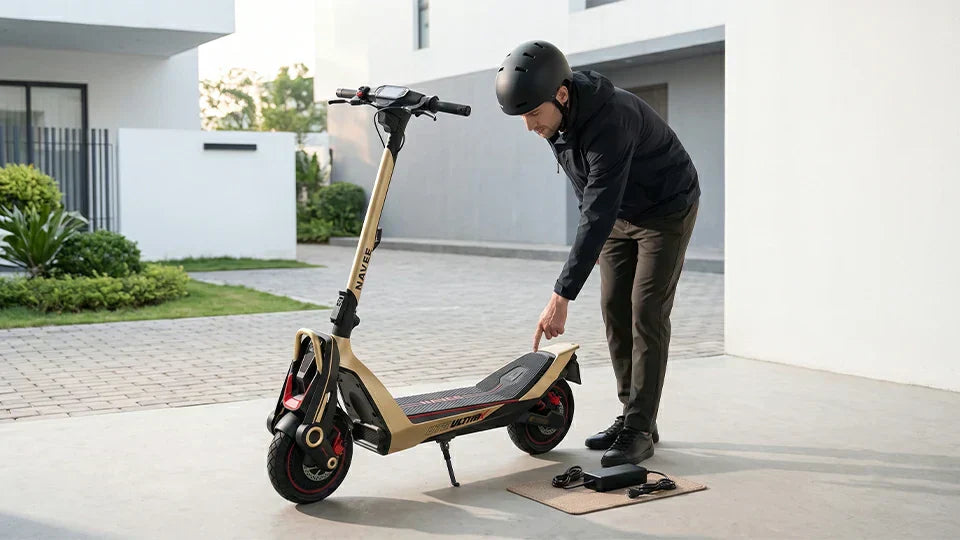
Las baterías de los patinetes eléctricos pueden utilizarse de forma segura cuando el sistema eléctrico completo está correctamente diseñado, evaluado de forma independiente, cargado con equipos compatibles y mantenido según las instrucciones del fabricante.
El 24 de junio de 2026, la Comisión de Seguridad de Productos de Consumo de EE. UU. publicó una propuesta de norma federal de seguridad para baterías y sistemas eléctricos de micromovilidad. Si se aprueba definitivamente, la propuesta exigiría que los patinetes eléctricos incluidos cumplieran los requisitos aplicables basados en ANSI/CAN/UL 2272, junto con varias disposiciones adicionales.
Sin embargo, la norma aún no es definitiva. Los comentarios públicos permanecen abiertos hasta el 24 de agosto de 2026, y los requisitos técnicos o el cronograma de cumplimiento podrían cambiar antes de que se emita una norma definitiva.
Antes de comparar la velocidad, la autonomía o la potencia del motor de los patinetes eléctricos para adultos, debe verificar el estado de certificación del modelo exacto, las características de protección de la batería, la compatibilidad del cargador, la disponibilidad de piezas de repuesto y la documentación de seguridad.

¿Qué significa la propuesta de norma de la CPSC de 2026?
La propuesta establecería una norma federal de seguridad para las baterías de iones de litio y los sistemas eléctricos utilizados en productos como patinetes eléctricos, bicicletas eléctricas, paquetes de baterías reemplazables por el usuario, cargadores de posventa y ciertos equipos de conversión.
Para los dispositivos personales de movilidad eléctrica, la propuesta hace referencia en gran medida a ANSI/CAN/UL 2272-24, con modificaciones destinadas a abordar riesgos que podrían no ser obvios en una descripción de producto típica. Estos incluyen cargar una batería cuando aún está demasiado caliente después de su uso, conectar un cargador incompatible, abrir o reconstruir un paquete de baterías y reemplazar componentes eléctricos con piezas que no fueron evaluadas con el sistema original.
Esta distinción es importante: la CPSC publicó un Aviso de Propuesta de Normas, no un mandato nacional que ya esté en vigor. Las marcas no deben describir sus productos como si cumplieran con una «norma de la CPSC de 2026» definitiva a menos que se emita una norma definitiva y se pueda documentar el cumplimiento del producto exacto.
Aun así, la propuesta le ofrece un marco útil. En lugar de juzgar un patinete únicamente por la capacidad de la batería o la autonomía anunciada, debe preguntar si la batería, el cargador, el Sistema de Gestión de Baterías, el cableado, la carcasa y los controles han sido evaluados juntos como un sistema eléctrico completo.
¿Qué debe saber sobre UL 2272?
UL 2272 es una norma de seguridad para los sistemas eléctricos de los dispositivos personales de movilidad eléctrica, incluidos los patinetes eléctricos. Evalúa las combinaciones de sistemas de tracción eléctrica, sistemas de baterías y cargadores para abordar riesgos como incendios, descargas eléctricas y fallos de componentes.
Esto es importante porque un patinete puede utilizar celdas de un proveedor reconocido sin que el patinete terminado haya sido certificado de forma independiente. Las celdas de la batería, el paquete de baterías ensamblado, el cargador, el cableado, el controlador, los circuitos de protección y el software deben funcionar juntos correctamente.
«Probado según UL 2272» no significa automáticamente que esté certificado
Las descripciones de productos a veces utilizan frases como:
- Probado según las normas UL
- Diseñado para cumplir los requisitos de UL
- Fabricado con celdas certificadas
- Utiliza componentes compatibles con UL
Estas afirmaciones no son necesariamente equivalentes a la certificación del patinete terminado exacto.
UL explica que probar un producto según requisitos seleccionados no es lo mismo que una certificación completa. La certificación implica evaluar los materiales del producto aplicables, la electrónica, los componentes, la construcción, las marcas y los requisitos de seguridad.
Antes de comprar, verifique:
- El nombre del fabricante.
- El número de modelo exacto.
- La organización de certificación.
- La marca de certificación y el número de expediente.
- Si la certificación cubre el sistema eléctrico completo del patinete.
Utilice la base de datos oficial de la organización de certificación cuando sea posible. Asegúrese de que la certificación se aplique al patinete exacto, no solo a una celda de batería individual, un cargador o un modelo similar.
Un logotipo de certificación debe ser el comienzo de su proceso de verificación, no el final.
Tres riesgos de las baterías que aborda la propuesta
La propuesta se centra en varias situaciones reales que pueden aumentar el riesgo de las baterías y la carga.
1. Cargar inmediatamente después de un trayecto exigente
Las cuestas largas, las cargas pesadas, la aceleración repetida, las altas velocidades y el clima cálido pueden elevar la temperatura de la batería. Conectar el cargador inmediatamente después de un trayecto exigente puede ejercer una presión adicional sobre las celdas que aún no han vuelto a una temperatura de carga adecuada.
La propuesta incluye requisitos de carga posteriores a la descarga diseñados para evaluar si el Sistema de Gestión de Baterías evita la carga cuando la temperatura de las celdas supera el límite especificado por el fabricante.
Para los usuarios, la conclusión práctica es sencilla: siga el manual del producto y deje que el patinete se enfríe después de un trayecto inusualmente exigente antes de cargarlo.
2. Utilizar un cargador de repuesto incompatible
Un cargador no es compatible simplemente porque su conector encaje en el puerto de carga. El voltaje, la corriente, la polaridad, el cableado del conector y la lógica de comunicación pueden afectar a si funciona de forma segura con un patinete en particular.
La propuesta incluye requisitos de polaridad inversa y relacionados con el cargador destinados a reducir los daños causados por equipos de carga mal configurados o incompatibles.
Antes de comprar un cargador de repuesto, utilice nuestra guía de seguridad de cargadores de patinetes eléctricos para comprobar la compatibilidad de voltaje, corriente, conector y modelo. Utilice únicamente el equipo suministrado o específicamente recomendado para el patinete exacto.
3. Abrir, reconstruir o modificar la batería
Los paquetes de baterías pueden dañarse por colisiones, impactos contra bordillos, entrada de agua, reemplazo no autorizado de celdas y reconstrucción por parte de aficionados.
Abrir un paquete puede alterar el aislamiento, el espaciado de las celdas, los circuitos de protección y las conexiones selladas. La propuesta incluye disposiciones de carcasa resistentes a la manipulación destinadas a desalentar el acceso inseguro a las celdas de la batería y al cableado interno.
Si una batería está hinchada, agrietada, inusualmente caliente, goteando, emitiendo un olor desconocido o haciendo sonidos de siseo o chasquidos, deje de usarla. Nuestra guía sobre señales de advertencia de incendio de baterías de patinetes eléctricos explica cómo reconocer las señales de advertencia comunes y qué hacer a continuación.
| Área de seguridad | Qué debe buscar | Por qué es importante |
|---|---|---|
| Protección de temperatura | Monitoreo del BMS e instrucciones claras de enfriamiento | Ayuda a evitar la carga fuera del rango de temperatura aprobado de la batería |
| Compatibilidad del cargador | Información específica del modelo sobre voltaje, corriente, polaridad y conector | Reduce el riesgo de daños por cargadores incompatibles |
| Carcasa de la batería | Construcción rígida, fijaciones seguras y protección contra el acceso casual | Ayuda a proteger las celdas de impactos, la humedad y las modificaciones inseguras |
Comprobación de seguridad de patinetes eléctricos en cinco pasos antes de la compra
Paso 1: Verifique el modelo exacto
Busque una etiqueta permanente del producto y documentación de respaldo que muestre el fabricante, el número de modelo, la organización de certificación, la marca de certificación y el número de identificación.
Confirme esos detalles a través de la base de datos oficial del certificador cuando sea posible. No asuma que la certificación de un modelo se aplica automáticamente a todos los patinetes de la misma serie o a todas las versiones regionales.
Paso 2: Revise el Sistema de Gestión de Baterías
Un Sistema de Gestión de Baterías, o BMS, monitorea las condiciones críticas de la batería y puede limitar o desconectar el flujo eléctrico cuando se superan los límites de funcionamiento.
Busque información clara sobre:
- Protección contra sobrecarga
- Protección contra descarga excesiva
- Protección contra sobrecorriente
- Protección contra cortocircuitos
- Monitoreo de temperatura
Evite depender únicamente de descripciones vagas como «protección inteligente de la batería». La página de especificaciones oficiales o el manual del producto debe explicar qué monitorea el sistema y cómo los propietarios deben cargar y almacenar el patinete.
Paso 3: Verifique la carcasa y el puerto de carga
La batería generalmente se encuentra dentro o debajo de la plataforma para los pies. Verifique si la carcasa parece rígida, estar firmemente sujeta y protegida contra impactos normales de la carretera.
Inspeccione el área del puerto de carga en busca de cubiertas sueltas, carcasas agrietadas, cableado expuesto, corrosión o signos de entrada de agua.
Una clasificación IP puede proporcionar información útil sobre las pruebas de resistencia al agua, pero no hace que un patinete sea seguro para la inmersión, inundaciones, aguas profundas o lavado a presión.
Paso 4: Confirme el cargador y el soporte de piezas de repuesto
Un fabricante confiable debe proporcionar información del cargador específica del modelo y una forma confiable de obtener piezas compatibles.
Antes de comprar, confirme que puede acceder a:
- Un cargador de repuesto aprobado por el fabricante
- Manuales del producto
- Atención al cliente
- Guía de mantenimiento específica del modelo
- Componentes de repuesto compatibles
Los propietarios de NAVEE pueden explorar piezas de repuesto oficiales para patinetes eléctricos, pero la compatibilidad aún debe confirmarse en la página del producto individual o con atención al cliente antes de realizar el pedido.
Paso 5: Lea la política de garantía y soporte
Verifique cuánto tiempo están cubiertos el marco principal, la batería, el cargador, el controlador y otros componentes. Revise las exclusiones relacionadas con daños por agua, colisiones, modificaciones no autorizadas, carga inadecuada y compras realizadas a través de vendedores no autorizados.
Debe revisar nuestra política de garantía actual antes de la compra porque los períodos y las condiciones de cobertura varían según el componente.
Cómo se aplica esto al comparar patinetes NAVEE
La seguridad de la batería debe considerarse junto con la autonomía, el frenado, la suspensión, la capacidad de carga, la resistencia al agua y el soporte del producto a largo plazo.
Los usuarios que buscan neumáticos más grandes, mayor autonomía y capacidad para superficies mixtas pueden comenzar con la Serie UT de NAVEE.
Dentro de esa categoría, se incluyen el NAVEE UT5 Max y el NAVEE UT5 Ultra X para quienes comparan la capacidad de autonomía prolongada, la suspensión hidráulica, los neumáticos grandes sin cámara y una conducción de mayor rendimiento.
Esto no significa que los compradores deban asumir que todos los productos de una colección tienen certificaciones o especificaciones eléctricas idénticas. Revise siempre la documentación del modelo exacto y la versión regional que tiene la intención de comprar.
El objetivo no es elegir un patinete basándose en una sola insignia de seguridad. Es combinar la verificación a nivel de modelo con factores prácticos como la comodidad de conducción, el frenado, las piezas oficiales, la cobertura de la garantía y el soporte del fabricante.
Preguntas frecuentes sobre la seguridad de las baterías de patinetes eléctricos
1. ¿Es seguro cargar las baterías de los patinetes eléctricos durante la noche?
No se recomienda cargar mientras duerme.
La CPSC aconseja a los consumidores permanecer presentes mientras cargan productos de micromovilidad, utilizar únicamente el cargador suministrado con el producto o recomendado por el fabricante y evitar cargar los dispositivos en lugares que bloqueen las salidas.
Cargue el patinete en un lugar seco y abierto, lejos de materiales inflamables. Siga el manual del producto y desconecte el cargador cuando la carga esté completa.
2. ¿Es suficiente un logotipo de UL en una página de producto?
No. Un logotipo o una afirmación de marketing no confirma por sí solo que el modelo exacto del patinete haya sido certificado.
Verifique el número de modelo, la marca de certificación, la organización de certificación y la información de la publicación. Confirme que la certificación se aplique al sistema eléctrico completo bajo UL 2272 en lugar de solo a un componente individual.
3. ¿Puede un propietario o una oficina prohibir un patinete eléctrico certificado?
Sí.
La certificación puede ayudar a demostrar que un producto ha sido sometido a una evaluación de seguridad reconocida, pero no anula las políticas de los propietarios, empleadores, administradores de edificios, operadores de transporte, aseguradoras o autoridades locales.
Verifique las normas aplicables antes de comprar, almacenar o cargar un patinete en interiores.
4. ¿Qué debo hacer si mi batería parece dañada?
Deje de cargar y usar el patinete. No abra, perfore, reconstruya ni intente reparar la batería usted mismo.
Aléjese del dispositivo si está echando humo, siseando, calentándose rápidamente u mostrando otros signos de un fallo activo. Contacte a los servicios de emergencia cuando sea necesario.
Para daños que no sean de emergencia, contacte al fabricante para obtener orientación sobre inspección, reemplazo y eliminación.

Haga de la seguridad de la batería parte de la decisión de compra
La propuesta de 2026 de la CPSC no debe disuadirlo de elegir la movilidad eléctrica. En cambio, proporciona un marco más claro para evaluar los sistemas de baterías, la compatibilidad del cargador, la certificación del producto y el soporte del fabricante.
Antes de comprar, verifique el modelo exacto, revise la información del BMS, inspeccione el diseño de la carcasa, confirme el acceso a piezas compatibles y lea los términos de la garantía.
Luego compare las características de rendimiento que afectan la conducción diaria, incluyendo:
- Autonomía
- Potencia del motor
- Suspensión
- Neumáticos
- Frenado
- Capacidad de carga
- Portabilidad
La seguridad de la batería y el rendimiento de conducción no deben ser prioridades en competencia. Un mejor patinete eléctrico combina una protección documentada del sistema eléctrico con un manejo cómodo, un frenado confiable, una autonomía práctica y soporte a largo plazo.
Comparar patinetes eléctricos NAVEE para adultos
Explore los modelos NAVEE por autonomía, velocidad, suspensión, capacidad de terreno y necesidades de conducción diaria.
Compartir:
Cómo elegir una moto eléctrica de cross para niños: Lista de verificación de edad, tamaño, velocidad y seguridad
Por qué los golfistas se están pasando a los carros eléctricos de empuje en 2026: Los datos detrás de la tendencia del golf a pie