


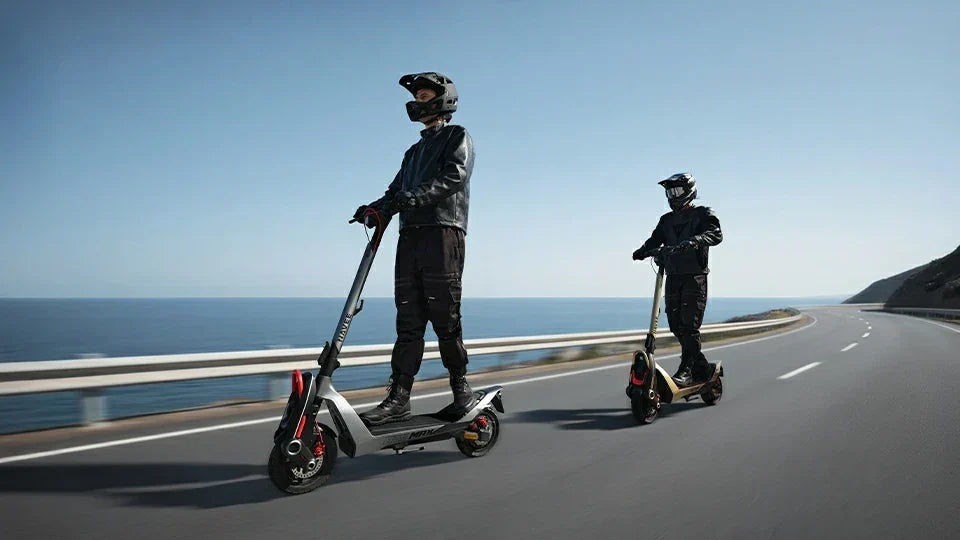
A scooter that feels right on city streets can feel very different once the weekend route adds broken pavement, loose maintained paths, or a longer ride home. The best NAVEE choice is not automatically the biggest model, and it is not automatically the lightest. Start with the part of your week that would make the wrong choice frustrating: repeated roughness, a long return trip, frequent lifting, limited storage, or simply needing dependable comfort on ordinary streets.
Let the weekday routine set the baseline
Most riders live with their weekday route more often than their ideal weekend outing. Note how far you travel before charging, whether the scooter goes up stairs or into a trunk, the roughest pavement you meet regularly, and whether the ride includes long descents or heavy stop-and-go traffic. Those details decide whether a feature is useful or just extra equipment.
Carrying matters when it happens often. It is less decisive when the scooter rolls from home to secure storage without being lifted. In that case, ride comfort, tire support, braking, and range reserve can be more important than shaving pounds. A good choice needs to work before riding, during the route, and when you park or charge at the end.

Decide whether the weekend route really changes the scooter you need
There is a meaningful difference between an occasional rough detour and a regular longer ride over imperfect surfaces. If rough pavement shows up every week, the repeated impacts can make suspension and tire setup central to comfort. If the weekend ride is longer, battery margin matters too. Read every range figure beside its test speed: faster riding, hills, load, weather, and surface can reduce the distance available on your actual route.
Do not treat every “trail” as the same kind of riding. Rough city pavement and maintained mixed surfaces may call for different equipment from genuinely off-road terrain. Confirm that the route is allowed and that the exact model is appropriate for the surface before making it part of your plan.
When UT5 Max earns a place on the shortlist
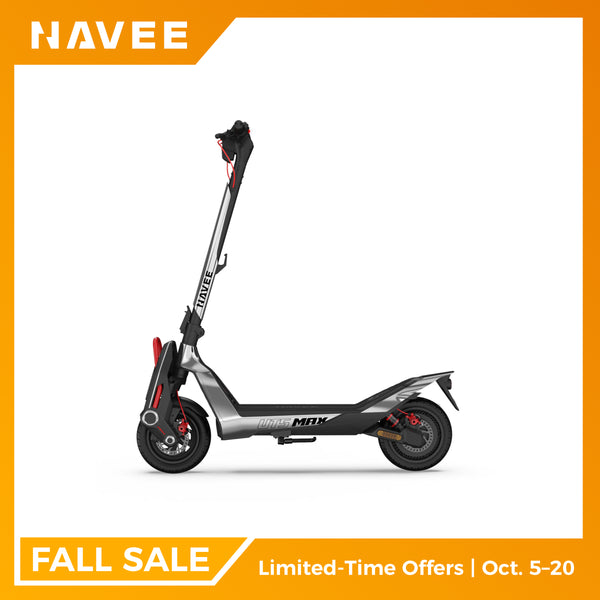
UT5 Max becomes relevant when the rougher, longer route is a regular part of your riding and the scooter does not need to be carried through the day. In that situation, the rider is trying to reduce repeated harshness, keep control on changing surfaces, and plan a longer outing with useful range margin. Dual hydraulic suspension can soften the sharpness of recurring rough pavement. Its 12-inch self-healing tubeless tires can make pavement breaks and small obstacles feel less abrupt. Front and rear disc brakes with EABS are worth considering when the route includes variable surfaces or longer descents.
The same route must justify the ownership commitment. UT5 Max weighs 75.0 lb, so it is not a casual stairs-or-transit choice. Its stated range is 62.1 miles at 9.3 mph or 40.4 miles at 15.5 mph; those conditions help with route planning, but they are not a promise of the distance every rider will see. For an experienced adult who rides rougher permitted roads regularly and can store the scooter without routine lifting, that combination addresses a real set of problems rather than adding capability for its own sake.
When a city-focused choice makes more sense
If the weekday ride is short, the scooter must be carried or stored in a tight space, and rough weekend use is occasional, start with city electric scooters. The goal is not to find the weakest option; it is to avoid letting a rare route outweigh the tasks you repeat every day.
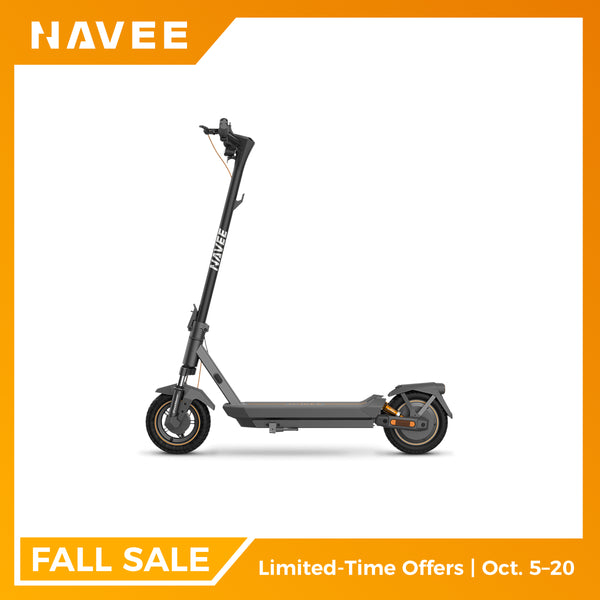
GT3 illustrates the type of comparison to make for this city-first routine. It is listed at 46.3 lb, has 10-inch tubeless tires, and uses a front fork with a rear damping cylinder. That setup can help soften ordinary pavement imperfections while keeping the focus on city use rather than claiming all-road capability. Its range figures are 31 miles at 9 mph and 19 miles at 20 mph, so the faster test condition is often the more useful starting point for a short-to-medium urban route. At 46.3 lb, it still deserves a real lift test; “city-focused” does not mean effortless to carry.
Match the component to the problem, not the marketing label
Suspension matters most when repeated uneven pavement makes the ride tiring. Tire size and construction matter when rougher surfaces are a routine source of jolts or uncertainty. Brakes matter when the route includes descents, lower-traction sections, or frequent stops. Range matters when the full outing risks leaving too little buffer for the return. None of those details should decide the purchase alone.
For a longer or hillier route, plan range conservatively using the electric scooter range guide. For routes where surface changes and descents make stopping feel more demanding, use the electric scooter brakes guide to check the relevant brake and maintenance questions before you ride.
Use this final filter before choosing
- Count the rough rides. If they are regular, prioritize equipment that changes comfort and control; if they are rare, do not let them dominate the decision.
- Plan the full return distance. Compare range at the stated test speed and keep margin for the conditions you expect.
- Test the ownership routine. Lift the comparable weight, check the storage space, and consider when and where you will charge.
- Keep the route honest. Confirm surface suitability, local access, tire condition, and braking before treating a weekend route as part of normal riding.

FAQs about NAVEE scooters for city roads and weekend trails
Do I need an all-road scooter for one rough weekend ride?
Usually not. A one-off or occasional route should not outweigh daily lifting, storage, distance, and comfort needs. An all-road setup becomes more relevant when rougher permitted surfaces and longer rides return often enough that suspension, tire support, braking, and route margin solve a repeated problem.
Is UT5 Max only about speed or motor power?
No. In this comparison, its relevant features are the dual hydraulic suspension, 12-inch tires, disc brakes, and conditioned range because they address recurring roughness, control, and longer-route planning. It is not a default recommendation for city riders who need to carry a scooter frequently.
What should I do if I am between the two directions?
Use your normal month, not your most ambitious weekend, as the evidence. If rougher routes become regular, revisit an all-road comparison. If city riding remains the main pattern, compare the exact weight, range conditions, suspension, and storage fit across NAVEE electric scooters.
When rougher roads and longer weekend rides are a regular part of your routine, compare NAVEE all-road electric scooters to find the setup that best matches your surfaces and storage.
Compartir:
What Is a Moped-Style Electric Bike? A Complete Guide Before You Buy
How to Choose a High-Performance Electric Scooter?