


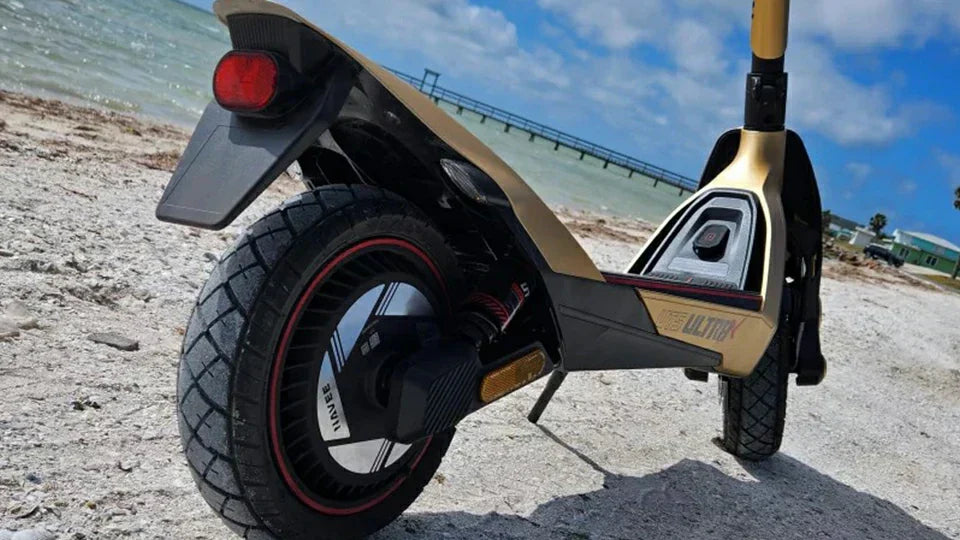
No, los cargadores universales verdaderos compatibles con la mayoría de los patinetes eléctricos no existen de forma segura. Los Patinetes eléctricos requieren una coincidencia exacta de voltaje, una salida de amperaje específica y configuraciones precisas de los pines del conector para funcionar sin causar riesgos de seguridad ni daños en la batería. Aunque se venden en línea «adaptadores universales multipunta» de terceros, carecen de las funciones de comunicación de datos requeridas por el Sistema de Gestión de Baterías (BMS) integrado del patinete. Para proteger su vehículo y conservar la garantía, siempre debe utilizar cargadores del fabricante original del equipo (OEM) o accesorios autorizados por la marca. A menos que se encuentre en una emergencia absoluta, no utilice fuentes de alimentación alternativas. Si se ve atrapado en una situación urgente, debe evaluar una alternativa temporal utilizando estrictos parámetros de prueba eléctrica.
Los estándares de la industria y los riesgos de los cargadores de patinetes eléctricos
¿Por qué los cargadores de patinetes eléctricos no están estandarizados?
A diferencia de los teléfonos inteligentes y portátiles, que se han estandarizado en torno a la tecnología USB-C, la industria de los patinetes eléctricos utiliza arquitecturas de batería variadas y específicas de cada modelo. Cuando conecta una fuente de alimentación a un patinete eléctrico, está suministrando corriente a una disposición específica de celdas de iones de litio diseñada para ese modelo de vehículo en particular.
Debido a que las distintas marcas de patinetes diseñan sus modelos en torno a límites específicos de voltaje y capacidad, no existe una estandarización entre marcas para las entradas de alimentación. Factores como la disposición de las celdas, las configuraciones en serie y paralelo y los umbrales máximos de carga varían de un modelo a otro. Suponer que un cargador genérico es seguro de usar simplemente porque su enchufe encaja mecánicamente en su puerto de carga puede provocar cortocircuitos eléctricos internos o fallos de la batería.
¿Qué riesgos presentan los cargadores multipunta de terceros?
Los mercados en línea venden kits de carga genéricos que combinan un solo bloque transformador con un conjunto de puntas intercambiables diseñadas para adaptarse a varias formas de puerto. Aunque estas opciones son económicas, presentan riesgos técnicos para el funcionamiento a largo plazo de su vehículo.
El principal problema de las unidades de carga sin marca es la mala regulación del voltaje, lo que provoca fluctuaciones de voltaje. En lugar de proporcionar un flujo estable de corriente continua, un transformador de menor calidad puede entregar ondas de energía erráticas. Esta inestabilidad eléctrica degrada los condensadores dentro del controlador de velocidad de su patinete y puede causar un ligero parpadeo en el panel de instrumentos LED. Con el tiempo, la corriente inestable acorta la vida útil general de la batería de su patinete y disminuye su autonomía máxima.
Nota de seguridad para el usuario: Proteger su vehículo de movilidad personal requiere hardware certificado. Antes de arriesgar su paquete de baterías con una opción de mercado sin marca, busque soluciones de alimentación autorizadas diseñadas para su plataforma de vehículo.
➔ Explore los accesorios de carga originales de Navee

¿Por qué debe evitar sustituir el cargador de fábrica?
¿Cómo interactúan los cargadores de fábrica con el Sistema de Gestión de Baterías?
El paquete de baterías de un patinete eléctrico depende de una placa de circuito integrado conocida como Sistema de Gestión de Baterías (BMS). El BMS actúa como el cerebro de la batería, equilibrando las celdas, monitoreando la descarga de voltaje y rastreando las temperaturas internas para evitar la sobrecarga. Los cargadores de fábrica están diseñados para comunicarse directamente con este sistema interno.
Cuando reemplaza un bloque de alimentación original con una alternativa universal no aprobada, elimina este bucle de comunicación de seguridad. Los cargadores genéricos no pueden interpretar la retroalimentación de datos del BMS. Seguirán forzando la corriente en el paquete de baterías incluso si las celdas individuales se están sobrecalentando o luchando con una alta resistencia eléctrica. Además, utilizar un cargador de terceros anula la protección de la garantía de fábrica de su paquete de baterías, dejándolo responsable de los costos posteriores de reemplazo de componentes.
¿Cómo integra Navee las funciones de seguridad de carga?
La seguridad del sistema y la longevidad de la ingeniería están integradas en los vehículos eléctricos personales de Navee. La línea de vehículos —que abarca desde modelos urbanos como el Navee ST3 series, hasta los modelos insignia de largo alcance con doble motor como el Navee UT5 Ultra X—utiliza sistemas de protección multipunto. Estos modelos aplican protocolos de protección estrictos para manejar automáticamente los umbrales de sobrecorriente, cortocircuito y corte térmico.
- Pin 1: Entrada de alimentación positiva (+)
- Pin 2: Entrada de alimentación negativa (-)
- Pin 3: Línea de comunicación de datos inteligente del BMS
Por ejemplo, nuestros modelos todoterreno y fuera de carretera, incluyendo el Navee XT5 Pro, cuentan con puertos de carga con una línea de comunicación de datos dedicada. Este tercer pin ejecuta una verificación de seguridad con el cargador de fábrica antes de permitir que la electricidad pase a la plataforma. Si intenta conectar un cargador genérico no aprobado de dos cables, el firmware del patinete rechazará la entrada de energía, dejando al cargador de terceros sin funcionamiento como precaución de seguridad.
¿Qué reglas determinan la compatibilidad de los cargadores de patinetes eléctricos?
La diferencia entre el voltaje nominal y el voltaje de carga
Un error común al buscar piezas de repuesto es confundir el voltaje nominal de la batería con el voltaje máximo de carga.
Cada batería de micromovilidad lleva una clasificación de voltaje «nominal», que es el voltaje operativo promedio del paquete de baterías durante el uso. Sin embargo, para recargar completamente ese paquete de baterías al 100% de estado de carga, el cargador debe entregar un voltaje máximo más alto para superar la resistencia interna natural de las celdas. Si compra un cargador universal de posventa que solo coincide con su voltaje nominal, su batería no aceptará la carga. Comprender estas métricas precisas es esencial para la compatibilidad de los cargadores de patinetes eléctricos.
¿Cómo afecta el amperaje a la seguridad y velocidad de carga?
Aunque el voltaje determina si la electricidad puede entrar de forma segura al paquete, el amperaje (A) controla la velocidad a la que fluye esa energía. Algunos usuarios buscan fuentes de alimentación de alto amperaje para acelerar sus ciclos de carga, pero forzar demasiada corriente rápida en celdas estándar causa una degradación severa de la batería.
Para mantener hábitos de carga seguros, debe comprender la Regla del Límite de Carga de 0.5C. Esta guía técnica dicta que su corriente de carga entrante no debe exceder la mitad de la capacidad total de amperios-hora (Ah) de su paquete de baterías.
- La fórmula de carga segura: Amperaje máximo seguro = Capacidad de la batería (Ah) x 0.5
Por ejemplo, si conduce un modelo urbano como el Navee GT3 Pro con una configuración de batería de 10.4Ah, su umbral máximo de carga segura es 5.2A. Introducir un cargador rápido de posventa no verificado y no aprobado de 6A o 8A crea una intensa resistencia interna en las celdas, generando un calor excesivo que acorta la vida útil general de su batería.
➔ Lectura recomendada: Comprender los parámetros del cargador es solo la mitad de la batalla. Para aprender la secuencia correcta de conexión y los hábitos de mantenimiento diario de la batería que prolongan la vida útil de su vehículo, lea nuestra guía completa sobre cómo cargar un patinete eléctrico.
| Categoría de modelo de patinete | Voltaje nominal de la batería | Voltaje de salida requerido del cargador | Ejemplo de aplicación real |
|---|---|---|---|
| Modelos urbanos | 36V nominal | 42V de salida máxima | Navee ST3 / V40 series |
| Modelos urbanos de alto rendimiento | 48V nominal | 54.6V de salida máxima | Navee ST3 Pro / GT3 Max |
| Modelos insignia todoterreno | 60V nominal | 67.2V de salida máxima | Navee UT5 Ultra X / UT5 Max |
Carga de emergencia: Cómo emparejar un cargador alternativo de forma segura
Bajo condiciones estándar de operación, debe evitar usar cualquier cosa que no sea el cargador de fábrica original que venía con su vehículo o un cargador de repuesto secundario oficial comprado directamente del fabricante.
Sin embargo, si se encuentra atrapado en una emergencia absoluta —varado lejos de casa con una batería muerta y cero acceso a su equipo de fábrica— debe evaluar cuidadosamente las fuentes de alimentación alternativas para minimizar los riesgos de seguridad. Siga este proceso de verificación antes de conectar cualquier fuente de alimentación alternativa temporal a su patinete.
Pasos para verificar un cargador temporal antes de usarlo
-
Paso 1: Verifique la placa de especificaciones debajo de la plataforma del patinete
Voltee su vehículo o consulte su manual de usuario para localizar la placa de especificaciones del producto. Anote el voltaje nominal exacto (V) y los parámetros de entrada requeridos. No adivine estos valores basándose en el tamaño físico del marco del patinete.
-
Paso 2: Confirme la salida máxima objetivo en el cargador de respaldo
Examine la etiqueta técnica en el bloque de alimentación de respaldo. Asegúrese de que el voltaje de salida coincida exactamente con su umbral de carga máximo requerido, tal como se detalla en la tabla de compatibilidad anterior (por ejemplo, un sistema nominal de 48V requiere un cargador que entregue exactamente 54.6V).
-
Paso 3: Verifique la polaridad de los pines mediante un multímetro digital
Incluso si el conector coincide físicamente con la disposición de su puerto de carga (como un jack de barril de CC estándar de 5.5mm o un conector GX16 de 3 pines), debe confirmar manualmente los terminales positivo y negativo. Gire el dial de su multímetro digital a la configuración de Voltaje de CC. Coloque la sonda roja positiva dentro del contacto terminal interno del enchufe, y toque la sonda negra negativa con la cubierta metálica de tierra exterior. La pantalla del multímetro debe mostrar un valor numérico positivo y estable. Si aparece un signo negativo (-) antes de la lectura de voltaje, la polaridad está invertida. Conectarlo provocará inmediatamente un cortocircuito en la electrónica de su patinete.
Un protocolo de 15 minutos para monitorear su patinete mientras carga
Si el hardware de respaldo temporal pasa con éxito su lista de verificación eléctrica, conecte primero el bloque del cargador a la toma de pared, y luego deslice el conector en el puerto de su patinete. Permanezca físicamente presente junto al vehículo y ejecute este estricto horario de observación de seguridad:
- Minuto 1 (La verificación de conexión): Observe de cerca el panel de instrumentos del patinete y escuche el bloque transformador. Si nota chispas inesperadas, escucha fuertes ruidos de estallido, o detecta un olor inmediato a ozono o plástico quemado, desconecte la fuente de alimentación inmediatamente.
- Minuto 5 (La verificación térmica del cargador): Coloque el dorso de su mano contra la carcasa de plástico del bloque de carga temporal. Debería sentirse cálido mientras transfiere energía, pero debería poder sostener su mano contra él cómodamente. Si se siente hirviendo al tacto, está sobrecargado y debe desenchufarse.
- Minuto 15 (La verificación térmica de la plataforma de la batería): Sienta ligeramente la parte inferior del marco de plataforma de aluminio de su patinete donde residen las celdas de iones de litio. El marco metálico debe permanecer completamente frío. Cualquier calor perceptible que se transfiera al marco exterior de la plataforma dentro de los primeros 15 minutos indica una falta de coincidencia de impedancia interna, lo que significa que debe detener el ciclo de inmediato para garantizar la seguridad de la batería de micromovilidad.

¿Cómo puede gestionar la carga de varios patinetes eléctricos?
¿Por qué usar dos cargadores de fábrica elimina la ansiedad de autonomía para el usuario urbano?
La forma más efectiva de eliminar la ansiedad de autonomía mientras se mantienen altos estándares de seguridad es invertir en un sistema de doble cargador utilizando componentes de fábrica autorizados.
En lugar de empacar constantemente su único bloque de alimentación de ida y vuelta en su mochila todos los días —donde se expone rutinariamente a caídas, humedad y tensión de cables— deje su cargador original permanentemente instalado en su área de carga en casa. Compre un cargador de repuesto secundario oficial para dejarlo permanentemente en su escritorio del lugar de trabajo o almacenarlo de forma segura dentro de una bolsa de almacenamiento de manillar de carcasa dura. Esto asegura que ya sea navegando un trayecto diario al trabajo o explorando un sendero de fin de semana en un modelo todoterreno, siempre tenga acceso inmediato a energía limpia y certificada sin depender de soluciones universales riesgosas.
Pasos para configurar una rutina de corte automático con un enchufe inteligente
Para maximizar la vida útil general de sus celdas de iones de litio y evitar el estrés de voltaje innecesario causado por dejar su patinete enchufado durante fines de semana largos o períodos extendidos durante la noche, puede crear un corte de seguridad automatizado utilizando accesorios estándar de hogar inteligente.
- Conectar el hardware: Conecte un enchufe inteligente compatible con su ecosistema de hogar inteligente (como Apple HomeKit, Google Home o Amazon Alexa) a su interfaz de pared.
- Determinar el tiempo de carga: Busque la duración de carga estándar de su vehículo desde vacío hasta lleno (por ejemplo, un modelo urbano estándar puede requerir aproximadamente 5 horas).
-
Escribir la regla de automatización: Conecte su cargador de fábrica oficial al enchufe inteligente y configure una rutina de automatización simple dentro de su aplicación inteligente:
- La configuración: CUANDO "Enchufe inteligente" se enciende -> ESPERAR 5 horas y 30 minutos -> APAGAR "Enchufe inteligente"
Esta configuración actúa como un corte de seguridad automatizado, asegurando que su vehículo se desconecte de la entrega activa de corriente una vez que alcance su capacidad máxima.
Preguntas frecuentes
1. ¿Cómo sé qué cargador necesita mi patinete eléctrico?
Para identificar los requisitos exactos de su vehículo, inspeccione la etiqueta de especificaciones técnicas estampada en la parte posterior de su bloque de alimentación de fábrica original o consulte su manual de usuario oficial. Busque específicamente la línea etiquetada como "Salida" (por ejemplo, Salida: 54.6V -> 2.0A o Salida: 42V -> 2.0A). Esto le da el voltaje máximo preciso y el amperaje objetivo necesarios para recargar de forma segura su paquete de baterías.
2. ¿Qué sucede si uso un cargador con un voltaje más alto en mi patinete eléctrico?
Usar un cargador con un voltaje de salida más alto de lo que su patinete está diseñado para recibir es peligroso. Forzar una presión eléctrica excesiva en celdas de iones de litio de menor voltaje causa una acumulación rápida de calor interno, hinchazón estructural de las celdas y cortocircuitos localizados. Esto omite completamente los límites de seguridad integrados de la batería y aumenta el riesgo de un evento peligroso de fuga térmica.
3. ¿Los cargadores de patinetes eléctricos son intercambiables?
Los cargadores de patinete eléctrico solo son intercambiables si son producidos por el mismo fabricante, utilizan exactamente el mismo estilo de puerto, comparten la misma plataforma de voltaje objetivo y están explícitamente aprobados para su uso en ambos modelos. Por ejemplo, si posee dos patinetes urbanos distintos dentro del mismo ecosistema de marca que operan en una plataforma compartida de 48V, pueden utilizar de forma segura el mismo cargador de fábrica. Nunca intercambie bloques de alimentación entre diferentes marcas sin confirmación oficial.
4. ¿Cómo puedo cargar de forma segura mi patinete eléctrico en el trabajo?
Para cargar de forma segura su vehículo en su lugar de trabajo, cíñase al equipo autorizado. Evite tomar prestados cables no verificados de otros dispositivos de micromovilidad o usar adaptadores baratos de mercado. Conecte su cargador de fábrica secundario oficial directamente a una toma de pared estable en lugar de un cable de extensión en cadena, asegúrese de que el área de carga esté libre de materiales combustibles, e inicie la carga solo en un ambiente con temperatura controlada entre 15°C y 25°C (59°F a 77°F).
Compartir:
Mejor carrito de golf eléctrico 2026: duración de la batería, características y prueba en campo
Cómo evitar que te roben un patinete eléctrico