


Evitar que te roben un patinete eléctrico requiere más que usar un candado básico. Necesitas el candado adecuado, una técnica de bloqueo correcta, un localizador o alarma, hábitos de estacionamiento más seguros y registros claros de propiedad. Esta guía explica cómo reducir el riesgo de robo y qué hacer si te roban el patinete.
¿Por qué los patinetes eléctricos son objetivos principales?
Los patinetes eléctricos tienen varias características que los hacen atractivos para los ladrones oportunistas. Su valor, portabilidad y los hábitos comunes de estacionamiento pueden hacer que sean más fáciles de robar y revender que muchos otros vehículos.
Son valiosos y fáciles de revender
Muchos patinetes eléctricos cuestan entre $400 y $2,000. Los modelos populares a menudo se pueden revender rápidamente a través de mercados en línea, anuncios clasificados locales o tiendas de segunda mano. Su alto valor de reventa ofrece a los ladrones un claro incentivo financiero.
Son lo suficientemente ligeros para llevárselos
A diferencia de las bicicletas o motocicletas, muchos patinetes urbanos son lo suficientemente ligeros como para que una persona los levante. Un ladrón puede colocar uno en un coche o llevárselo sin desbloquearlo ni conducirlo. Los modelos plegables pueden ser aún más fáciles de mover sin llamar la atención.
A menudo se dejan sin supervisión
Los usuarios suelen estacionar los patinetes fuera de oficinas, tiendas, cafeterías, estaciones de transporte y edificios de apartamentos. Incluso una parada breve puede crear una oportunidad cuando el patinete se deja sin supervisión en un área con poco tránsito de personas o poca cobertura de cámaras.
Algunos usuarios confían únicamente en los candados integrados
Algunos patinetes eléctricos incluyen bloqueos de motor, bloqueos mediante aplicación u otras funciones de seguridad inteligentes. Estas funciones pueden desactivar el motor o restringir el funcionamiento normal, pero no sujetan físicamente el patinete a su entorno. Por lo tanto, la seguridad integrada debe combinarse con un candado externo fijado a un objeto fijo.
Muchos usuarios usan candados débiles
Los candados básicos de cable a menudo se pueden cortar con herramientas manuales comunes. Algunos usuarios también sujetan el candado únicamente a una rueda o al mástil plegable en lugar de pasarlo por el marco principal. Un candado débil o un punto de bloqueo incorrecto puede facilitar la sustracción del patinete.
Cómo reducir el riesgo de robo de patinetes eléctricos
Ninguna medida de seguridad por sí sola puede prevenir por completo el robo de patinetes. El enfoque más eficaz es una combinación de múltiples capas de protección, que incluye el uso de candados resistentes, técnicas de bloqueo adecuadas, dispositivos de seguimiento, alarmas y hábitos de estacionamiento más seguros. Las siguientes medidas pueden mejorar la seguridad del patinete y ayudar a recuperar los vehículos robados.
Elige un candado físico resistente
Un candado físico resistente es tu primera y más importante línea de defensa porque sujeta el patinete a un objeto fijo. Estos son los tres tipos de candados que vale la pena considerar:
-
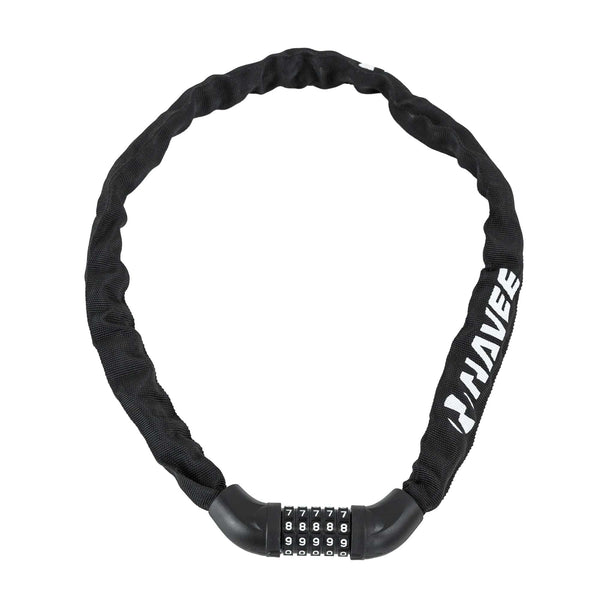
Candados en U — El estándar de oro. Busca una clasificación Sold Secure Gold o ART-2, que significa que el candado ha superado pruebas de ataque reales con cortacables y amoladoras angulares. Espera gastar entre $60 y $120.
-
Candados de cadena de alta resistencia candados de cadena — Las cadenas de acero endurecido (eslabones de 10 mm o más) envueltas en fundas de tela son excelentes para anclarse a soportes para bicicletas o postes. Son más pesadas, pero muy versátiles.
-
Candados plegables — Los candados tipo placa como el Abus Bordo Fold Compact son ideales para trayectos diarios y ofrecen una seguridad sólida. Un excelente equilibrio entre peso y portabilidad.
Como regla general, presupuesta alrededor del 10 % del valor de tu patinete para un candado de calidad. Por ejemplo, un patinete de $1,500 puede justificar un gasto de alrededor de $150 en seguridad. Dado que los candados físicos suelen venderse por separado, incluye este costo en la compra de tu patinete.
Bloquéalo de la manera correcta
Comienza activando el bloqueo de motor, el bloqueo mediante aplicación o el bloqueo inteligente integrado del patinete, si el modelo incluye uno. Esto puede restringir el uso normal, pero no debe sustituir a un candado físico.
A continuación, usa un candado en U, un candado de cadena o un candado plegable externo resistente. Pásalo por una parte sólida del marco principal en lugar de colocarlo únicamente alrededor de la rueda, el manillar o el mecanismo de plegado.
Sujeta el patinete a un objeto fijo, como un soporte de acero para bicicletas o un poste firmemente anclado al concreto. Evita señales extraíbles, cercas delgadas, árboles pequeños o cualquier cosa que pueda cortarse, levantarse o desatornillarse. Mantén el candado ajustado y fuera del suelo para reducir el espacio para herramientas y palanca.

Agrega un localizador GPS o AirTag
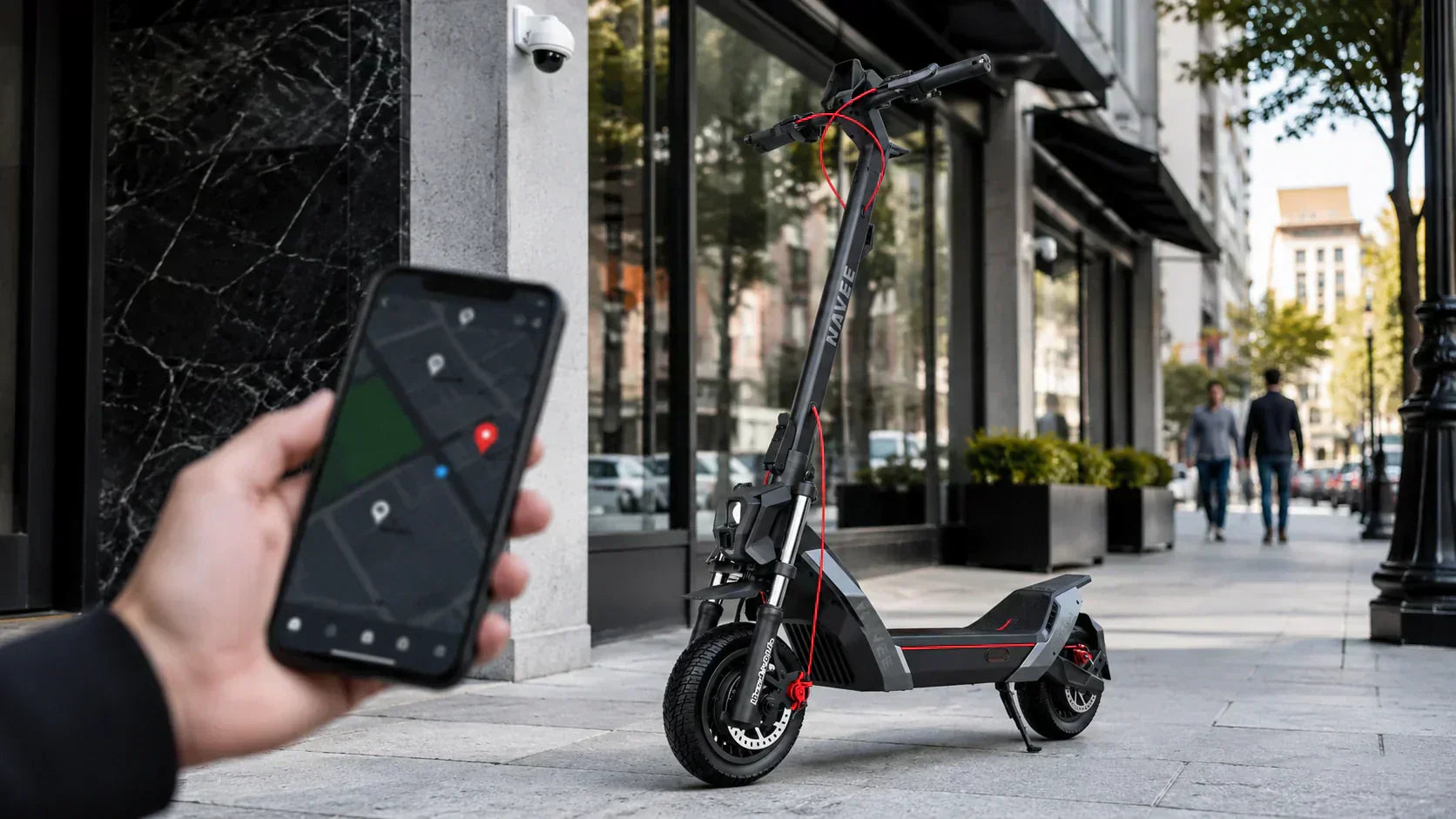
Un localizador oculto convierte un robo en una misión de recuperación. Los Apple AirTags son la opción más económica, con un costo de alrededor de $29, y se aprovechan de la enorme red Buscar de Apple, lo que los hace ideales para ciudades densas. Para usuarios de Android o para un alcance mayor, los localizadores GPS dedicados con conectividad celular (como Invoxia o LandAirSea) cuestan entre $40 y $150, más una pequeña tarifa mensual.
Si estás buscando un patinete nuevo, vale la pena elegir un modelo con seguimiento antirrobo integrado desde el primer día. Algunos patinetes eléctricos NAVEE vienen con integración nativa con Apple Buscar, como la serie NAVEE UT, lo que te permite localizar tu vehículo directamente a través de la aplicación Buscar, sin un localizador adicional ni tarifa mensual. Otros modelos de NAVEE incluyen un espacio dedicado y oculto para AirTag integrado en el marco, como la serie NAVEE V, para que puedas colocar un AirTag y mantenerlo oculto en un lugar que los ladrones no encontrarán fácilmente. De cualquier manera, el seguimiento se vuelve sencillo y resistente a manipulaciones desde el momento en que sales a rodar.
Instala una alarma
Una alarma con sensor de movimiento puede llamar la atención de manera fácil y eficaz cuando alguien mueve o altera tu patinete eléctrico sin tu consentimiento. Las alarmas inteligentes también pueden enviar alertas a tu teléfono, dándote más tiempo para reaccionar. Algunas marcas de alta gama vienen con alarmas integradas; por ejemplo, algunos modelos de patinetes eléctricos Navee están equipados con una función de alerta de movimiento inusual, que notifica al usuario a través de una aplicación complementaria cuando se detecta actividad inusual.
Hábitos de estacionamiento inteligentes
El lugar donde estacionas es tan importante como la forma en que lo bloqueas. Elige siempre áreas bien iluminadas y con mucho tránsito de personas dentro del campo de visión de las cámaras de seguridad cuando sea posible. En casa, guarda tu patinete en el interior: los pasillos de los apartamentos y los garajes compartidos son lugares comunes de robo. Nunca, bajo ninguna circunstancia, lo dejes en la calle durante la noche, incluso bloqueado. La mayoría de los robos que ocurren a pesar de haberlo hecho «todo bien» suceden cuando se deja el vehículo en la calle durante la noche.
Registra y documenta tu patinete
La mayoría de los patinetes robados nunca se recuperan porque los propietarios no pueden demostrar la propiedad. Soluciona esto hoy mismo:
-
Registra el número de serie / VIN (generalmente debajo de la plataforma o en el mástil) y guárdalo en tu teléfono y correo electrónico.
-
Toma fotos de tu patinete desde todos los ángulos, incluyendo cualquier rasguño o marca única.
-
Guarda tu recibo de compra en almacenamiento en la nube.

Si te roban el patinete
Actúa rápido. Presenta una denuncia policial en un plazo de 24 horas e incluye el número de serie; sin él, la policía no puede ingresar tu patinete en la base de datos nacional de propiedad robada. Luego revisa a diario durante las primeras dos semanas Facebook Marketplace, OfferUp, Craigslist y las casas de empeño locales (es cuando reaparecen la mayoría de los patinetes robados). Por último, notifica al fabricante — la mayoría de las grandes marcas de patinetes eléctricos pueden marcar el número de serie en su sistema y negarse a ofrecer garantía o servicio de soporte a quien lo traiga.
Reflexión final
Saber cómo evitar que te roben un patinete eléctrico se reduce a un principio: defensa en capas. Un candado en U de alta clasificación, un localizador GPS oculto, una alarma, un estacionamiento inteligente y una documentación adecuada hacen que tu patinete sea exponencialmente más difícil de robar — y mucho más fácil de recuperar si eso sucede.
Ningún producto es infalible, pero un ladrón que se enfrenta a cuatro obstáculos en lugar de uno casi siempre pasará a un objetivo más fácil. Explora NAVEE para accesorios, guías de seguridad y el equipo que mantiene tu vehículo tuyo.
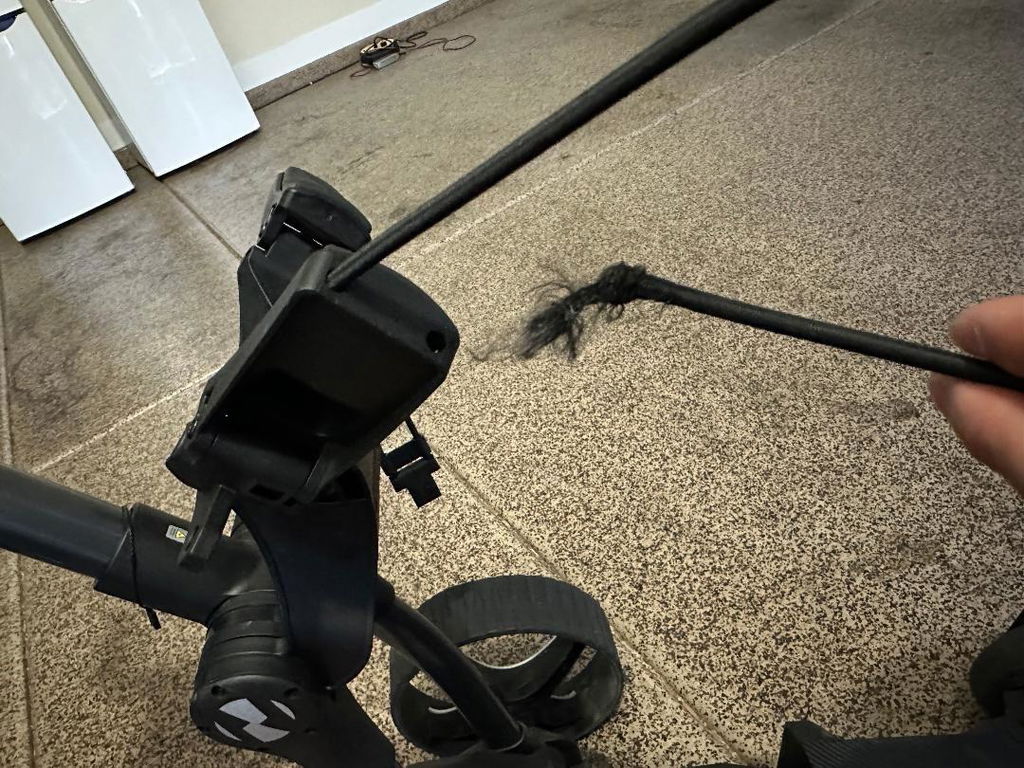
(Estas dos fotos se relacionan con la recuperación del patinete eléctrico NAVEE ST3 Pro robado de nuestro colega, el cual fue localizado con Apple Buscar y recuperado con éxito con la ayuda de la policía.)


Preguntas frecuentes
1. P: ¿Bloquear mi patinete fuera bajo la lluvia dañará el candado?
R: El candado electrónico integrado de un patinete generalmente está protegido dentro del vehículo, pero eso no hace que todo el patinete sea impermeable. Sigue las indicaciones del fabricante sobre resistencia al agua y evita dejar el patinete expuesto a lluvias fuertes durante períodos prolongados.
Para un candado en U, un candado de cadena o un candado plegable externo, elige un modelo resistente a la intemperie. La lluvia aún puede causar óxido, acumulación de suciedad o endurecimiento del mecanismo de la llave con el tiempo, así que seca el candado después de exponerlo y mantenlo con un lubricante seco adecuado para candados. Evita usar aerosoles aceitosos de uso general a menos que el fabricante del candado los recomiende.
2. P: ¿Puedo llevar mi patinete eléctrico a tiendas, oficinas o al transporte público para evitar dejarlo fuera?
R: Las políticas varían mucho. La mayoría de las tiendas de comestibles y grandes superficies de EE. UU. no permiten la entrada de patinetes por razones de responsabilidad civil, pero muchas oficinas, bibliotecas y cafeterías te permitirán entrar con un patinete plegado siempre que no obstruya los pasillos. Las normas del transporte público también varían según la ciudad; consulta la política de micromovilidad de la autoridad de transporte local antes de confiar en ello.
3. P: ¿Los patinetes eléctricos plegables son más vulnerables al robo que los no plegables?
R: Son ligeramente más propensos, ya que los modelos plegables son más fáciles de levantar y llevarse discretamente. Sin embargo, la ventaja es que puedes llevarlos al interior con más frecuencia — a oficinas, aulas y apartamentos —, lo que elimina de manera efectiva la mayor parte de la posibilidad de robo. Para quienes se desplazan a diario, esta portabilidad suele ser una ventaja de seguridad.
Más lecturas: Cómo bloquear un patinete eléctrico - ¡La guía experta!
Compartir:
¿Existen cargadores universales compatibles con la mayoría de los patinetes eléctricos?
¿Puedes recomendarme el mejor patinete eléctrico de 1000w para desplazamientos diarios?