


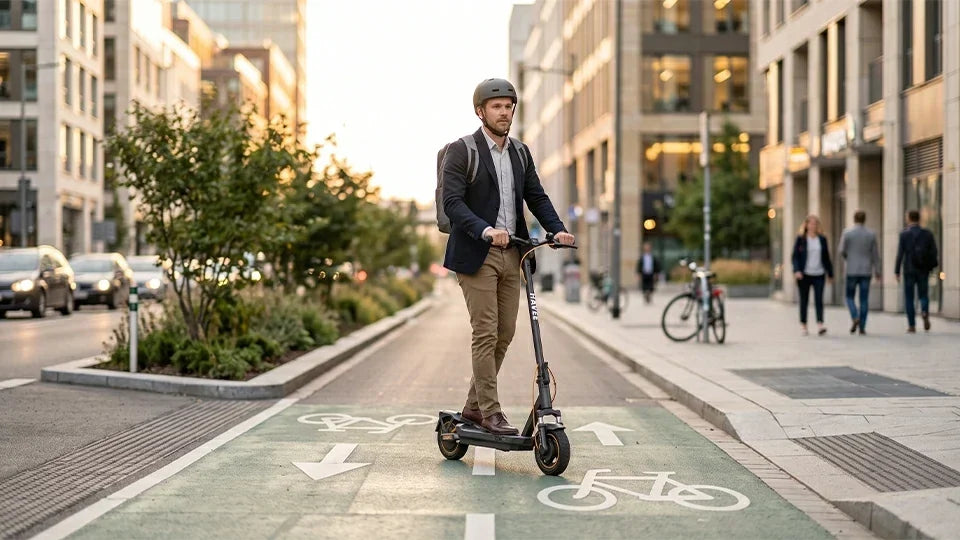
Un trayecto diario práctico en patinete eléctrico comienza con cuatro decisiones: si vas a desplazarte de puerta a puerta o combinar el patinete con el transporte público, cuánta autonomía real necesitas, dónde puedes guardar o cargar el patinete en el trabajo y qué ruta minimiza la exposición al tráfico rápido y al pavimento en mal estado.
Antes de usar el patinete para un día de trabajo normal, prueba la ruta completa durante un período de menor tráfico. Confirma las normas locales de circulación y transporte, practica cómo plegar y llevar el patinete, y deja suficiente batería de reserva para cuestas, viento, desvíos y temperaturas más frías.
Los patinetes eléctricos pueden hacer que los desplazamientos diarios sean más predecibles al sustituir largas caminatas, lentos transbordos en autobús o costosos trayectos cortos en coche. Sin embargo, el éxito del trayecto depende menos de la velocidad máxima y más de cuánto se adapta el patinete al recorrido completo.
Es posible que necesites llevarlo por una estación, colocarlo junto a un escritorio, cargarlo según las normas del lugar de trabajo, asegurarlo en un garaje compartido y circular por calles que no fueron diseñadas pensando en ruedas pequeñas.
La siguiente rutina permite afrontar estos desafíos sin convertir cada trayecto en un complicado ejercicio de planificación.
¿Es práctico un patinete eléctrico para tu trayecto diario?
Empieza por decidir cómo se utilizará el patinete.
Un trayecto de puerta a puerta da más importancia a la comodidad de conducción, la autonomía, la suspensión y el rendimiento en cuestas. Un trayecto combinado con tren da más importancia al peso, el tamaño plegado, el equilibrio al transportarlo y la rapidez con la que se puede asegurar el chasis antes de subir al tren.
Planifica tu trayecto habitual y responde a cinco preguntas:
- ¿Cuál es la distancia total de ida y vuelta?
- ¿Necesitarás subir el patinete por escaleras o atravesar estaciones largas?
- ¿La ruta incluye cuestas empinadas, pavimento irregular o lluvias frecuentes?
- ¿Puedes guardar el patinete de forma segura en el trabajo?
- ¿Tu empresa o edificio permite la carga en interiores?
Un patinete eléctrico para desplazamientos diarios adecuado debe resolver el trayecto completo en lugar de ofrecer solo la velocidad suficiente para el tramo en el que se circula.
La iluminación, los frenos, el diseño de los neumáticos, la seguridad al plegarlo y la practicidad de almacenamiento pueden ser tan importantes como la potencia del motor.
Planifica tu ruta y la batería antes de salir
La ruta más corta en coche rara vez es la mejor para un patinete. Las vías de alta velocidad, las intersecciones complejas, las vías férreas, las obras y el pavimento dañado pueden convertir un trayecto corto en uno estresante.
Utiliza una aplicación de navegación con rutas para bicicletas como punto de partida y, a continuación, revisa la ruta por tu cuenta. Prioriza los carriles bici protegidos, las vías de uso compartido, las vías verdes y las calles residenciales de menor velocidad donde se permita circular con patinetes.
Realiza una prueba de conducción
Recorre la ruta completa un fin de semana o fuera de las horas punta antes de depender del patinete para ir al trabajo.
Durante la prueba, comprueba:
- Dónde comienzan y terminan los carriles bici
- Qué intersecciones requieren especial precaución
- Si las cuestas reducen la velocidad o la batería más de lo esperado
- Dónde el deterioro del pavimento afecta a la comodidad o al control
- Dónde se acumula el agua después de la lluvia
- Dónde puedes aparcar o entrar al edificio de forma segura
Una ruta ligeramente más larga puede ser la mejor opción diaria si evita el tráfico rápido y los cruces difíciles.
Deja una autonomía de reserva realista
La autonomía máxima normalmente se mide en condiciones controladas. La autonomía real varía según la velocidad, el peso del usuario, las cuestas, el viento, la temperatura, la presión de los neumáticos, la superficie de la vía y las aceleraciones repetidas.
Para la planificación inicial, elige un patinete que pueda recorrer entre 1,3 y 1,5 veces la distancia habitual de ida y vuelta en condiciones similares a las de tu ruta.
Por ejemplo, un trayecto diario de ida y vuelta de 12 millas se planifica con mayor comodidad con una autonomía utilizable de 16 a 18 millas. Utiliza un margen mayor cuando el trayecto incluya cuestas empinadas, clima frío, bolsas pesadas, velocidades más altas o no haya opción de carga en el trabajo.
Este es un margen de planificación, no una fórmula garantizada.
Prueba la ruta a tu ritmo habitual de conducción y registra el nivel de batería antes y después de cada trayecto. Intenta no llegar a casa casi sin batería todos los días, porque los desvíos, el viento, el clima y el envejecimiento gradual de la batería pueden reducir tu margen con el tiempo.

Lleva un patinete eléctrico plegable en el transporte público
Si los autobuses, trenes o metros forman parte del trayecto, consulta las normas vigentes de cada operador de transporte.
Las políticas pueden variar según el tipo de vehículo, la hora del día, el tamaño del patinete y si este está completamente plegado.
Pliega el patinete antes de llegar a la línea de embarque
Practica el proceso de plegado en casa hasta que se convierta en algo rutinario:
- Apaga el patinete.
- Colócalo sobre una superficie estable.
- Libera el mecanismo de seguridad de plegado según el manual.
- Baja el mástil hacia la plataforma.
- Asegura el mástil al cierre trasero o punto de bloqueo designado.
- Levanta ligeramente el patinete para confirmar que el chasis plegado está bloqueado.
Pliega el patinete antes de acercarte al torno de acceso o a la línea de embarque.
Nunca fuerces una palanca atascada. Comprueba si hay suciedad, un alineamiento incorrecto o un bloqueo secundario activado antes de intentarlo de nuevo.
La velocidad de plegado es solo una parte de la utilidad en el transporte público. El peso, las dimensiones plegadas, el equilibrio al transportarlo y la seguridad del cierre pueden tener un mayor efecto en la comodidad diaria. Nuestra guía sobre elegir un patinete eléctrico plegable para desplazamientos diarios explica cómo comparar esos factores antes de comprar.
Llévalo y guárdalo sin bloquear a los demás
Sujeta el mástil inferior cerca del centro de gravedad del patinete e inclina la plataforma ligeramente en dirección opuesta a tu ropa. Esto reduce el balanceo y ayuda a mantener los neumáticos mojados o la suciedad de la carretera alejados de los pantalones y abrigos.
Una vez a bordo:
- Mantén el patinete plegado y apagado
- Sujétalo firmemente durante las paradas bruscas
- Mantén despejados los accesos, pasillos, áreas para sillas de ruedas y salidas
- Colócalo debajo de un asiento solo cuando quepa por completo
- No lo apoyes contra otros pasajeros ni en equipaje sin supervisión
Si tienes que llevar el patinete por varios tramos de escaleras todos los días, la portabilidad debe tener prioridad sobre la potencia adicional del motor o el tamaño de la batería.

Guarda, carga y asegura el patinete en el trabajo
Confirma las políticas del lugar de trabajo y del edificio antes de llevar el patinete al interior.
Un edificio puede permitir aparcar en un garaje, pero prohibir guardarlo junto a un escritorio, cargarlo en habitaciones ocupadas o transportar patinetes grandes en ascensores.
Carga solo donde esté permitido
Cuando se permita la carga en el lugar de trabajo:
- Utiliza el cargador suministrado con el modelo exacto o específicamente aprobado para él
- Inspecciona el cable, el enchufe, la carcasa del cargador y el puerto de carga
- Deja que el patinete se enfríe después de un trayecto exigente cuando el manual lo requiera
- Carga en un lugar seco y despejado, lejos de papel, tela y salidas bloqueadas
- Permanece presente mientras se carga
- Desconecta el cargador cuando la carga esté completa
La Guía de micromovilidad de la Comisión de Seguridad de Productos del Consumidor de EE. UU. aconseja a los usuarios permanecer presentes durante la carga, evitar cargar mientras duermen y utilizar únicamente el cargador proporcionado o recomendado por el fabricante.
No guardes un cargador genérico adicional en la oficina solo porque su conector encaje. El voltaje, la corriente, la polaridad y los controles de carga deben coincidir con los del patinete.
Antes de comprar uno de repuesto, revisa nuestra Guía de seguridad de cargadores de patinetes eléctricos para comprender qué especificaciones deben coincidir.
Si la carga está prohibida, la carga en casa y la autonomía de reserva deben cubrir el trayecto completo de ida y vuelta.
Asegura el chasis, no una pieza extraíble
Cuando el patinete no pueda guardarse en un lugar interior controlado, utiliza un candado en U reforzado o un candado plegable de alta calidad a través de una parte estructural del chasis y un soporte fijo.
Evita asegurarlo únicamente a través de una rueda, el manillar, el guardabarros o un soporte de accesorios.
El seguimiento digital puede ayudar a recuperarlo, pero debe tratarse como un respaldo en lugar de un sustituto de un candado físico.
Guarda el número de serie del patinete, el comprobante de compra y fotos actuales. Si lo roban, proporciona la información de seguimiento disponible a las autoridades policiales en lugar de enfrentarte tú mismo a un presunto ladrón.
¿Qué modelo de NAVEE se adapta a este trayecto?
El modelo adecuado depende principalmente de si la portabilidad o la comodidad en trayectos más largos es más importante.
| Modelo | Mejor para | Por qué se adapta |
|---|---|---|
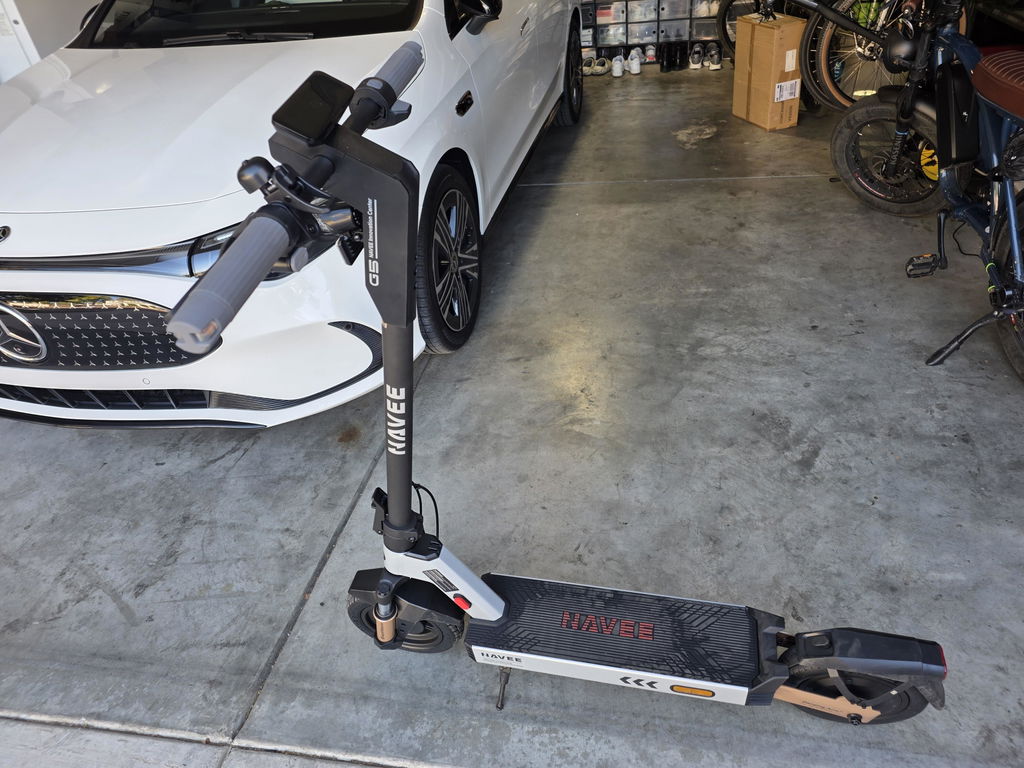
| NAVEE GT3 Max | Trayectos asistidos por transporte público | Equilibra un diseño plegable, suspensión dual, seguimiento inteligente y un formato para desplazamientos diarios relativamente manejable |
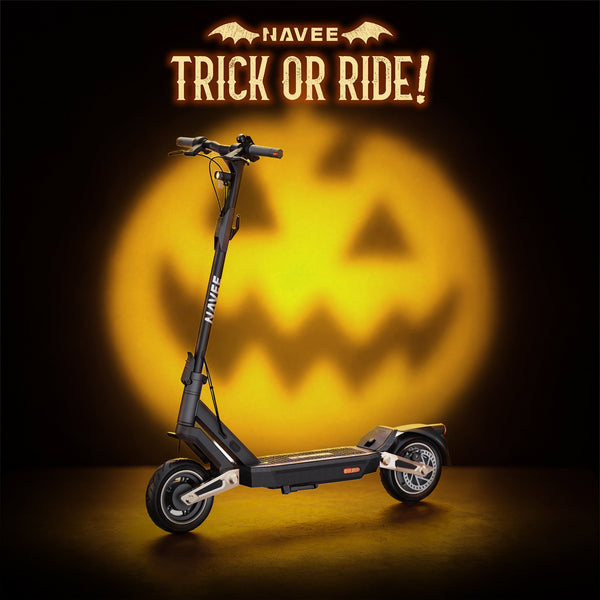
| NAVEE ST3 Pro | Trayectos urbanos de puerta a puerta más largos | Prioriza la suspensión de brazo amortiguador, neumáticos autosellantes, un rendimiento más fuerte en cuestas y estabilidad en trayectos más largos |
El GT3 Max es el punto de partida más práctico cuando el patinete se llevará ocasionalmente por estaciones o se guardará en espacios más reducidos.
El ST3 Pro es más adecuado para usuarios que pasan más tiempo en el patinete y solo lo llevan durante distancias cortas. Su configuración de suspensión y neumáticos pone mayor énfasis en la comodidad en rutas urbanas más largas o irregulares.
Las cifras de autonomía publicadas de ambos modelos se basan en pruebas controladas. La autonomía real del trayecto diario dependerá de la velocidad de conducción, el peso del usuario, las cuestas, la temperatura, el viento, la presión de los neumáticos y las condiciones de la vía.
Elige basándote en la ruta completa en lugar de únicamente en la cifra de autonomía más alta.
Preguntas frecuentes sobre desplazamientos diarios en patinete eléctrico
1. ¿Puedo llevar un patinete eléctrico en autobús o tren?
Depende del operador de transporte.
Consulta las normas vigentes antes de viajar, especialmente durante las horas punta. Mantén el patinete plegado, apagado, bajo control y alejado de puertas, pasillos, áreas para sillas de ruedas y salidas de emergencia.
2. ¿Puedo cargar un patinete eléctrico en el trabajo?
Solo cuando el empleador y el edificio lo permitan.
Utiliza el cargador aprobado, permanece presente, mantén el área de carga libre de materiales inflamables y salidas, y desconecta el cargador cuando la carga esté completa.
3. ¿Cuánta autonomía necesito para un trayecto diario?
Empieza con la distancia exacta de ida y vuelta y añade una reserva de planificación del 30 % al 50 %.
Utiliza la reserva mayor para cuestas, clima frío, velocidades más altas, vientos fuertes, bolsas pesadas o rutas sin carga en el trabajo. Prueba la ruta completa antes de depender del patinete para ir al trabajo.
4. ¿Puedo desplazarme en patinete eléctrico bajo la lluvia?
Sigue las indicaciones del fabricante sobre resistencia al agua y las normas locales de circulación.
Reduce la velocidad, aumenta la distancia de frenado, evita aceleraciones bruscas y ten especial precaución sobre líneas pintadas, hojas y cubiertas metálicas.
Nunca consideres una clasificación de resistencia al agua como permiso para circular por agua profunda o inundaciones.
Crea un trayecto que funcione todos los días
Un desplazamiento diario fiable en patinete eléctrico se construye en torno al trayecto completo.
Prueba la ruta antes de la hora punta, mantén una reserva de batería realista, practica el plegado antes de subir al transporte público y confirma las normas de almacenamiento y carga en el trabajo.
Al llegar a tu destino, asegura el patinete a través del chasis y utiliza el seguimiento digital solo como una segunda capa.
Cuando el peso del patinete, la autonomía, la suspensión, los frenos y las necesidades de almacenamiento coincidan con tu rutina real, el desplazamiento diario se vuelve más predecible, cómodo y fácil de repetir todos los días.
¿Listo para encontrar el patinete adecuado para tu trayecto?
Explora todos los patinetes eléctricos NAVEE y compara modelos por autonomía, potencia, suspensión, portabilidad y necesidades de conducción.
Compartir:
Por qué los golfistas se están pasando a los carros eléctricos de empuje en 2026: Los datos detrás de la tendencia del golf a pie
Guía para la primera salida en moto eléctrica infantil: configuración, equipo de seguridad y entrenamiento para principiantes