


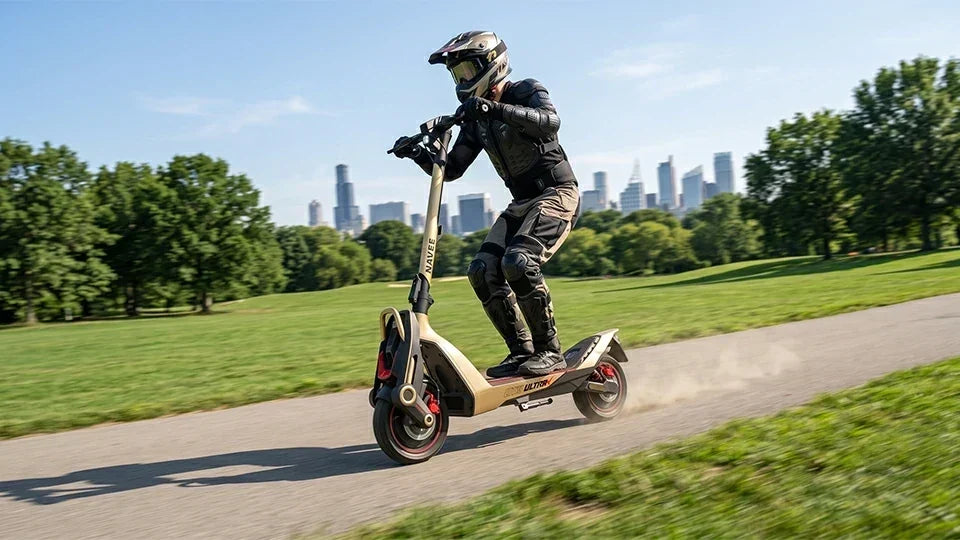
En Estados Unidos, los patinetes eléctricos de baja velocidad (limitados a menos de 20 mph) rara vez requieren un seguro obligatorio según las leyes estatales de vehículos de motor. Sin embargo, se recomienda encarecidamente a quienes se desplazan a diario que cuenten con un seguro específico para patinetes eléctricos para protegerse contra reclamaciones de responsabilidad civil frente a terceros, el robo del vehículo y los gastos derivados de lesiones personales. Las pólizas estándar de seguro de hogar, inquilinos y automóviles en EE. UU. excluyen casi universalmente los accidentes durante la conducción, la responsabilidad civil en la vía pública y los vehículos eléctricos ligeros (LEV) sin matrícula.
Avanzar entre el tráfico matutino a 20 mph en un patinete eléctrico es rápido, eficiente y sorprendentemente divertido. Sin embargo, circular junto a vehículos de varias toneladas, por aceras urbanas abarrotadas y entre peligros viales impredecibles conlleva riesgos financieros reales. Ya sea que se desplace a diario en un modelo urbano ligero, recorra largas rutas por la ciudad o conduzca un patinete todoterreno de alto rendimiento, proteger su inversión en el vehículo y sus ahorros personales es esencial.
En esta guía completa sobre el seguro para patinetes eléctricos: lo que debe saber, explicamos todo lo necesario para proteger su bolsillo y conducir con total confianza, desde comprender las exclusiones de letra pequeña de sus pólizas actuales de hogar y automóvil en EE. UU. hasta elegir la estrategia de cobertura exacta para su estilo de conducción.
¿Necesita un seguro para un patinete eléctrico en EE. UU.?
Una pregunta común tanto entre conductores estadounidenses noveles como experimentados es: ¿necesito un seguro para un patinete eléctrico?
La respuesta corta se reduce a dos consideraciones principales: las normativas municipales locales y su tolerancia personal al riesgo financiero.
1. Leyes estatales de EE. UU. y normativas municipales
En la mayoría de los estados de EE. UU., los patinetes eléctricos que funcionan a menos de 20 mph y tienen potencias inferiores a 750 W se clasifican como vehículos eléctricos ligeros en lugar de vehículos de motor. Los departamentos de transporte estatales (como el DMV de California) generalmente no exigen el registro del vehículo, la obtención de una licencia ni un seguro de responsabilidad civil obligatorio para estos vehículos de desplazamiento de baja velocidad. Para obtener un desglose más detallado de las normas de conducción estado por estado, consulte nuestra guía sobre las leyes sobre patinetes eléctricos en EE. UU. para asegurarse de cumplir plenamente con la normativa. Sin embargo, las ordenanzas municipales, los campus universitarios y los centros de transporte municipales actualizan con frecuencia las zonas de circulación y los límites de velocidad en las aceras, por lo que es fundamental consultar las normas específicas de micromovilidad de su ciudad para evitar multas de tráfico inesperadas.
2. Riesgo financiero personal y protección de bienes
Incluso cuando la ley estatal no le obliga estrictamente a contar con una cobertura, circular sin seguro deja sus ahorros personales expuestos. Si choca accidentalmente con un peatón o raya un coche aparcado, las facturas médicas y las reclamaciones por daños materiales que deba pagar de su bolsillo pueden alcanzar fácilmente decenas de miles de dólares. Contratar un seguro personal para vehículos eléctricos especializado garantiza que un solo error de un instante no se convierta en una demanda personal devastadora.
Por qué su seguro actual de hogar o automóvil probablemente no le cubrirá
Muchos conductores asumen que sus pólizas actuales de seguro de propietario, inquilino o automóvil en EE. UU. se extienden automáticamente a su patinete eléctrico. En realidad, depender de las pólizas de seguro tradicionales a menudo deja importantes lagunas de cobertura.
La exclusión de vehículos motorizados para seguros de propietario e inquilino
Aunque una póliza estándar de inquilino o propietario podría reembolsar un patinete robado si alguien entra en su casa o garaje privado, esa protección suele terminar en el límite de su propiedad.
Más importante aún, las pólizas estándar de seguro de hogar en EE. UU. excluyen casi universalmente la responsabilidad civil por vehículos terrestres motorizados que circulan por vías públicas o carriles bici urbanos. Además, las franquicias estándar (de 500 a 1.000 dólares) implican que presentar una reclamación de seguro de hogar por un patinete robado de 800 dólares arroja casi cero de pago neto, al tiempo que supone el riesgo de que aumenten sus primas anuales de seguro de hogar.
Limitaciones de las pólizas de seguro de automóvil
Llamar a su compañía de seguros de automóvil para añadir un patinete eléctrico rara vez funciona. Las pólizas estándar de automóvil en EE. UU. exigen un título de vehículo emitido por el estado, un número de identificación del vehículo (VIN) y una matrícula. Dado que los vehículos eléctricos ligeros (LEV) carecen de título en casi todas las jurisdicciones de EE. UU., las aseguradoras de automóviles rechazarán la cobertura de inmediato.
Seguro médico personal frente a responsabilidad civil
Si cae por un bache oculto, su seguro médico personal ayudará a cubrir sus visitas a urgencias y su tratamiento médico (después de alcanzar su franquicia). Sin embargo, el seguro médico no paga ni un dólar por reclamaciones médicas de terceros ni por los costes de reparación del vehículo si choca con otra persona.

Explicación de los tipos de pólizas de seguro para patinetes eléctricos
Para cubrir estas lagunas, las aseguradoras especializadas de EE. UU. ofrecen pólizas específicas adaptadas especialmente a los vehículos eléctricos personales (PEV). Según las orientaciones educativas del Instituto de Información sobre Seguros (III), las pólizas estándar para vehículos eléctricos ligeros suelen estructurarse en torno a cuatro pilares de cobertura principales:
Seguro de responsabilidad civil para patinetes eléctricos: Cubre lesiones de peatones, facturas médicas, daños materiales de terceros y honorarios de defensa legal.
Cobertura de robo de patinetes eléctricos: Reembolsa el valor de sustitución del vehículo si le roban el patinete en aparcamientos públicos para bicicletas, centros de transporte o garajes.
Protección integral del vehículo: Reembolsa los costes de reparación tras colisiones contra bordillos, baches u obstáculos.
Pagos médicos para patinetes eléctricos: Cubre las franquicias del seguro médico, los copagos y la asistencia de emergencia con grúa en carretera.
Información importante: Los conceptos de seguro descritos a continuación tienen únicamente fines educativos e informativos generales. NAVEE es un fabricante de vehículos eléctricos de movilidad y no redacta, vende ni ofrece pólizas de seguro. Las opciones de cobertura, los límites de la póliza, las franquicias y las exclusiones varían significativamente según el estado, la jurisdicción local y la compañía de seguros. Consulte siempre a un agente de seguros local autorizado o a una aseguradora especializada para verificar la disponibilidad de la póliza y los detalles exactos de la cobertura antes de comprar.
1. Seguro de responsabilidad civil para patinetes eléctricos
La responsabilidad civil frente a terceros es el componente más crítico de cualquier póliza. Si choca accidentalmente con un peatón en una acera urbana o roza un vehículo de lujo en el tráfico, el seguro de responsabilidad civil para patinetes eléctricos cubre los gastos médicos del tercero, la pérdida de salarios, las facturas de reparación del vehículo y sus costes de defensa legal si se le incluye en una demanda por lesiones personales.
2. Cobertura de robo de patinetes eléctricos
Los conductores urbanos modernos invierten entre 500 y más de 2.000 dólares en vehículos fiables. Una cobertura integral contra el robo de patinetes eléctricos reembolsa el valor de sustitución de su patinete si se lo roban de un aparcamiento para bicicletas en el lugar de trabajo, una estación de metro o una zona de aparcamiento residencial compartida.
Nota: Las aseguradoras suelen exigir pruebas de marcas de corte en el candado y el cumplimiento de estándares de seguridad específicos (como candados en U con clasificación Sold Secure Gold o Diamond).
3. Cobertura de colisiones y daños al vehículo
Si pierde el control en pavimento mojado o choca contra un peligro vial profundo, la cobertura de colisiones paga la reparación o sustitución de su chasis, motor o componentes de la batería dañados.
4. Pagos médicos para patinetes eléctricos y asistencia en carretera
La cobertura suplementaria de pagos médicos para patinetes eléctricos ayuda a pagar las franquicias de su seguro médico, los copagos o las tarifas de transporte de emergencia tras un accidente en el que circule solo. La asistencia en carretera opcional proporciona remolque si sufre un pinchazo o se queda sin batería lejos de casa.
Guía paso a paso para decidir si necesita un seguro
Evaluar su perfil de riesgo individual no tiene por qué ser complicado. Siga estos cuatro pasos clave de evaluación para decidir si compra una póliza independiente, añade una cobertura paraguas para conductores o se asegura por su cuenta:
- Comprobación de motor y velocidad: ¿La velocidad máxima de su patinete supera las 20 mph o la potencia del motor es superior a 750 W?
- Valor del vehículo: ¿El coste de sustitución del vehículo es superior a 1.000 dólares?
- Entorno de desplazamiento: ¿Circula a diario por tráfico urbano denso o corredores urbanos abarrotados?
- Normativas locales: ¿Existen ordenanzas municipales o normas del campus que regulen su ruta de desplazamiento?
Paso 1: Evalúe la velocidad y la potencia del motor de su patinete
- Por debajo de 15,5 mph (25 km/h) y 250 W–500 W: Riesgo legal bajo. A menudo basta con una responsabilidad civil básica o un seguro por cuenta propia.
- Por encima de 20–30+ mph y motores duales: Alto riesgo de responsabilidad civil y colisión. Se recomienda encarecidamente un seguro específico para patinetes eléctricos.
Paso 2: Calcule el coste de sustitución del vehículo
Compare el valor actual de mercado de su patinete con las franquicias estándar de las pólizas (100–250 dólares). Si sustituir su patinete de su bolsillo le causaría una grave dificultad financiera, comprar una cobertura contra robo y colisiones es una decisión inteligente.
Paso 3: Evalúe su entorno de conducción diario
Si su ruta diaria incluye tráfico denso en el centro, plazas peatonales compartidas o centros de aparcamiento de transporte con altos índices de criminalidad, la responsabilidad civil frente a terceros y la protección contra el robo se vuelven esenciales.
Paso 4: Verifique las normas de cumplimiento regionales
Compruebe si su autoridad de transporte local exige registro o prueba de seguro antes de circular por carriles bici públicos o calles.
Cómo elegir la estrategia de protección adecuada para su categoría de patinete
Su estrategia de seguro debe corresponder directamente a la categoría de su vehículo, la potencia del motor y el entorno de conducción diario.
1. Modelos básicos y prácticos para desplazamientos diarios
- Perfil de conducción: Trayectos urbanos cortos o medianos, circulación por carriles bici, velocidades máximas bajas o moderadas. Explore nuestra gama de versátiles patinetes eléctricos urbanos diseñados para el transporte urbano diario.
- Estrategia recomendada: Pagar primas anuales elevadas por un seguro para modelos básicos suele ser innecesario. Un candado en U resistente a amoladoras angulares junto con un fondo de seguro personal (20 dólares al mes) suele ser suficiente. Si circula con mucho tráfico, una cobertura opcional de responsabilidad civil de bajo coste ofrece una protección básica contra pequeños incidentes de tráfico.
2. Modelos prémium de confort y largo alcance para desplazamientos diarios
- Perfil de conducción: Trayectos diarios largos, modelos urbanos equipados con suspensión, mayor valor de sustitución, aparcamiento frecuente en garajes públicos compartidos o centros de trabajo. Explore los patinetes eléctricos urbanos de largo alcance diseñados para ofrecer la máxima estabilidad y autonomía.
- Estrategia recomendada: El hardware de desplazamiento de gama alta representa una inversión significativa. Lo ideal es optar por una póliza independiente para vehículos eléctricos personales (PEV) que cubra tanto el robo como la responsabilidad civil frente a terceros. Busque pólizas que ofrezcan la sustitución del vehículo por el precio completo de compra en lugar de su valor en efectivo depreciado.
3. Patinetes de alto rendimiento y todoterreno
- Perfil de conducción: Velocidades elevadas (25+ mph), motores duales, subidas empinadas, pavimento irregular y rutas recreativas fuera de carretera. Descubra nuestros patinetes eléctricos todoterreno diseñados para cuestas y terrenos difíciles.
- Estrategia recomendada: Dada la mayor velocidad y potencia de un patinete eléctrico todoterreno, es esencial contar con una póliza de responsabilidad civil de límite elevado (100.000 dólares o más) combinada con protección contra daños por colisión. Confirme siempre que su aseguradora permita configuraciones de motor dual antes de comprar una póliza.
Comparación de configuraciones de vehículos y estrategias de cobertura de seguro
| Categoría de patinete | Enfoque principal | Perfil de riesgo principal | Enfoque de seguro recomendado |
|---|---|---|---|
| Desplazamiento básico | Transporte urbano práctico y económico | Robo en aparcamientos públicos y pequeños roces | Fondo de seguro personal + candado en U de alta resistencia; responsabilidad civil básica opcional. |
| Desplazamiento prémium | Rutas urbanas largas y confort | Robo en garajes compartidos y tráfico denso | Póliza independiente para vehículos eléctricos personales con cobertura contra robo y sustitución integral del vehículo. |
| Todoterreno / Alto rendimiento | Motor dual, alta velocidad, cuestas | Colisiones a alta velocidad e impactos por el terreno | Responsabilidad civil de límite elevado (100.000 dólares o más) combinada con cobertura de colisiones. |
Lista de verificación práctica antes de comprar una póliza o circular
Utilice esta lista de verificación práctica para asegurarse de que su cobertura siga siendo válida cuando más la necesite:
- [ ] 1. Guarde las especificaciones esenciales del vehículo: Conserve su recibo de compra original, el número de serie, la potencia nominal del motor y las especificaciones de velocidad máxima en una carpeta digital segura.
- [ ] 2. Compruebe las clasificaciones de candados aprobados: Si su póliza incluye cobertura contra robo, verifique si su aseguradora exige un candado con certificación Sold Secure Gold o Diamond. Conserve el recibo del candado como prueba.
- [ ] 3. Solicite por escrito las exclusiones a su agente: Si depende de un seguro de propietario o inquilino, pregunte por escrito a su agente: «¿Esta póliza cubre la responsabilidad civil frente a terceros si atropello a un peatón en una calle urbana mientras conduzco un patinete eléctrico?»
- [ ] 4. Presente siempre una denuncia policial en un plazo de 24 horas: Las aseguradoras rechazarán las reclamaciones por robo y colisión si no disponen de un número oficial de denuncia policial.
- [ ] 5. Tenga cuidado con las exclusiones de uso: Nunca utilice un patinete personal para servicios de reparto comercial (como DoorDash o UberEats) bajo una póliza personal, y evite permitir que amigos no registrados lo conduzcan si su póliza excluye el uso por parte de terceros.

Preguntas frecuentes sobre el seguro para patinetes eléctricos
1. ¿El seguro de propietario cubre un patinete eléctrico robado?
El seguro de propietario puede cubrir un patinete robado únicamente si fue sustraído durante un robo con fuerza en su casa o garaje privado. Sin embargo, suele excluir el robo en vías públicas y no ofrece ninguna cobertura de responsabilidad civil una vez que el patinete sale de los límites de su propiedad. Las franquicias elevadas de las pólizas (de 500 a 1.000 dólares) también limitan su utilidad para modelos de menor coste.
2. ¿Qué debe hacer inmediatamente después de un accidente con un patinete eléctrico?
- Priorice la seguridad: Salga del flujo de tráfico y compruebe si hay heridos. Llame a los servicios de emergencia si es necesario.
- Documente la escena: Haga fotos nítidas de la posición de los vehículos, las condiciones de la vía, las marcas de frenado, los daños materiales y los números de serie del vehículo.
- Intercambie información: Recopile los datos de contacto, los números de licencia de conducir y la información de seguro de todas las partes implicadas y los testigos.
- Presente una denuncia policial: Solicite una denuncia policial oficial en el lugar; las aseguradoras especializadas requieren este número de informe de incidente para tramitar las reclamaciones.
- Notifique a su aseguradora (si tiene una): Póngase en contacto con su compañía de seguros en un plazo de 24 horas para iniciar su reclamación.
3. ¿Cuánto cuesta al año un seguro para patinete eléctrico?
En promedio, las pólizas básicas independientes de responsabilidad civil en EE. UU cuestan entre 100 y 150 dólares al año. Las pólizas integrales que cubren robo, daños por colisión y lesiones personales suelen oscilar entre 200 y más de 400 dólares al año, según su ubicación, el valor de sustitución del patinete, la potencia del motor y sus antecedentes de conducción.
4. ¿Cubrirá el seguro a un amigo que conduzca mi patinete eléctrico?
La mayoría de las pólizas básicas restringen la cobertura al titular principal indicado en la póliza. Permitir que un amigo o familiar lo conduzca sin añadir a su póliza una cobertura opcional de «uso por parte de terceros» puede provocar el rechazo de las reclamaciones si se produce un accidente. Consulte siempre la cláusula de uso por parte de terceros de su póliza antes de compartir su patinete.
Reflexiones finales: Conduzca preparado, conduzca protegido
Los patinetes eléctricos ofrecen una libertad urbana inigualable, una baja huella de carbono y desplazamientos diarios fluidos. Pero a medida que la micromovilidad sigue creciendo en las ciudades estadounidenses, proteger sus finanzas de los peligros de tráfico y el robo del vehículo es tan importante como llevar un casco de calidad.
Al elegir la estrategia de protección adecuada para tu estilo de conducción —ya sea confiar en robustos candados de seguridad para los desplazamientos diarios por la ciudad o contar con una cobertura integral de responsabilidad civil para recorridos de alto rendimiento por terrenos difíciles— podrás salir a la carretera con total confianza.
¿Listo para encontrar tu vehículo ideal? ¡Explora hoy toda la gama de patinetes eléctricos para adultos prémium de NAVEE!
Compartir:
¿Son legales los patinetes eléctricos en Florida? Guía de 2026 para usuarios y normas
Patinete eléctrico para reparto: Mejores modelos y guía de compra esencial