


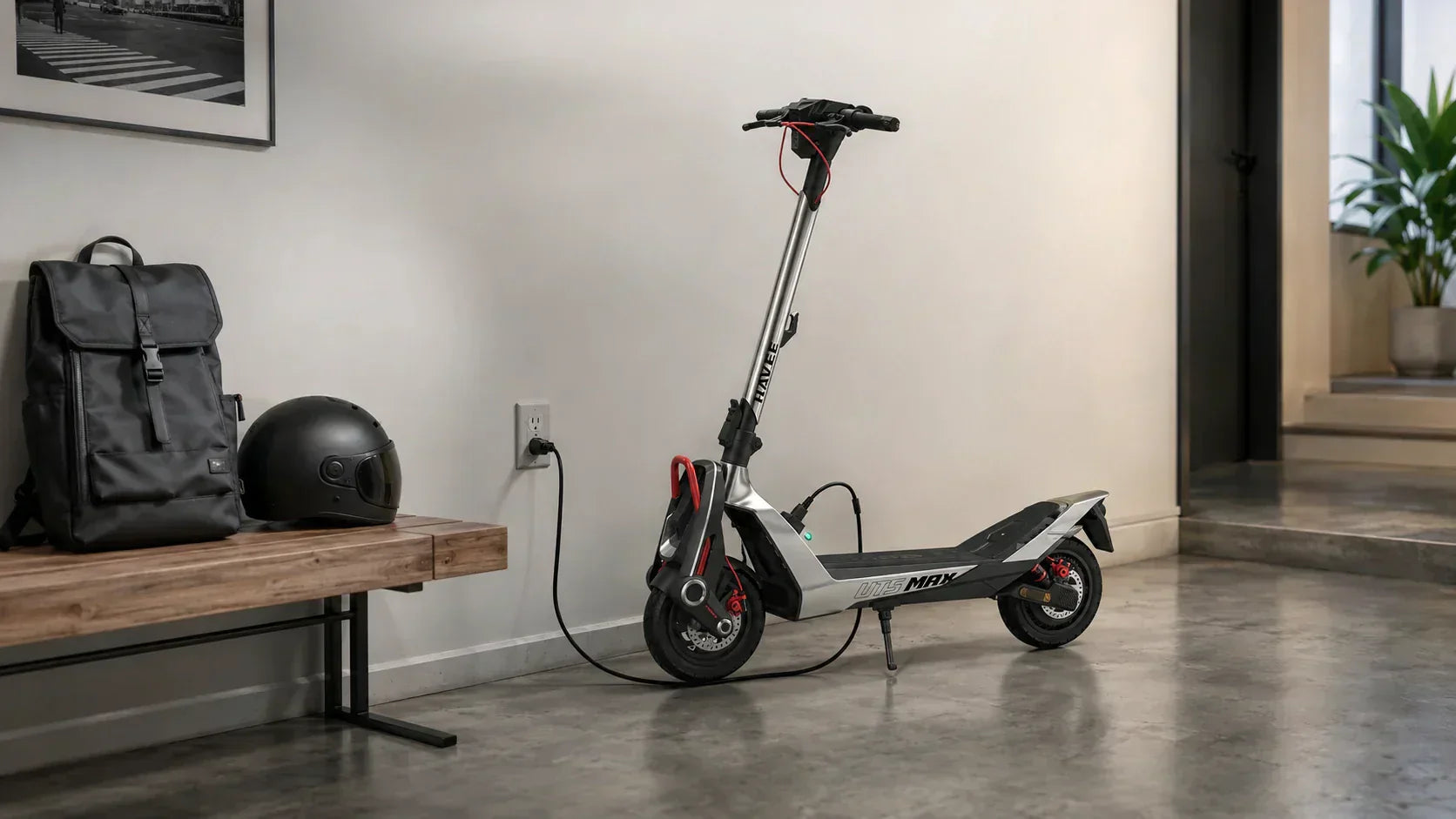
Most e-scooter battery fires can be traced to a few main causes: physical damage, charging problems, water intrusion, or low-quality battery components. When one of these issues causes a cell to overheat, the fire can spread quickly and release intense heat and toxic smoke.
This guide explains how battery fires start, the warning signs to watch for, safer charging and storage practices, what to check before buying a scooter, and how to dispose of an old or damaged battery properly.
Why E-Scooter Battery Fires Are Making Headlines
It seems like every week there is another headline about an apartment fire caused by an e-scooter. The FDNY alone responded to hundreds of lithium-ion battery fires last year, and several of them turned deadly. Fire departments in London, San Francisco, and other major cities have reported similar spikes.
The issue isn't that electric scooters are inherently dangerous. It's a numbers game combined with a flood of cheap, unregulated products on the market. When a lithium-ion battery fails, it doesn't just smolder. It shoots out intense, blowtorch-like flames and toxic smoke in a matter of seconds. Because people usually park and charge their scooters indoors, these fires happen right where we live and sleep, which makes them incredibly dangerous.

How a Lithium-Ion Battery Actually Catches Fire
To keep your scooter lightweight and fast, it relies on a lithium-ion battery pack. These packs squeeze an immense amount of energy into a tiny space. Inside, thousands of tiny chemical reactions are happening to give you that electric boost.
Thermal Runaway in Plain English
When everything goes right, a battery stays cool. But if something goes wrong inside, it can trigger a nightmare scenario called thermal runaway.
Think of it as a catastrophic chemical domino effect. If a single battery cell overheats, gets punctured, or shorts out, it can hit a critical temperature where it releases its own oxygen and flammable gases.
That heat instantly ignites the cell, which then cooks the cell next to it, which cooks the next one, and so on. Within seconds, the entire battery pack suffers an unstoppable chain reaction. And because the battery is making its own oxygen, you can't smother the fire the way you would with paper or wood.
The Most Common Triggers
Batteries don't just explode out of nowhere. There is almost always a root cause:
-
Physical Abuse: Crashing into curbs, dropping the scooter, or letting the deck scrape violently against rocks can crush the battery cells inside.
-
Electrical Abuse (Overcharging): Using a faulty charger or leaving a damaged battery plugged in can force too much energy into the cells.
-
Water Ingress: Riding through deep puddles or leaving your scooter out in heavy rain can cause water to seep into the battery pack, creating a devastating short-circuit.
-
Manufacturing Defects: Cheap, generic batteries put together in poorly regulated factories are prone to internal flaws that can cause spontaneous failure over time.
Tips: Battery quality also plays a crucial role. Well-known brands like NAVEE are more likely to use brand-new cells from reputable suppliers and adhere to stricter quality control standards, while some ultra-low-priced electric scooters may use low-grade or refurbished cells, which are more prone to overheating, short circuits, and fires.
Warning Signs Your Battery Is in Trouble
Bulging Case, Melted Plastic, or Chemical Smell
If the battery housing looks swollen or warped, or you smell something sweet and chemical (kind of like nail polish remover), stop using the scooter right away. These are classic signs the cells inside are failing.
Hissing Sounds or Unusual Heat While Charging
A healthy battery is quiet and only slightly warm. If yours is hissing, popping, or hot enough that you can't comfortably touch it, unplug it immediately and move it somewhere safe.
Performance Clues While Riding
A sudden drop in range, weaker acceleration, or the scooter cutting out mid-ride can all point to a battery that's wearing down or damaged. Don't shrug it off. Stop riding, let it cool down completely, and have a technician inspect it before you plug it in again.
How Do You Charge Your E-Scooter Safely at Home?
Most e-scooter fires happen during the charging process. Tweaking a few simple habits will drastically lower your risk.
Pick a Safe Spot to Charge
Never charge your scooter in a hallway, near the front door, or right next to your bedroom. If it catches fire, it will block your only way out. Charge it on a hard, flat, non-flammable surface like a tile floor or concrete garage, and keep it away from curtains, beds, or rugs.
Skip Overnight Charging
It is incredibly tempting to plug your scooter in before bed and forget about it. Don't. Unplug it once it hits a full charge. If a battery is going to fail, you want to be awake and alert to handle it. A smart plug with a timer is a cheap way to cut power automatically when you can't watch it yourself.
Stick With the Original Charger
Cheap aftermarket chargers from online marketplaces may look identical to your original, but they often lack vital overcharge protection circuits. They can pump too much voltage into your battery and essentially cook it from the inside out. Always buy replacements directly from the manufacturer.
How Do You Store Your E-Scooter the Right Way?
Where your scooter sits when you aren't riding it matters just as much as how you charge it. Keep it parked in a garage, a dedicated storage closet, or an open area of the living room that doesn't block your path to the door. Lithium-ion batteries also hate extreme temperatures, so avoid leaving your scooter in a baking hot car trunk in July or a freezing shed in January. Aim for a dry, room-temperature spot between 50°F and 80°F to keep the cells from wearing out faster.
Buying a Safer Scooter from the Start
Before you buy, check the label for "UL 2272" on the scooter and "UL 2271" on the battery inside. These certifications mean the scooter has been safety-tested, and cities like New York now require them. Stick with well-known brands that offer US-based customer service and warranty support.
High-quality electric scooters typically use batteries from well-known manufacturers, so always check the specifications before buying. If the price is ridiculously low (e.g., a 1000-watt scooter for $200), it's usually not genuine. It's much more cost-effective to spend a little more on a certified model from the start than to deal with a fire later.
If you're not sure where to start, brands like NAVEE are a solid place to look. Their scooters come with the safety certifications you want, quality battery cells, and US-based support, so you're not gambling on an unknown factory overseas.
Rules You Should Know Before You Ride
Building, Dorm, and HOA Rules
Some apartments, dorms, and HOAs restrict where electric scooters can be stored or charged. Check your lease, housing policy, or community rules before buying. Follow the CPSC’s micromobility safety guidance and use only the charger approved for your scooter.
Subways, Buses, and Planes
Transit rules vary by city. Some systems require scooters to be folded and powered off, while others restrict them entirely. Check your local transit policy before riding.
Air travel is more limited. Under FAA rules, batteries over 100 Wh may require airline approval, and batteries over 160 Wh are not allowed in checked or carry-on baggage.
Insurance Coverage
Renters or homeowners insurance may not cover every scooter-related fire or liability claim. Coverage depends on the policy, exclusions, and circumstances. Review your policy or ask your insurer before charging or storing a scooter indoors.

How to Get Rid of an Old or Damaged Battery
When an e-scooter battery reaches the end of its life, or if it has been damaged in a crash, never throw it in your household trash or recycling bin. When garbage trucks crush the trash, they can easily puncture the battery and cause massive fires at landfills and recycling centers.
Instead, wrap the battery terminals with electrical tape to prevent accidental short circuits, and then take them to a local hazardous waste disposal facility, e-waste recycling center, or a dedicated battery drop-off point operated by an agency.
Quick Safety Checklist for E-Scooter Owners
| Action | Frequency | What to Look For |
|---|---|---|
| Visual Inspection | Weekly | Cracks, dents, leaks, or bloating on the deck |
| Charger Check | Every Charge | Frayed cord or a charging brick that runs burning hot |
| Ride Monitor | While Riding | Sudden drops in power or weird dashboard codes |
| Storage Audit | Permanent | Scooter is never blocking a doorway or escape route |
Final Thoughts
Electric scooters are an amazing asset for modern city living, and you don't need to give up your ride out of fear. By investing in certified hardware, charging mindfully, and staying alert to early warning signs, you can enjoy all the convenience of micromobility without putting your home at risk. The riders who never have problems aren't lucky. They're the ones who paid attention to the small stuff.
FAQs
Q1: Can a lithium battery catch fire if it’s not plugged in?
A: Yes. Charging is a common time for battery failure, but a damaged, defective, wet, or previously overheated battery can also catch fire while it is unplugged, stored, or in use. Stop using the scooter if the battery shows any damage or unusual behavior.
Q2: Should I charge an electric scooter to 100%?
A: Charging to 100% is generally fine when you need the scooter’s full range and the manufacturer allows it. For routine short trips, limiting the charge to around 80% may help reduce battery wear on models that support this feature. Avoid leaving the battery fully charged for long periods, and unplug it when charging is complete.
Q3: How long does an electric scooter battery last?
A: Battery life varies by battery quality, charging habits, temperature, and riding frequency. Many electric scooter batteries provide about 500 charging cycles, while some manufacturers estimate 600 to 800 cycles or roughly four to five years of normal use. Capacity gradually decreases over time, so the scooter may still operate after this point but deliver less range.
More reading: How To Make Your Electric Scooter Battery Last Longer?
Compartir:
Tire Maintenance for Electric Scooters: How to keep your tires in top condition
Best Electric Scooter for Seniors: Stability, Portability, and Safety Features
1 comentario
Do you carry a 10a rapid charger for the navee ut5 max? Thanks