


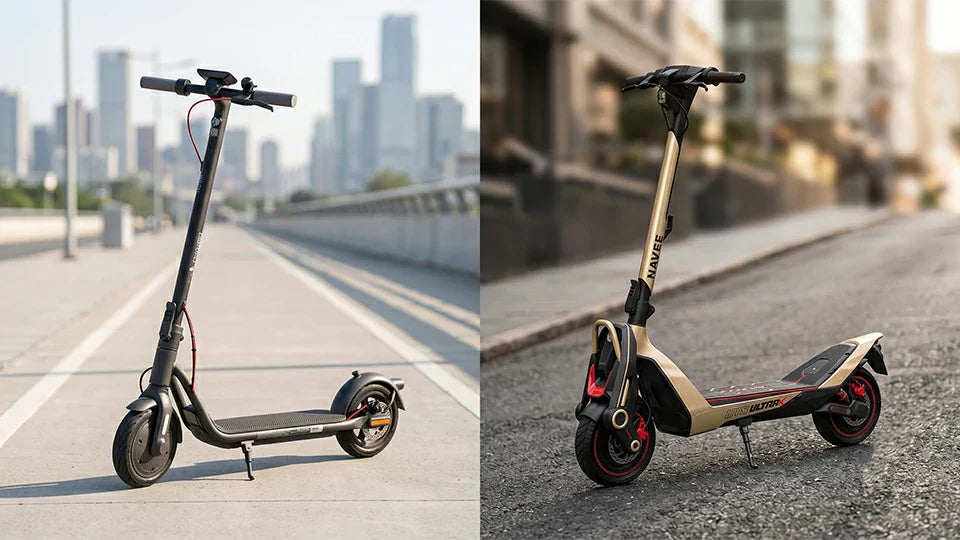
A sturdy and durable adult electric scooter typically costs between $300 and $1,500 or more. Models around $500 are more comfortable than cheaper entry-level models, while high-end models costing $1,500 or more offer more powerful performance and longer battery life.
This massive price spread comes down to what’s under the deck, as costs are heavily driven by battery range, motor power, and overall build quality. Unfortunately, a common trap for first-time buyers is simply choosing the cheapest option available, only to realize too late that it can't climb local hills or handle a daily commute.
To help you avoid buyer's remorse, this guide breaks down exactly what you get at every budget tier, what drives those costs up, and how to find the perfect ride for your needs.
2026 Quick Answer: Electric Scooter Price Ranges
The average price for an adult electric scooter sits right around $1,100, but that number is heavily skewed by high-end performance models. The good news is that the market has evolved rapidly. Features that used to cost a premium—like turn signals, app connectivity, and basic suspension—have migrated down-market into much more affordable price brackets.
Price Summary Table by Budget Level
| Budget Level | Real-World Price | Speed | Range | Best For |
|---|---|---|---|---|
| Budget Models | Under $500 | 12–20 mph | 15–25 miles | Casual weekend fun, short daily commutes, and perfectly flat terrain. |
| Premium Models | $1500+ | 25–45+ mph | 30–60+ miles | Long-distance commutes, steep inclines, rough roads, and completely replacing a car. |
What Factors Drive the Price of an Electric Scooter?
When you pay more for a scooter, you aren’t just paying for a brand name. The price tag is directly tied to the heavy-duty engineering under the deck.
Battery Size and Riding Range
The battery is the single most expensive component of an e-scooter. Battery capacity is measured in Watt-hours (Wh). A bigger battery means a longer range, but it also adds significant cost and weight. Keep in mind that real-world range is usually about 60% to 70% of what the manufacturer claims, as advertised numbers are tested using lightweight riders on flat tracks in eco-mode.
Motor Power and Hill-Climbing Ability
Motor power is measured in Watts. Budget scooters typically feature a single 250W to 350W motor, which works perfectly fine on flat ground. However, if you live in a hilly city like San Francisco or Seattle, or if you weigh over 180 lbs, you will need a scooter with a 500W to 1000W+ motor (or dual motors) to keep from crawling to a dead stop on inclines. More watts equals more cash.
Tires, Brakes, and Suspension Systems
Cheap scooters often use solid rubber tires (which never get flats but offer a rough ride) and basic mechanical or electronic brakes. Premium scooters upgrade to large, air-filled (pneumatic) or self-sealing tires, high-end dual suspension systems to soak up bumps, and hydraulic disc brakes that allow you to stop on a dime.

Budget Electric Scooters: What Do You Get?
When you choose a budget-friendly electric scooter, you are getting a practical vehicle designed for everyday utility. Modern budget models offer solid value for riders looking for a straightforward entry point into micro-mobility.
Here is what you get when you invest in a budget electric scooter:
The Perks: Lightweight Design and Easy Portability
Because budget scooters do not require large dual motors or bulky battery packs, they remain lightweight, typically weighing under 50 pounds. They fold down quickly, making them easy to carry upstairs, lift into a car trunk, or store neatly under a desk or a college dorm bed.
Everyday Usability: Simple Mechanics and Essential Tech
Budget scooters focus on straightforward functionality with an intuitive thumb throttle and a mechanical handbrake. Because they rely on standard components like solid or tubeless tires, they require minimal maintenance and no complex servicing. Even at a lower price point, you still get essential hardware, including LED dashboards, built-in safety lighting, and Bluetooth app connectivity.
The Verdict: When a Budget Scooter is Worth the Money
If your daily route is relatively flat, your round-trip distance is under 5 miles, or you simply need a lightweight "last-mile" tool to connect your home or office to public transit, a budget electric scooter provides all the utility you need without the added cost.
A Budget-Friendly Pick to Consider
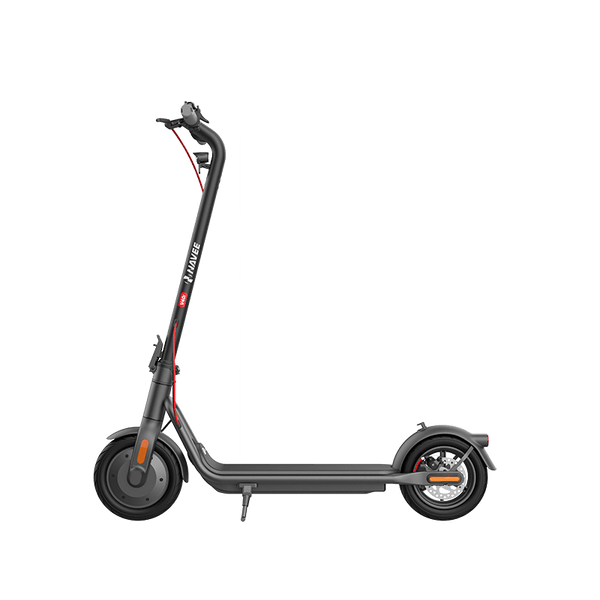
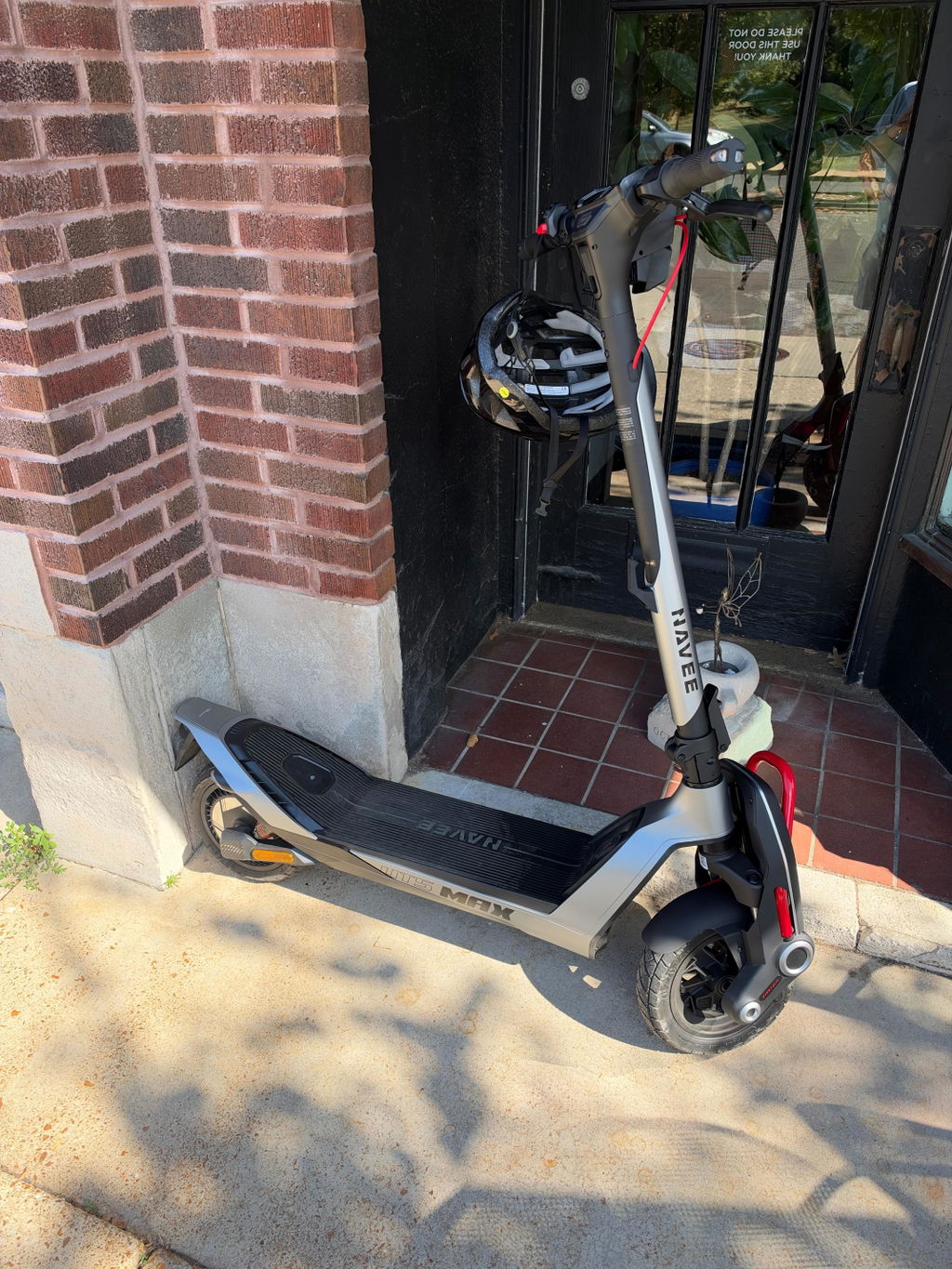
If you want a practical budget scooter for daily use, the NAVEE V40i Electric Scooter is worth considering. It offers up to 25 miles of range, a 700W max motor, 10-inch pneumatic tires, turn signals, and a foldable design, making it a solid fit for short commutes, campus rides, and last-mile trips.
Premium Electric Scooters: Why They Cost More
The Perks: Extended Range and Stronger Motors
Premium electric scooters unlock true car-replacement potential. Equipped with dual motors and massive voltage systems, they effortlessly accelerate to speeds over 25–30 mph and hold that speed even when climbing steep urban inclines. They also offer the peace of mind of a massive battery, letting you ride all day without range anxiety.
Ride Quality: Better Comfort on Rough Roads
With dual hydraulic or spring suspension setups and chunky 10-inch tires, premium scooters ride like luxury SUVs. They glide over cobblestones, train tracks, and potholes with ease. They also offer wider decks and taller handlebars, giving you a much more stable and ergonomic stance for longer rides.
The Verdict: When Premium is Worth the Money
If you weigh over 200 lbs, face steep hills on your daily route, have a round-trip commute longer than 12–15 miles, or plan to completely replace public transit or a car, investing in a premium scooter is a matter of safety, comfort, and long-term durability.
A Premium Pick to Consider
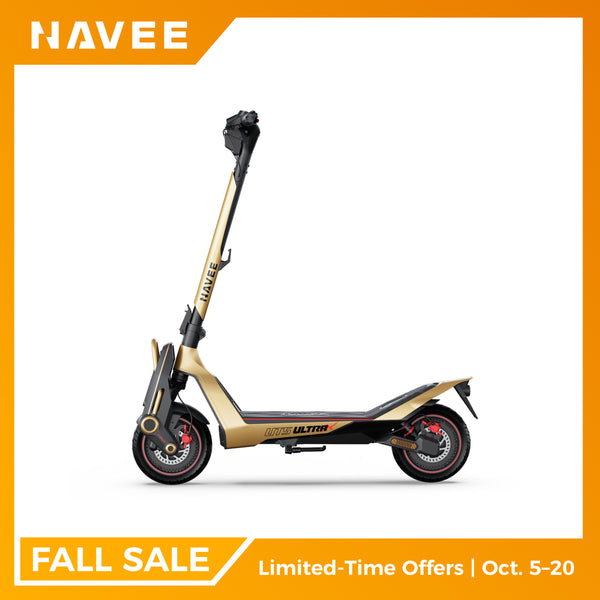
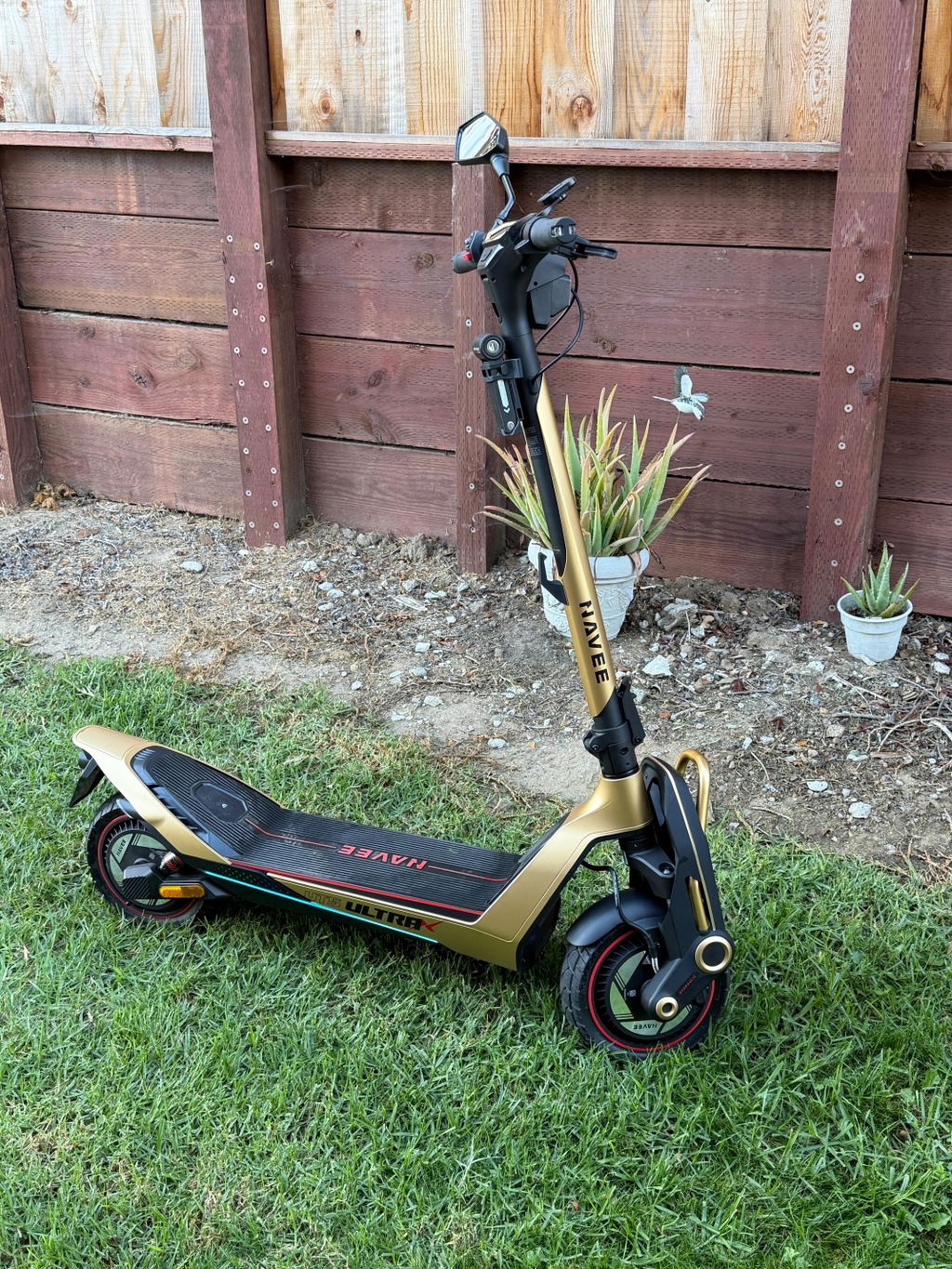
For riders who want premium-level range, power, and road comfort, the NAVEE UT5 Ultra X SuperScooter is worth a look. It features dual 2400W max motors, up to 74.6 miles of range, a 43 MPH max speed, dual hydraulic suspension, and TCS anti-slip control, making it a better fit for long rides, steep hills, and rougher city roads.
Side-by-Side: Budget vs. Premium Comparison Matrix
To see how these two worlds stack up visually, here is a quick-reference guide to what your money actually buys:
| Feature / Spec | Budget Models (Under $500) | Premium Models ($1,500+) |
|---|---|---|
| Top Speed | 12–20 mph | 25 – 45+ mph |
| Real-World Range | 7 – 12 miles | 25 – 50+ miles |
| Suspension | None (or Rear Disc) | Dual hydraulic or adjustable spring |
| Braking System | Single electronic or mechanical disc | Dual hydraulic disc brakes |
| Hill Climbing | Slows down heavily on gentle slopes | Easily conquers steep inclines (15%+ grades) |
| Portability | Light & compact (Under 35 lbs) | Heavy & bulky (50 – 80+ lbs) |
How to Choose the Right Electric Scooter for Your Budget
Before you pull out your credit card, follow these four practical steps to avoid buyer's remorse.
Step 1: Calculate Your Daily Riding Distance
Map out your exact daily route and double it for a round trip. Because real-world range drops drastically due to cold weather, hills, and riding at max speed, always look for a scooter with an advertised range that is at least double your actual daily requirement.
Step 2: Evaluate Your Local Hills and Road Conditions
Be realistic about your local terrain. If your city is full of broken sidewalks, gravel paths, or steep hills, an un-suspended budget scooter will give you a brutal, uncomfortable ride and wear out the motor quickly.
Step 3: Map Out Your Must-Have Features
Do you need to carry the scooter onto a crowded bus or up three flights of stairs? Put a premium on portability and weight. Do you plan on riding at night? Look for models with bright, high-mounted headlights and built-in turn signals.
Step 4: Leave Room for Safety Gear
Don't spend every last cent of your budget on the scooter itself. Always save at least $50 to $100 for a high-quality, certified helmet. If you are buying a premium scooter that goes over 20 mph, you should also budget for a motorcycle-grade or full-face helmet, a heavy-duty U-lock, and a phone mount.
Common Mistakes to Avoid When Buying
- Shopping solely for the lowest price: A $199 mystery scooter off an online marketplace might seem like a steal until the battery stops holding a charge in three months and you realize there is no customer support line to call.
- Trusting the listed range too much: Manufacturers test range under absolute perfect, unrealistic conditions. Always subtract 30% to 40% from the advertised range to get a realistic idea of how far it will go on a single charge.
- Ignoring scooter weight: A high-performance premium scooter looks incredibly cool, but lugging a 75-pound machine into an office elevator or a car trunk will quickly become a miserable chore if you need to do it daily.
- Choosing more speed than you need: Many cities and bike paths legally cap electric scooter speeds at 15 or 20 mph. Buying a massive 45-mph hyperscooter is a waste of money if you can never legally unlock its full potential without getting a ticket.

Final Thoughts
Finding the right electric scooter is not about buying the most expensive model. It is about choosing the right features for your daily route, riding distance, and comfort needs. If you only need a simple ride for short city trips, a budget-friendly model may be enough. But if you want more power, longer range, and better ride quality, a premium scooter can be worth the extra cost.
To compare models for different budgets and riding needs, explore NAVEE electric scooters and find the one that fits your daily commute best.
FAQs
1. How much should I spend on my first electric scooter?
For most beginners, the ideal sweet spot is between $400 and $700. This price range gets you a reliable, safe, and well-built commuter scooter from an established brand without overwhelming you with enthusiast-level weight or unsafe speeds.
2. How long does an electric scooter usually last?
A good electric scooter can usually last 2 to 5 years with normal use. Battery care, rider weight, road quality, weather exposure, and maintenance habits all affect its lifespan.
3. Is a $300 electric scooter worth it?
Yes, but only if you have realistic expectations. A $300 scooter is excellent for flat, short distances—like cruising around a college campus or riding a few blocks to a bus station. However, it will not handle steep hills, rough terrain, or heavy daily wear and tear.
4. Is it cheaper to own an electric scooter than drive a car?
By a landslide. Aside from the massive savings on the initial purchase price, charging an electric scooter costs pennies a day (roughly $20 to $60 a year in electricity). When you factor in the money saved on gas, insurance, oil changes, and parking fees, an electric scooter usually pays for itself within 3 to 6 months.
More reading: How Much Does an Electric Scooter Cost?
Compartir:
Best Electric Scooter for Seniors: Stability, Portability, and Safety Features
What Are The Best Heavy-Duty Electric Scooters For Adults Over 300 Lbs?