


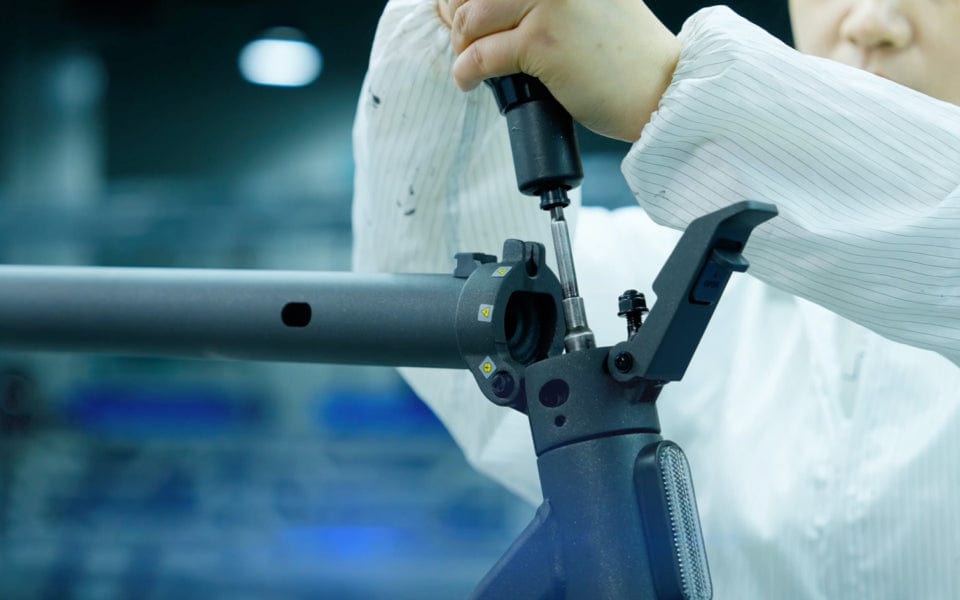
An electric scooter is one of the easiest vehicles to own, but it still needs regular attention. A few minutes of care each month keeps the ride smooth and safe, while skipped maintenance shows up later as a weak brake, a flat tire or a battery that no longer holds a charge. This guide organizes the work into a simple monthly, seasonal and annual schedule.
Why a Schedule Matters
Longer Lifespan
Most scooter problems start small. A slightly loose bolt, a tire a few PSI(Pounds per Square Inch) low or a dry hinge rarely causes trouble on its own, but wear builds quickly when these issues go unnoticed. A routine catches them early and helps the battery, motor and brakes last longer.
Well-maintained electric scooters can stay reliable through thousands of miles. Daily commuters benefit most. A model like the NAVEE GT3 Pro, with a 1000W motor and a 37.3-mile rated range, works its tires, brakes and battery hard every day, so routine care pays off quickly.
Safety Benefits
Brakes, tires, steering and lights are the parts that keep you safe in traffic. Checking them on a schedule lets you spot a weak brake or worn tire before it affects stopping distance or grip. Speed raises the stakes. On a scooter with a 31 MPH top speed, such as the NAVEE NT5 Max, a weak brake leaves far less margin for error than on a 15 MPH commuter.

Fewer Repairs and Warranty Coverage
Preventive care is almost always cheaper than fixing a failure. New brake pads cost far less than a damaged disc, and a battery that is charged and stored properly avoids an expensive replacement.
Eligible NAVEE products carry up to a 2-year warranty, and simple maintenance records help if a claim is ever needed. Review the warranty coverage to see which repairs and parts are included and what could affect eligibility.
Checklist at a Glance
This table shows how the work is spread across the year. The sections below explain each task.
| Frequency | Key Tasks | Typical Time |
|---|---|---|
| Monthly | Tires, brakes, bolts, lubrication, cables, cleaning, battery and range test | 30 to 45 minutes |
| Seasonal | Spring tune-up, summer heat care, fall wet weather prep, winter riding and storage | 20 to 30 minutes per season |
| Annual | Brake service, tire and tube replacement, bearings, motor and controller check, firmware updates, professional tune-up | 1 to 2 hours, or a shop visit |

Monthly Maintenance Checklist
Tire Pressure and Tread
Check tire pressure at least once a month, and more often if you ride daily. The recommended range is usually printed on the tire sidewall or listed in the manual. Under-inflated tires reduce range, make steering feel sluggish and raise the risk of a pinch flat.
Also inspect the tread. Replace a tire if you see:
- Cracks in the sidewall or tread
- Flat spots or uneven wear
- Embedded glass, metal or other debris
- Repeated punctures
Brake Adjustment and Pads
Squeeze each brake lever. It should engage firmly without touching the handlebar grip. If the lever feels soft or the scooter takes longer to stop, adjust cable tension or bleed hydraulic brakes as described in the manual.
Then look at the pads through the caliper. Replace them when the pad material is very thin or the manual's wear limit has been reached. Make sure the disc runs straight and is free of oil or grease.
Bolts and Folding Mechanism
Vibration slowly loosens fasteners. Check the handlebar clamp, stem, fenders, brake calipers and axle bolts, and snug anything that has worked loose. Then fold and unfold the scooter a few times. The latch should lock firmly with no play or rattling. A wobbly folding joint should be fixed before the next ride.
Lubricating Moving Parts
A small amount of the right lubricant keeps hinges and latches moving freely. Apply it to the folding joint, kickstand pivot and exposed cable ends, then wipe away the excess so it does not attract dirt. Keep lubricant off brake discs and pads at all times.
Cables and Wiring
Look along the brake cables, throttle cable and visible wiring for fraying, kinks or pinched sections. Pay special attention near the folding joint and handlebars. Connectors should sit firmly and stay free of moisture and corrosion. Repair any damaged wire before riding again.
Cleaning the Frame and Deck
Wipe the frame, deck and stem with a damp cloth and mild soap. Avoid spraying water directly at the motor, battery compartment, display or charging port. A clean scooter is also easier to inspect, since cracks, leaks and loose parts stand out once the grime is gone.
Battery and Range Test
Once a month, compare your real-world range with what you normally get. Manufacturer range ratings come from specific test conditions. The GT3 Pro, for example, is rated at 37.3 miles at 9 mph, and the longer-range GT3 Max at 46.6 miles. Higher speeds, heavier riders, hills and cold weather all cut into those numbers, so your own baseline is the more useful benchmark.
A noticeable drop from that baseline can point to battery wear, low tire pressure or a dragging brake. Check the battery indicator and charging port for damage or debris at the same time.

Seasonal Maintenance Guide
Spring Tune-Up
If the scooter sat unused over winter, give it a full check before the first ride. Inflate the tires, test the brakes, tighten hardware and charge the battery completely. During the first few miles, listen for new noises from the wheels, motor or folding joint.
Summer Heat Care
Heat is hard on lithium-ion batteries. Avoid leaving the scooter in a hot car or in direct sun for long periods, and let the battery cool before plugging it in after a ride. Warm weather also raises tire pressure, so check it more often. Hot pavement softens rubber and can speed up tire wear.
Fall Wet Weather Prep
Wet leaves and rain reduce traction and stopping power, so confirm that the tread is in good shape and the brakes respond quickly. Dry the scooter after every wet ride and make sure connectors and the charging port stay dry. Test the lights as well, since shorter days mean more riding in low light.
Winter Riding and Storage
Cold weather shrinks battery range and makes charging more sensitive. Bring the scooter indoors after a ride, and let the battery warm to room temperature before charging. For storage lasting several weeks, keep the scooter indoors with the battery about half charged and check it once a month.
Annual Maintenance Checklist
Full Brake Service
Once a year, go beyond the monthly check. Replace worn pads, inspect the discs for warping or deep grooves, and replace or adjust cables. On hydraulic systems, check the fluid level and look for leaks. Brakes are a safety component, so leave the work to a technician if you are not confident doing it yourself.
Tire and Tube Replacement
Tires and tubes age even when they look fine, since rubber hardens and cracks over time. Replace them this year if they are near the end of their life, rather than waiting for a flat.
Choose e-scooters replacement parts that match your model. Each product page lists compatible models, and tires, tubes and brake pads can usually be installed at home with basic tools. Battery packs, controllers and other electrical parts are better left to a professional.
Bearings and Suspension
Lift each wheel and spin it by hand. It should turn smoothly and quietly, with no grinding or side-to-side play. Inspect any suspension parts for leaks, cracks or loose mounting points. Worn bearings and tired suspension make the ride rough and add stress to the frame.
Motor and Controller Check
A basic check does not require opening anything. Listen for unusual motor sounds and watch for jerky acceleration or error codes on the display. High-power models work harder on climbs, so note how warm the motor area feels after a hilly ride. Excessive heat or persistent error codes should be diagnosed by a professional.
Firmware Updates
Many modern scooters receive updates through a companion app. Once or twice a year, connect the scooter and install the latest firmware. Updates can improve battery management, ride modes and reliability, even when everything seems fine.
Professional Tune-Up and Repair Costs
A yearly professional inspection is worthwhile, especially for daily riders. A technician can spot internal wear, weak connections or early battery decline that is hard to see at home. When a repair comes up, this breakdown of e-scooter repair costs can help you decide between fixing and replacing.

Battery Care Tips
Best Charging Habits
Use the charger that came with the scooter rather than a generic replacement. For daily riding, many owners keep the charge between roughly 20%-80% to slow battery aging, though the manufacturer's guidance should come first. Avoid leaving the scooter plugged in for days after it reaches full charge, and never charge it on a surface that traps heat, such as a bed or couch.
The U.S. Consumer Product Safety Commission recommends staying nearby while a lithium-ion device charges and never charging it while you sleep. More advice is available in these micromobility safety tips.
Safe Storage and Fire Safety
Store the scooter in a cool, dry place away from heat sources, flammable materials and exits. Avoid garages that get extremely hot or freezing. Stop using the battery and have it inspected if you notice any of these signs:
- Swelling or a change in shape
- A strong or unusual odor
- Excessive heat while charging or riding
- Leaking or smoke
A deeper look at warning signs and habits that lower risk is available in this guide to electric scooter fire safety.
Tools and Supplies
Basic Toolkit
A small set of tools covers most monthly tasks:
- Allen keys and a small adjustable wrench
- Tire pressure gauge and portable pump
- Tire levers and a patch kit or spare tube
- Torque wrench, if the manual lists torque values
- Screwdriver set and a few zip ties
Lubricants and Cleaners
Use a light lubricant made for bicycles or small mechanical parts on hinges and pivots, and mild soap with a soft cloth for cleaning. Harsh solvents can damage plastic, cables and seals. Contact cleaner works well on connectors, but check the manual before using any chemical near the electronics.
Maintenance Log Template
What to Track
A simple log turns guesswork into a clear history. Record the date, approximate mileage, the task performed and any parts replaced. The sample entries below show the format, and the layout can be copied into a notebook or spreadsheet.
| Date | Mileage | Task Performed | Parts or Notes |
|---|---|---|---|
| Jan 5 | 120 miles | Tire pressure check, bolt tightening | Front tire at recommended PSI |
| Feb 3 | 165 miles | Brake pad inspection, lubricated folding joint | Pads at about half wear |
| Mar 10 | 230 miles | Cleaned frame, battery and range test | Range matches baseline |
| Apr 2 | 290 miles | Spring tune-up, replaced rear tire | New tire installed |
Boosting Resale Value
A documented history gives buyers confidence that the scooter was cared for. A log paired with receipts for tires, brake pads or battery service can support a better price and a faster sale.
Conclusion
A good maintenance schedule does not need to be complicated. Check tires, brakes and bolts every month, adjust your routine for the weather each season and schedule a deeper inspection once a year. Charge and store the battery carefully, and keep a simple log of every task and replacement.

FAQ
How often should I service my electric scooter?
Do a quick check before rides, a fuller review once a month, a seasonal check as the weather changes and a deeper inspection once a year. Daily commuters and riders in wet conditions may want to check tires and brakes more often.
When should I replace scooter tires?
Replace them when the tread is worn down, the rubber is cracked, flat spots appear or punctures keep happening. Even tires that look fine can harden with age, so inspect them closely every year.
How often should I charge the battery?
Charge it whenever it runs low, and avoid draining it completely on a regular basis. Charging to full before longer trips is fine. Always follow the manufacturer's charging instructions.
How should I store my scooter in winter?
Store it indoors in a dry place with the battery about half charged. Let it reach room temperature before charging, and check the battery and tires once a month.
How much does yearly maintenance cost?
It depends on how much you ride and which parts wear out. Basic supplies and simple wear items are usually affordable, while a professional service or battery replacement costs more. Regular care generally keeps the yearly total lower than waiting until something fails.
Compartir:
How to Check if Your Electric Scooter Is Going to Catch Fire?
Why Need an Electric Beach Wagon for Easier Outdoor Trips?