



Electric scooters have become one of the most convenient ways to get around, but a news story about a scooter battery catching fire is enough to make any rider nervous. These fires are rare, and most are preventable once you understand why they happen and what to watch for. This guide covers the causes behind scooter fires, the warning signs that come before them, and the habits that keep a battery safe for years of riding.
Key Takeaways
- Most scooter fires start with thermal runaway, a chain reaction inside a damaged or overheated battery cell.
- Swelling, unusual heat, strange smells, and hissing or popping sounds are the clearest warning signs of a failing battery.
- A monthly inspection, the correct charger, and a non-flammable charging spot prevent the majority of incidents.
- If a battery shows any warning sign, stop use immediately and contact the manufacturer rather than attempting a repair.
Why Electric Scooter Fires Happen
Lithium-Ion Battery Basics
Most electric scooters run on lithium-ion batteries, the same technology used in laptops and phones, just scaled up to handle higher power demands. These batteries store a large amount of energy in a small space, which is what gives scooters their range and speed. That same energy density is also the risk factor: if something goes wrong inside a cell, the stored energy can release very quickly as heat. This chain reaction is called thermal runaway, and it is the underlying cause of nearly every scooter battery fire on record.
Common Causes of Failure
A battery rarely fails without a clear trigger. The most frequent causes include:
- Physical damage from drops, water exposure, or riding through deep puddles
- Charging with a charger that does not match the scooter's voltage and current requirements
- Charging in extreme heat or leaving the scooter connected for days at a time
- Manufacturing defects in low-quality or uncertified battery cells
- Wear on wiring or connectors that builds up over years of regular use
Reputable manufacturers test their batteries against recognized safety standards, such as UL 2272, which governs the electrical and fire safety of personal e-mobility devices. Choosing a scooter certified to this standard is one of the simplest ways to reduce risk before a single ride.
For a closer look at what these certifications cover, see this explanation of electric scooter safety certifications.

Warning Signs to Watch For
A scooter usually signals trouble before a fire actually starts. The table below outlines the most common warning signs and what they typically indicate.
If any of these signs appear, it is safer to stop riding and investigate right away than to assume the issue will resolve on its own.
| Warning Sign | What It Likely Means |
|---|---|
| Swelling or bulging battery pack | Internal cell damage or gas buildup; stop use immediately |
| Unusual heat during charging | Faulty charger, damaged cells, or a wiring fault |
| Strange or chemical smells | Overheating battery or melting insulation |
| Hissing or popping sounds | Active thermal runaway, a serious safety risk |
| Slower charging or reduced range | Battery degradation that should be inspected |
| Visible damage or frayed wires | Exposed wiring with a risk of short-circuiting |
How to Inspect Your Scooter
Tools You Need
A basic safety check requires very little: a flashlight, a soft cloth, and a few spare minutes. For a more detailed check, a non-contact infrared thermometer makes it easy to spot hot spots during charging without touching any components directly.
Step-by-Step Inspection
- Check the battery compartment for swelling, warping, or discoloration.
- Inspect the charging port and cable for bent pins, corrosion, or fraying.
- Examine the frame and wiring for cracks, loose connections, or exposed wires.
- Feel the deck and battery area after a short ride to check for unusual heat.
- Plug in the charger and monitor it for the first ten minutes, watching for any unusual smell, sound, or heat.
How Often to Check
A quick visual check before each ride takes only a few seconds and can catch obvious problems early. A more thorough inspection once a month, or after any hard bump or fall, is a good habit for regular riders. If a scooter is several years old or already showing any of the warning signs above, it may be worth comparing it against models built with UL 2272-certified batteries and a battery management system (BMS) that guards against overcharging, overcurrent, and overheating, such as NAVEE electric scooters.

Safe Charging Habits
Use the Right Charger
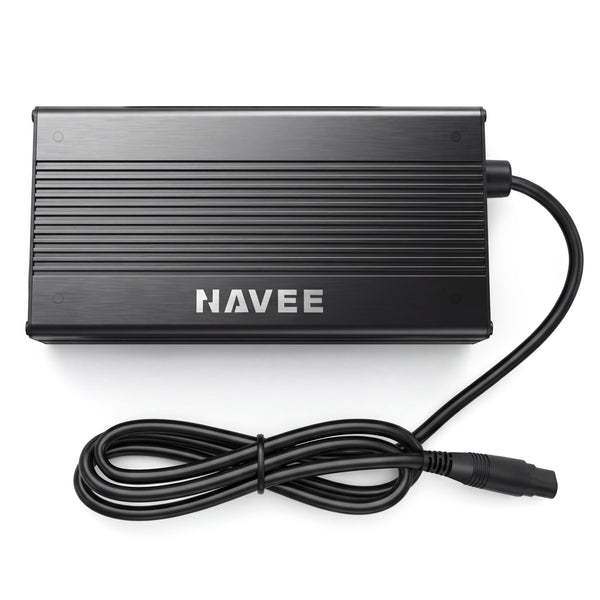
A mismatched charger is one of the leading causes of battery damage. Charging should always be done with the charger that came with the scooter, or with a genuine NAVEE replacement charger matched to the original voltage and current specifications if the original charger is lost or worn out. A charger with the wrong rating can overheat a battery even when every other part of the scooter is in good condition. The U.S. Consumer Product Safety Commission advises using only the supplied charger and staying present while a device charges, rather than charging overnight or unattended.
Where to Charge
Charge the scooter on a hard, non-flammable surface, away from curtains, bedding, or anything else that could ignite quickly. A garage, an entryway, or a spot near a smoke detector is a far better choice than a bedroom or a pile of laundry.
Avoid Overcharging
Unplug the scooter once it reaches a full charge rather than leaving it connected overnight or for several days. Most modern scooters include some protection against overcharging, but consistently leaving a battery at 100 percent for long stretches can still accelerate wear and, in rare cases, contribute to overheating.
What to Do If You Spot a Risk?
Immediate Steps
If swelling, smoke, or a strong chemical smell appears, unplug the charger immediately if it is connected, move the scooter outdoors and away from anything flammable, and avoid touching the battery pack directly.
When to Stop Riding?
Stop riding immediately if heat builds up during use, the battery looks swollen or misshapen, or a burning smell appears while the scooter is powered on. Continuing to ride on a compromised battery significantly raises the risk of failure.
When to Contact the Manufacturer?
If an inspection turns up anything concerning, the manufacturer's support team should be contacted before attempting any repair, including opening the battery casing. Battery problems are rarely suited to a do-it-yourself fix, and most reputable brands offer warranty support or replacement parts for exactly this kind of situation.
FAQs
How do I know if my scooter battery is dangerous?
Swelling, unusual heat, odd smells, or popping and hissing sounds, especially during charging, are the clearest signs of a failing battery.
Any of these warning signs calls for an immediate stop in use and a closer inspection.
Can a scooter catch fire while not in use?
Yes, although it is less common. A damaged or defective battery can still overheat while sitting idle, which is why storing a scooter away from flammable materials matters even when it is not charging or being ridden.
Is it safe to charge my scooter overnight?
It is best avoided. While many scooters include overcharge protection, unplugging once the battery is full reduces stress on the cells and lowers the already small risk of overheating.
What should I do if my scooter starts smoking?
Move it outdoors immediately, away from anything flammable, and never attempt to extinguish a lithium battery fire with water. Local fire services should be contacted if the situation escalates.
Share:
Getting Started with Electric Power Wagons: Features, Benefits, and Buying Tips
Electric Scooter Maintenance Schedule: Complete Checklist