


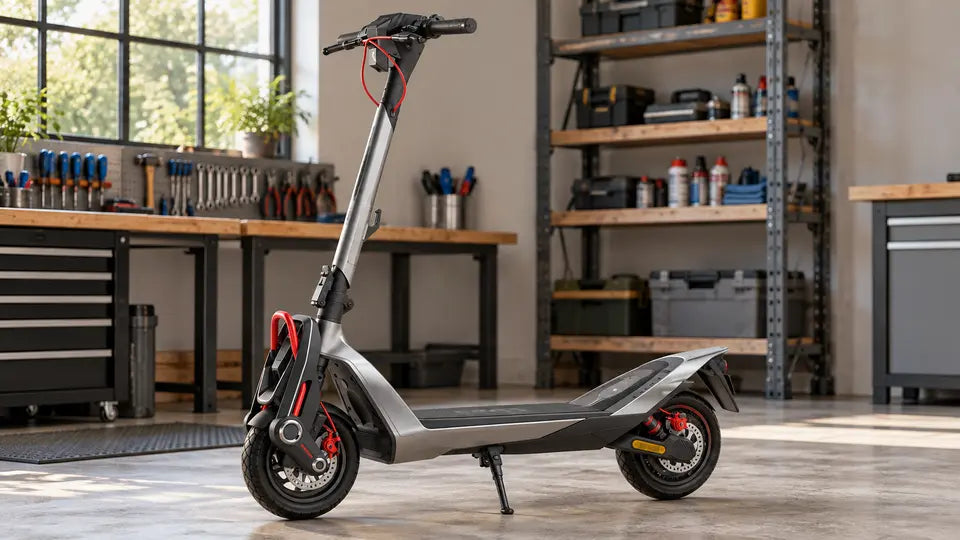
Daily commuting and performance riding can wear out scooter parts in different ways. Frequent stops gradually wear the brakes, while faster riding makes them work harder when you slow down. Suspension can make rough roads more comfortable, but it also adds moving parts that need attention.
Commuter scooters often have simpler maintenance needs. Performance models may require more work on their brakes and suspension, but actual wear depends on how far, how fast, and where you ride. A commuter used every day on steep streets may need servicing sooner than a performance scooter used occasionally on flat roads.
Understanding these differences helps you choose a scooter, spot worn parts, and plan for repairs.
What Changes Maintenance Needs?
Commuter scooters are built mainly for everyday transportation. Performance models put more emphasis on acceleration, hill climbing, or higher speeds. Some scooters serve both purposes, so look at the actual components when comparing maintenance needs.
Daily Mileage and Riding Style
Short trips add up when you ride throughout the week. Frequent stops wear brake pads or shoes whenever those brakes help slow the scooter. Folding the scooter for transit or storage also means regularly checking its hinge and locking mechanism.
Hard braking, skidding, and spinning the drive wheel can increase wear over a shorter distance. Accelerating smoothly and slowing down early help reduce unnecessary wear on either type of scooter.
Speed, Hills, and Rider Load
A faster-moving scooter carries more energy that must be removed to bring it to a stop. At the same combined scooter and rider weight, doubling speed quadruples that energy. Brake wear does not increase by the same fixed amount, but repeated stops from higher speeds can produce much more heat.
Long downhill stretches keep the brakes working, while climbing makes the motor and battery work harder. A heavier rider or additional cargo increases these demands. Choose a scooter suited to your regular route and stay within its load limit.
Components and Upkeep
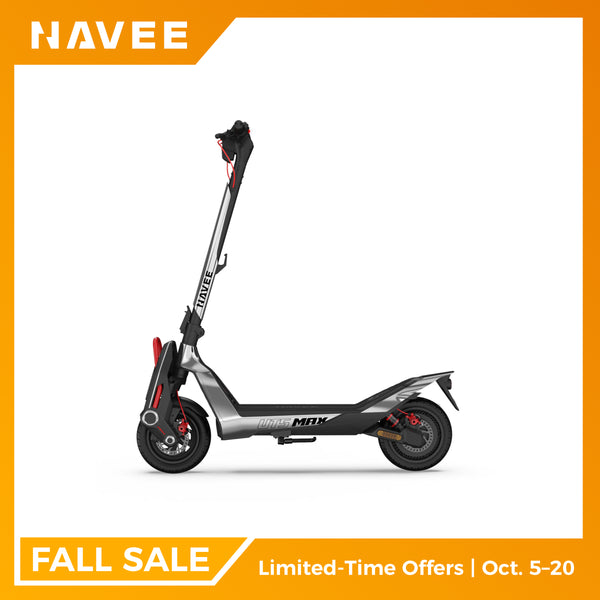
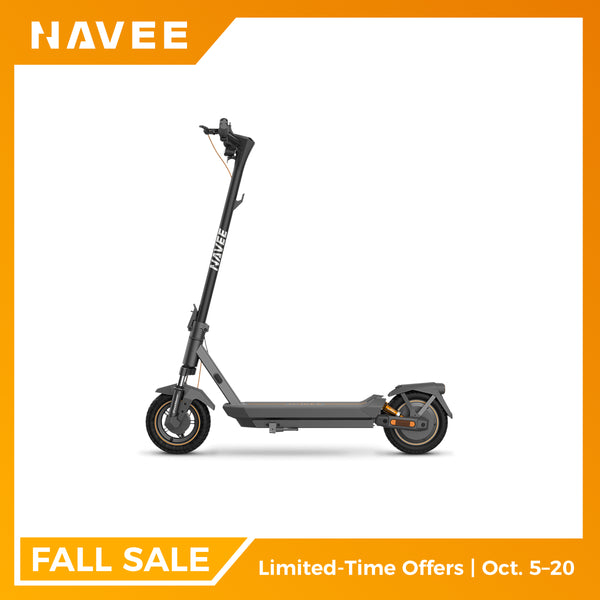
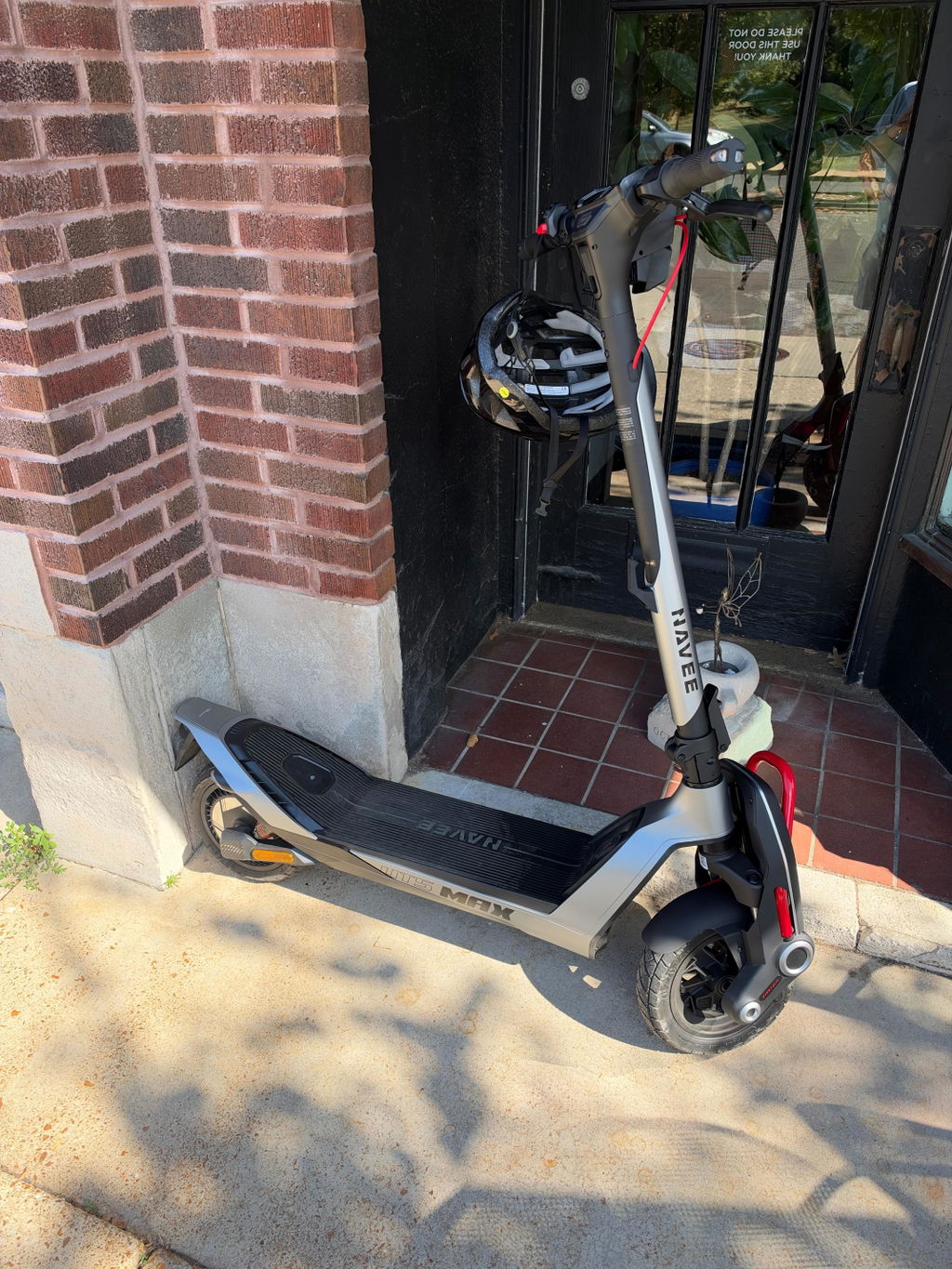
Compare the NAVEE GT3 for everyday commuting with the NAVEE UT5 Max for higher performance and routes that call for more capable suspension. The following specifications show the differences that matter for maintenance.
| Specification | NAVEE GT3 | NAVEE UT5 Max |
|---|---|---|
| Advertised maximum speed | 20 mph | 31.1 mph |
| Tires | 10-inch tubeless | 12-inch self-sealing tubeless |
| Brakes | Front drum brake and rear electronic braking | Front and rear disc brakes with electronic braking assistance |
| Suspension | Front fork and rear cylinder suspension | Front and rear hydraulic suspension |
For the GT3, routine care includes tire-pressure checks, checking the drum brake, and inspecting suspension mounts. The UT5 Max has disc pads and rotors at both wheels, plus hydraulic suspension that needs checks for oil leaks and changes in how it absorbs bumps.
The UT5 Max’s self-sealing tires can help seal certain small punctures. They still need pressure and tread checks. Its higher maximum speed also means greater braking demands when that extra speed is used.
These specifications identify what needs attention; they do not prove that one model’s parts will wear out sooner. Hydraulic suspension uses oil to control suspension movement and should not be confused with hydraulic brakes.
Which Parts Wear Out?
Tires and brake pads or shoes are common replacement items. Bearings, suspension joints, and folding hardware need regular inspections, but their replacement timing depends on condition and the model’s service instructions. Batteries gradually lose capacity as they age and are used.
Tires: Tread Wear and Punctures
Air-filled tires need the correct pressure to support the scooter and rider. Low pressure allows too much tire flex, makes the scooter harder to roll, and can contribute to damage. On a tire with an inner tube, a sharp impact can pinch the tube against the rim.
Tubeless tires have no inner tube, but air can still escape through a puncture, the valve, or the seal between the tire and rim. Solid tires avoid air leaks but can still wear, crack, or become damaged.
When checking your tires:
- Check whether the tread has reached its wear indicators or the manufacturer’s replacement limit.
- Look for cuts, cracks, bulges, or exposed reinforcing material.
- Note uneven wear or pressure that repeatedly drops.
Find the cause of a recurring leak instead of relying on repeated inflation. Tire pressure, road surfaces, and riding habits are more useful guides to tire life than motor power alone.

Brakes: Pads, Shoes, and Rotors
Disc brakes stop the wheel by pressing pads against a metal disc, also called a rotor. Both parts wear with use. Cable-operated disc brakes may need adjustments to cable tension and the gap between the pads and rotor.
Most hydraulic disc brakes adjust for pad wear automatically. The pads and rotors still need inspection, and the hydraulic system needs servicing as specified by its manufacturer.
Drum brakes use friction shoes inside a housing. That housing protects the braking surfaces from some road debris, but the shoes, cable, and adjustment mechanism still need attention.
Use the manufacturer’s wear limits when inspecting brake parts. Persistent rubbing, grinding, weaker braking, or a noticeable change in how far the lever moves needs investigation. Noise alone does not confirm worn-out parts, but reduced braking performance should never be ignored.
Electronic braking uses the motor to help slow the scooter. Regenerative braking also sends some energy back to the battery. Not every electronic braking system necessarily does both, and neither removes the need to maintain the friction brakes.

Suspension, Bearings, and Folding Joints
Bumps repeatedly put force through suspension mounts and joints. Inspect these areas for loose mounts, worn bushings, and excessive movement. On oil-damped suspension, check for leaks and changes in how the suspension compresses and returns.
Wheel and steering bearings can become rough or loose. Folding hinges and latches must continue to hold the stem securely. A new clunk or wobble needs a proper diagnosis; tightening bolts cannot fix a worn bearing or damaged hinge.
Follow the component’s cleaning and lubrication instructions. Keep lubricant off brake pads, rotors, and tire tread, and do not add it to sealed components unless the manufacturer specifies a procedure.

Batteries: Aging and Capacity Loss
Battery capacity gradually declines with age and repeated charging and use. Heat can speed up that process. Riding hard may use more energy and generate more heat, but battery design and charging habits also affect its lifespan.
A larger battery may use a smaller percentage of its capacity on the same trip. Its size alone does not mean it will age faster.
Before assuming a shorter ride means battery wear, compare trips at similar speeds and in similar weather. Check tire pressure and whether the brakes are rubbing. One cold or windy ride is less useful for judging battery health than a consistent loss of range under similar conditions.
How Maintenance Differs
Both scooter types need the same basic checks. Inspect more often when you ride frequently, tackle long descents, or travel over rough surfaces. Use the exact model’s manual for pressure values, service intervals, and adjustment instructions.
Tire Pressure and Brake Checks
Before riding, check for visible tire damage and confirm that the brakes respond normally. A tire can look properly inflated even when its pressure is too low.
Use a gauge when the tires are cold, before riding. Follow the manual’s pressure-check interval and check sooner when you suspect a leak or after a significant impact. Give the brakes closer attention after repeated hard stops or long downhill rides.
Suspension and Fastener Inspections
Make sure the folding mechanism locks fully and the handlebars, wheels, and suspension mounts remain secure.
Follow the specified tightening procedure and torque, which is the amount of turning force applied to a bolt. Overtightening can damage threads or prevent parts from moving correctly. Use the electric scooter maintenance checklist to organize routine care, then follow your model’s manual for adjustments.
Charging and Battery Care
Use the manufacturer-approved charger and charge only within the permitted temperature range. Let a normally functioning battery that is too warm or cold return to that range before charging.
Store the scooter in a dry place away from excessive heat. During extended storage, follow the model’s instructions for charge level and when to recharge it.
When to Seek Professional Service
Stop riding when a problem affects braking, steering, or the folding lock. Oil leaks, damaged wiring, and unusual or repeated battery overheating also need qualified attention.
Do not charge a swollen or visibly damaged battery or open its pack to attempt a repair. Hydraulic system work and bearing replacement can require specialist tools and skills.
Maintenance Costs
Your maintenance budget depends on how often parts need replacement, their prices, and the labor involved. For a daily commuter, time without the scooter matters too.
Replacement Parts and Labor
Budget first for tires and brake pads or shoes. Battery replacement is usually less frequent but can be a larger expense. Suspension and bearing repairs depend on the design and condition of the parts.
Performance models may cost more to service because they have additional brake parts, specialized tires, or hydraulic components. Access also affects the bill: replacing a tire on a motor-driven wheel may take more work than replacing one on a non-driven wheel.
Request separate estimates for parts and labor for your exact model. Record mileage and replacements so you can plan costs based on actual use.
Parts Availability and Compatibility
Match replacements to the exact scooter model and version. Tire diameter alone is not enough; width, rim fit, and tire construction also matter. Brake pads must fit the caliper, rotors must meet the specified dimensions, and electrical parts must match the approved specifications.
Check NAVEE replacement parts and confirm compatibility before ordering. Easy access to suitable parts and repair support can help you get back to commuting sooner.
FAQ
Do performance scooters need more maintenance?
They may need more involved servicing when they have additional brakes or more complex suspension. How often they need attention still depends on use. A daily commuter on steep roads may need more frequent checks than a lightly used performance scooter.
Which scooter parts wear out first?
Tires and brake pads or shoes are common early replacements. Road conditions, tire pressure, braking habits, and mileage determine which needs attention first. Other moving parts still need regular inspection.
How long do scooter tires and brakes last?
There is no reliable mileage figure for every scooter and rider. Follow the manufacturer’s wear limits and inspection instructions. Damage or reduced braking performance can require replacement before an expected mileage interval.
Do self-sealing tires still need maintenance?
Yes. Check their pressure, tread, and condition. The sealing layer can help close certain small punctures, but it cannot repair every leak, major cut, or damaged tire.
Does regenerative braking reduce brake wear?
It can reduce the work done by friction brakes when it helps slow the scooter. The amount of assistance depends on the system and riding conditions. Continue checking the mechanical brakes and replacing worn parts when needed.
Compartir:
Electric Work Carts for Festival Setup: A Practical Guide
Best Electric Scooters With App Control in 2026: Features That Matter