


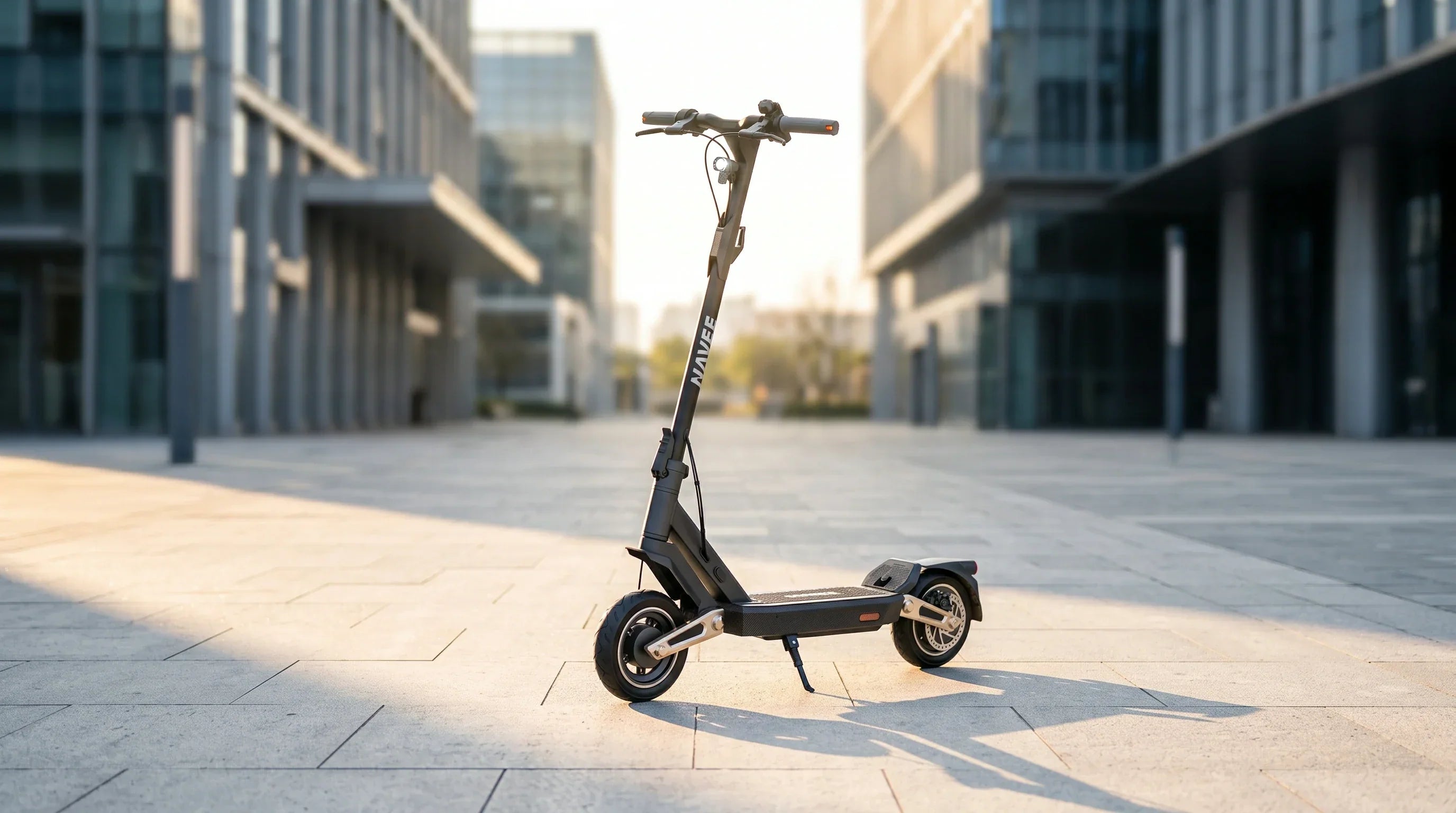
Buying an electric scooter involves more than comparing speed, range, and motor power. For many riders, especially those investing in a commuter or high-performance model, safety is one of the most important factors before making a purchase.
However, safety is difficult to judge online. Product pages often highlight visible specifications, while important details such as battery protection, electrical reliability, and testing standards are harder to evaluate.
Electric scooter safety certification helps buyers understand whether key components, such as batteries and electrical systems, have been tested according to recognized safety standards. However, certifications are only one part of a safe riding experience. Buyers should also consider battery protection, braking performance, build quality, and manufacturer support.
Understanding what these certifications mean can help you compare electric scooters more confidently and avoid products with unclear safety information.
Why Electric Scooter Safety Certifications Matter Before Buying
When shopping for an electric scooter, most buyers naturally focus on:
- Motor power
- Maximum speed
- Riding range
- Tire size
- Suspension
These specifications are important, but they do not tell the complete safety story.
Some of the most important components are hidden inside the scooter, including:
- Battery cells
- Charging systems
- Electrical wiring
- Controllers
- Protection systems
Safety certifications provide an additional reference point by showing that certain parts of the scooter have been evaluated against established standards. In the United States, organizations such as the Consumer Product Safety Commission (CPSC) have also emphasized the importance of battery safety and responsible use for micromobility products, especially as lithium-ion battery-powered devices become more common.
For buyers, certifications help answer questions such as:
- Has the battery system been tested?
- Does the scooter meet recognized safety requirements?
- Is the manufacturer transparent about product quality?
- Is this scooter suitable for long-term daily use?
However, certification should not be viewed as a guarantee that a scooter will never experience problems. It is one important factor to consider together with product design, maintenance, and responsible riding habits.

Common Electric Scooter Safety Certifications Explained
Different certifications focus on different safety areas. Understanding their purpose helps buyers know what each certification actually means.
UL 2272: Electrical System Safety For Electric Scooters
UL 2272 is one of the most recognized safety standards for personal electric mobility devices, including electric scooters. According to the UL 2272 standard for electrical systems in personal e-mobility devices, the evaluation focuses on potential risks related to the scooter’s electrical system, including components such as charging systems, wiring, controllers, and electrical connections.
For buyers, this means a scooter with UL 2272 certification has undergone evaluation designed to identify electrical safety risks, helping provide more confidence when comparing different models.
However, UL 2272 does not replace checking other safety factors. A scooter should also have reliable battery protection, quality mechanical components, and proper manufacturer support.
UL 2271: Battery Safety Standards For Electric Scooters
The battery is one of the most important components of an electric scooter.
UL 2271 focuses specifically on battery systems used in light electric vehicles. The UL 2271 battery safety standard for light electric vehicle applications evaluates battery-related safety considerations, helping manufacturers assess potential risks associated with lithium battery systems.
For buyers, this certification is especially relevant because the battery is one of the most important components affecting an electric scooter’s long-term reliability and safety.
When evaluating battery safety, buyers should also look for features such as:
- Battery Management System (BMS)
- Overcharge protection
- Overcurrent protection
- Temperature monitoring
Beyond certifications, battery chemistry and protection systems also influence long-term safety and performance. Learn more about electric scooter battery safety and how different battery technologies compare in our guide to electric scooter battery safety.
UN 38.3: Lithium Battery Transportation Testing
UN 38.3 is related to lithium battery transportation safety.
Lithium batteries used in electric scooters need to meet transportation requirements before they can be shipped. Testing may evaluate how batteries respond to conditions such as:
- Temperature changes
- Vibration
- Pressure changes
- Impact situations
For consumers, this certification provides additional confidence that the battery meets recognized transportation safety requirements.
CE, FCC, And RoHS Compliance
Besides battery-related standards, buyers may also see other compliance labels.
| Certification | Main Focus | What It Means For Buyers |
|---|---|---|
| CE | Product compliance in European markets | Shows the product meets applicable EU requirements |
| FCC | Electronic device requirements | Helps ensure electronic systems operate properly |
| RoHS | Material restrictions | Relates to restricted hazardous substances |
These certifications address different areas, so buyers should not assume one certification covers every aspect of electric scooter safety.
Which Electric Scooter Safety Certifications Should Buyers Look For?
There is no single certification that determines whether an electric scooter is safe. The right evaluation depends on how you plan to use the scooter.
For Battery Safety, Check More Than Certification Labels
If battery safety is your main concern, check:
- Whether the brand provides clear battery information.
- Whether the scooter includes battery protection features.
- Whether the manufacturer explains charging safety.
- Whether replacement and warranty support are available.
A reliable battery system combines testing standards with practical protection technology.
For Daily Commuting, Prioritize Reliability
Commuter riders usually charge their scooters frequently and depend on consistent performance.
Important factors include:
- Reliable electrical systems
- Battery durability
- Comfortable suspension
- Strong braking performance
A certification can provide confidence, but long-term reliability also depends on the overall engineering and support behind the product.

For Outdoor Riding, Consider Complete Safety Performance
If you ride on different surfaces or longer routes, also consider:
- Tire design
- Suspension capability
- Weather resistance
- Frame stability
- Lighting visibility
Certifications mainly evaluate specific components. They do not replace evaluating how the scooter performs in real riding conditions.
For example, braking performance is one of the most important factors affecting everyday riding safety. Learn more about how different electric scooter braking systems work in our electric scooter brakes guide.
How To Verify Electric Scooter Safety Claims Before Buying
Certification information is only useful when it can be trusted.
Before purchasing, follow these steps:
Check For Specific Certification Information
Reliable brands usually provide:
- Certification names
- Product specifications
- Safety-related details
- User manuals
Be cautious of vague claims such as:
- “International safety approved”
- “Premium safe battery”
- “Advanced protection technology”
without supporting details.
Compare Safety Information Between Brands
When comparing different scooters, look beyond price and performance.
Check:
- Battery specifications
- Protection systems
- Warranty coverage
- Replacement parts availability
- Customer support
A trustworthy brand usually provides clear information before purchase, not only after problems occur.

Do Safety Certifications Mean An Electric Scooter Is Completely Safe?
No.
Certifications confirm that certain components have passed specific safety evaluations, but they cannot eliminate every possible risk.
Real-world safety also depends on:
- Using the original charger
- Avoiding damaged batteries
- Following weight limits
- Performing regular maintenance
- Storing the scooter properly
For example, even a well-tested battery can be affected by improper charging habits or unauthorized modifications.
The best approach is to combine certified components with responsible ownership.
Electric Scooter Safety Checklist Before Purchase
Before choosing an electric scooter, use this checklist:
Battery And Electrical Safety
✓ Check available safety certifications
✓ Review battery protection features
✓ Confirm charger information
✓ Avoid products with unclear battery details
Riding Safety
✓ Check braking performance
✓ Consider suspension and tire quality
✓ Review lighting and visibility features
✓ Choose a scooter suitable for your riding environment
Brand Reliability
✓ Review warranty policies
✓ Confirm customer support availability
✓ Check whether replacement parts are available
This approach helps you evaluate the complete ownership experience instead of focusing on a single specification.
How NAVEE Focuses On Safer Electric Scooter Design
Choosing a reliable electric scooter requires balancing performance, comfort, and safety.
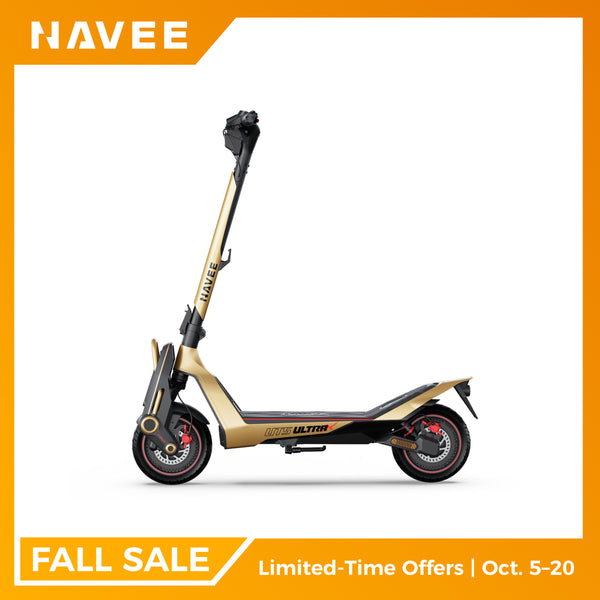
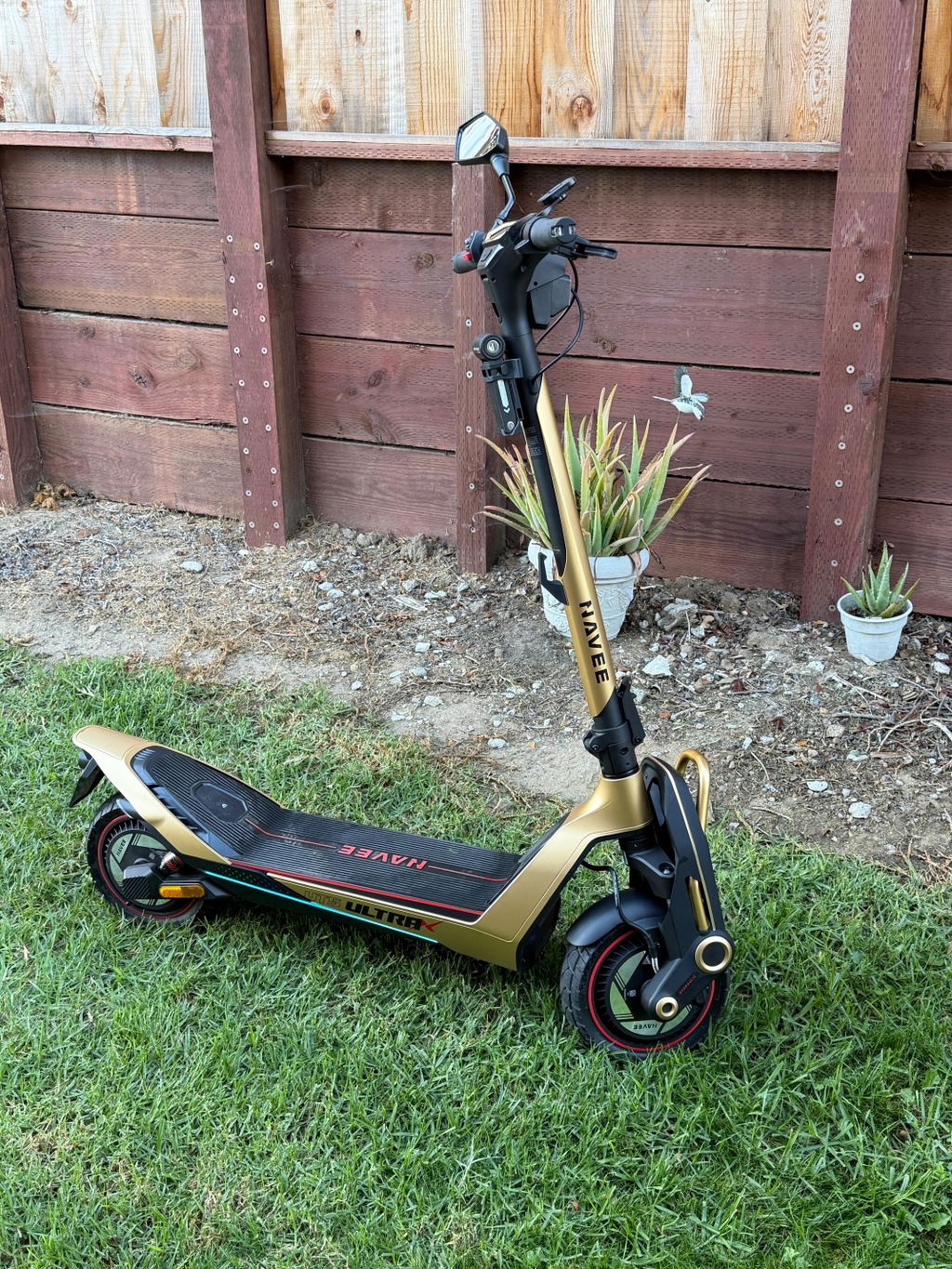
In addition to mandatory certifications such as UL and CE, NAVEE electric scooters are designed around everyday riding needs, combining practical features such as battery protection technology, reliable braking systems, comfortable ride control, and durable construction.
Whether you are looking for a commuter scooter for daily transportation or a more powerful model for longer rides, evaluating safety features alongside performance specifications can help you make a more confident decision.
Explore NAVEE electric scooters to find a model designed for your riding needs.
FAQs About Electric Scooter Safety Certifications
1. Are Electric Scooter Safety Certifications Important?
Yes. Certifications provide additional information about whether important components, such as electrical systems and batteries, have been evaluated according to recognized safety standards. They should be considered together with product quality, maintenance, and brand reliability.
2. What Is The Most Important Electric Scooter Safety Certification?
There is no single certification that covers every safety factor. UL 2272 focuses on electrical system safety, while UL 2271 focuses on battery systems. Buyers should consider which safety factors matter most for their riding needs.
3. Does UL Certification Mean An Electric Scooter Cannot Catch Fire?
No. UL certification shows that a product has passed specific safety testing requirements, but it does not remove all risks. Proper charging, maintenance, and responsible use are still necessary.
4. What Should I Check Besides Certifications When Buying An Electric Scooter?
Besides certifications, buyers should also evaluate:
- Battery protection systems
- Braking performance
- Suspension quality
- Lighting
- Warranty coverage
- Manufacturer support
A safe electric scooter is the result of multiple design and quality factors working together.
Share:
Is An Electric Dirt Bike An E-Bike, OHV, Or Motorcycle?
Remote Control Golf Caddies vs. Follow-Me Carts: How to Choose?