


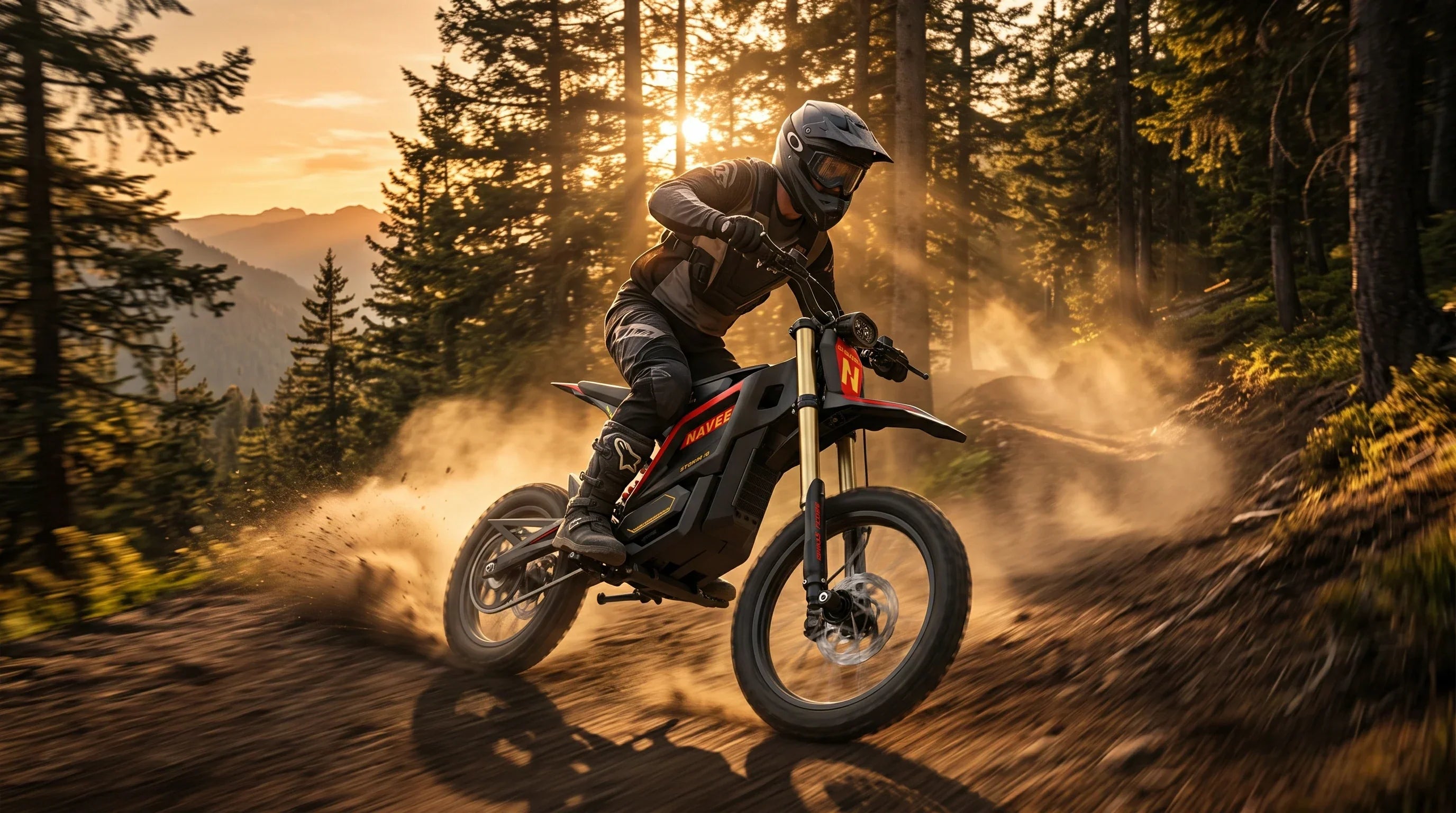
An electric dirt bike is generally closer to an off-road motorcycle or OHV (Off-Highway Vehicle) than a traditional e-bike. Although it uses an electric motor and battery, it is usually designed around off-road riding with features such as motorcycle-style frames, throttle control, knobby tires, and suspension systems built for uneven terrain.
However, the classification of an electric dirt bike is not determined only by the fact that it is electric. Factors such as whether it has pedals, how it is designed, its performance capabilities, and local regulations all influence how it is categorized.
For many buyers, this question is not just about understanding a definition. They want to know whether an electric dirt bike can replace an e-bike, whether it can be ridden on public trails or roads, and whether it is the right choice for their lifestyle.
Understanding electric dirt bike classification helps riders make a better decision before buying by clarifying the differences between electric dirt bikes, e-bikes, OHVs, and motorcycles.
How Electric Dirt Bikes Are Classified
The reason electric dirt bikes create confusion is that they combine characteristics from several vehicle categories. They use the same type of battery-powered technology found in e-bikes, but their design and riding experience are often much closer to off-road motorcycles.
Instead of classifying a vehicle only by its power source, riders should look at how it is built and what it is designed to do.
Why Electric Does Not Automatically Mean E-Bike
One of the most common misunderstandings is assuming that any vehicle with an electric motor belongs to the e-bike category.
Traditional e-bikes are designed around bicycle-style riding. They usually have pedals, a frame based on bicycle geometry, and electric assistance that supports cycling. Their main purpose is typically transportation, commuting, or recreational riding on roads and bike paths.
Electric dirt bikes are built differently. Many models do not include pedals and rely on throttle-based acceleration rather than pedal assistance. Their frames, tires, and suspension systems are designed to handle dirt trails, uneven surfaces, and off-road conditions.
The electric motor only describes how the vehicle is powered. It does not automatically determine whether the vehicle should be treated as an e-bike.
The Features That Separate Electric Dirt Bikes From Other Vehicles
The easiest way to understand an electric dirt bike is to look at its overall design.
A traditional e-bike focuses on efficiency and transportation, while an electric dirt bike focuses on control and performance in challenging environments. Components such as larger off-road tires, stronger frames, higher ground clearance, and longer suspension travel allow electric dirt bikes to handle terrain that would be difficult for standard bicycles.
The intended riding environment is also an important factor. A vehicle designed for daily commuting serves a different purpose from one designed for trails and outdoor recreation.
This difference in purpose is why many electric dirt bikes are considered closer to OHVs or motorcycles rather than traditional bicycles, even though both use electric power.

Electric Dirt Bike Vs E-Bike: What Is The Difference?
Many buyers compare electric dirt bikes and e-bikes because both are quiet, battery-powered, and easier to maintain than gas-powered vehicles. However, they are designed for different types of riders.
| Feature | Electric Dirt Bike | E-Bike |
|---|---|---|
| Primary use | Off-road riding and recreation | Transportation and commuting |
| Riding environment | Trails, dirt roads, uneven terrain | Roads, bike lanes, urban areas |
| Pedals | Usually not included | Usually included |
| Control style | Mostly throttle-based | Pedal assist or throttle |
| Suspension | Built for impacts and rough terrain | Built mainly for comfort |
| Tires | Off-road focused | Road or hybrid focused |
The biggest difference is not simply speed or motor power. It is the riding experience each vehicle is designed to provide.
An e-bike is usually the better option for riders who need practical transportation. It is easier to integrate into daily routines because it is designed around roads, bike paths, and shorter urban trips.
An electric dirt bike is better suited for riders who want outdoor recreation, trail riding, or a more motorcycle-like experience. Its suspension, tires, and frame design provide advantages when riding over dirt, rocks, and uneven surfaces.
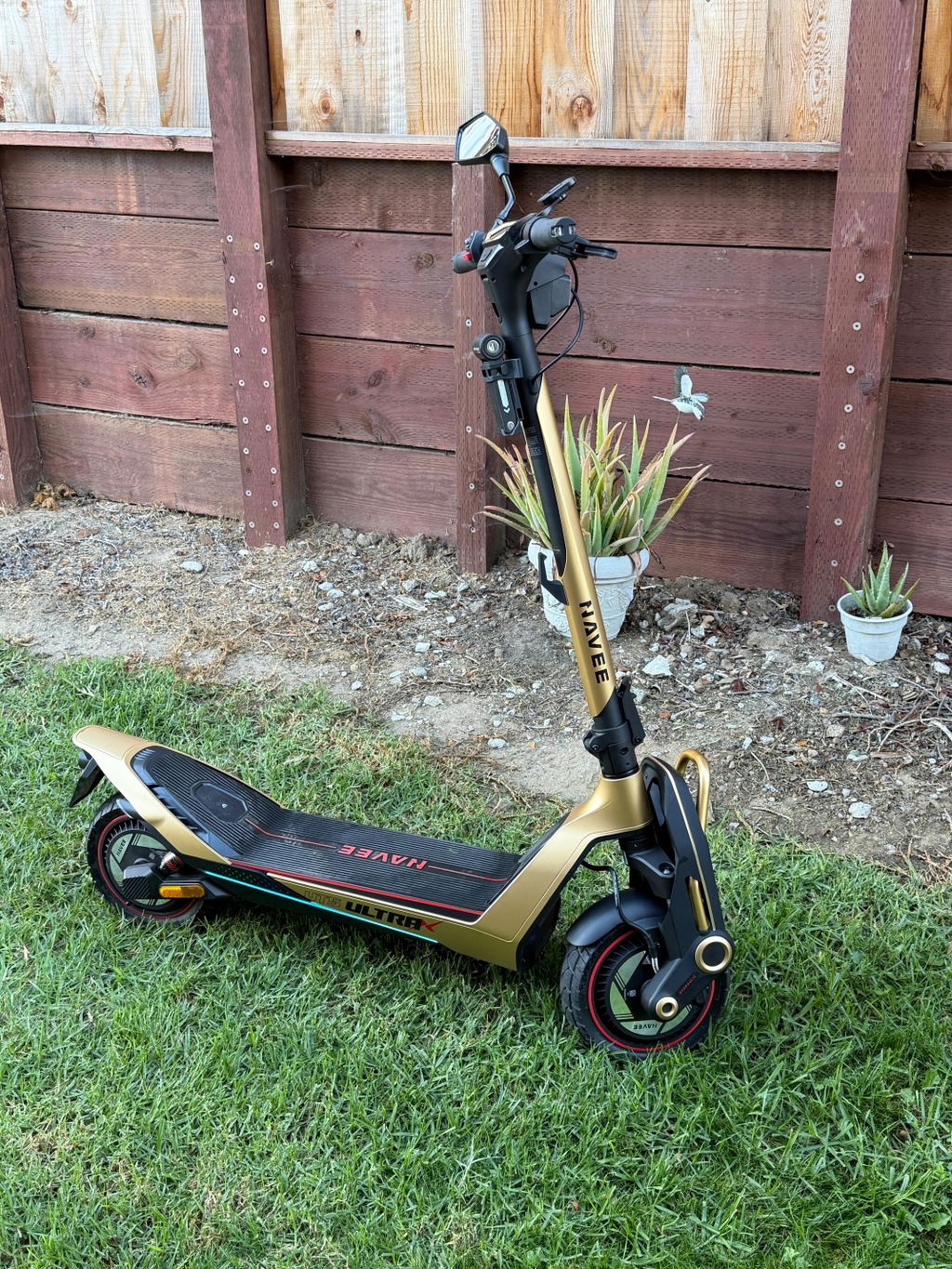
For riders who need a convenient solution for city transportation, NAVEE also offers a range of electric scooters designed for everyday mobility and commuting needs.
Choosing between an electric dirt bike and an e-bike comes down to how you plan to use the vehicle. A product designed for trails will not necessarily be the best choice for daily transportation, and a commuter-focused vehicle will not provide the same off-road capability.
Is An Electric Dirt Bike An OHV Or Motorcycle?
Electric dirt bikes are often compared with OHVs and motorcycles because they share several design characteristics. However, these categories serve different purposes, and understanding those differences helps avoid confusion when choosing a vehicle.
Electric Dirt Bikes And OHVs
OHV (Off-Highway Vehicle) is a broad category that includes vehicles designed specifically for off-road environments, such as dirt bikes, ATVs, and side-by-sides.
Because electric dirt bikes are built for off-road riding, they are commonly used in similar places as OHVs, including outdoor trails, private riding areas, and designated off-road parks.
However, being designed for off-road use does not mean every electric dirt bike automatically follows the same rules as every OHV. Regulations can vary depending on location, riding area, and vehicle specifications.
For example, some riding areas may have specific requirements related to registration, permits, or approved vehicle types. Riders should always check the rules for their intended riding location before assuming an electric dirt bike can access a specific trail.
Electric Dirt Bikes And Motorcycles
Electric dirt bikes also share similarities with motorcycles, especially in terms of riding feel. Both can use throttle acceleration, motorcycle-style frames, and performance-oriented suspension systems.
The main difference is the intended purpose.
Electric motorcycles are generally designed for road transportation, while electric dirt bikes are designed primarily for off-road recreation. A motorcycle may include equipment needed for public road use, while a dirt bike-style electric vehicle may not.
For example, many electric dirt bikes are not equipped with features commonly required for street riding, such as:
- Road-approved lighting systems
- Turn signals
- Mirrors
- Registration equipment
This means that an electric dirt bike can provide a motorcycle-like riding experience without necessarily being considered a street motorcycle.
Where Can You Ride An Electric Dirt Bike?
One of the biggest concerns for electric dirt bike buyers is not only what category the vehicle belongs to, but also where they can actually use it after purchase.
Unlike a traditional bicycle, an electric dirt bike is not automatically allowed everywhere just because it uses an electric motor. The available riding locations depend on the vehicle design, local regulations, and the rules of the area where you plan to ride.
For many riders, private property is the easiest place to use an electric dirt bike. It provides a controlled environment for learning, practicing, and recreational riding without the same restrictions that may apply in public areas. However, riders should still consider factors such as available space, safety conditions, and any local requirements related to noise or vehicle use.
Designated off-road areas are another common choice because electric dirt bikes are built specifically for this type of environment. Trails and OHV areas may provide the terrain these vehicles are designed to handle, but requirements can vary. Some locations may have rules regarding vehicle registration, permits, or approved vehicle types.
Public roads are where many buyers become confused. An electric dirt bike that performs well on trails may not be suitable or legal for street use. Road requirements often include specific equipment and regulations, which means riders should confirm local laws before attempting to use an electric dirt bike as a street vehicle.
For riders who are interested in understanding the legal requirements in more detail, our guide on whether electric dirt bikes are street legal and what requirements may apply provides additional information about road use, regulations, and common restrictions.
How To Choose The Right Electric Dirt Bike For Your Needs
Choosing an electric dirt bike is not only about comparing speed or motor power. The right choice depends on how you plan to ride, where you will use it, and what type of experience you want.
The first step is identifying your main purpose.
If your goal is outdoor recreation, trail riding, or exploring uneven terrain, an electric dirt bike is designed for that type of experience. Its suspension, tires, and frame construction provide better control and comfort compared with vehicles designed mainly for commuting.
However, if your main goal is daily transportation, city riding, or a more bicycle-like riding experience, an e-bike may be a better option. Unlike electric dirt bikes, e-bikes are designed around pedal-assisted riding and everyday mobility, making them better suited for commuting, bike paths, and casual rides.
The riding environment is also important. A powerful off-road vehicle provides more value when you have access to suitable trails or private riding areas. Without an appropriate place to ride, features designed for rough terrain may not be fully useful.
For riders who are specifically looking for an electric dirt bike built for outdoor exploration, NAVEE’s electric dirt bike collection offers models designed around off-road riding needs.
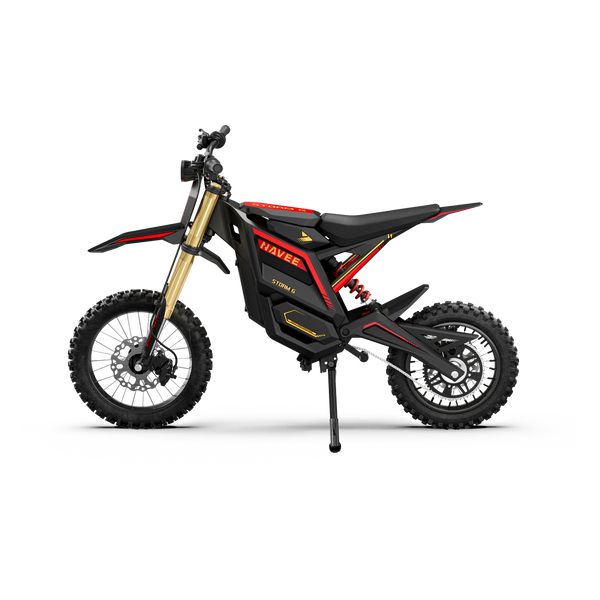
Among these options, the NAVEE Storm G is designed for riders who want an electric dirt bike experience with a focus on off-road capability. Its dirt-bike-inspired design, suspension system, and electric powertrain make it suitable for recreational trail riding and outdoor adventures.
When choosing a model, riders should focus on whether the vehicle matches their actual riding environment rather than choosing only based on the highest speed or largest motor.

Common Mistakes When Buying An Electric Dirt Bike
Many buying mistakes happen because consumers compare electric dirt bikes with the wrong category of vehicles.
One common mistake is assuming that an electric dirt bike works the same way as an e-bike. Because both use batteries, some buyers expect the same convenience for commuting, bike paths, and everyday transportation. However, the design differences between them are significant. Electric dirt bikes prioritize off-road performance, while e-bikes prioritize practical mobility.
Another mistake is choosing a model based only on speed. A higher top speed does not always mean a better riding experience. Riders should also consider handling, suspension, terrain, and their own experience level. A vehicle that is too powerful for the rider or riding environment may reduce confidence rather than improve the experience.
Ignoring local riding regulations is another common issue. Before purchasing, riders should understand where they can use the vehicle and whether their intended riding locations have specific requirements.
Battery expectations are also important. Electric dirt bike range depends on several real-world factors, including terrain, riding style, rider weight, and speed. Off-road riding generally consumes more energy than riding on flat surfaces, so advertised range should always be considered alongside actual riding conditions.
FAQs
Is An Electric Dirt Bike Considered An E-Bike?
An electric dirt bike is not always considered a traditional e-bike. Many models differ from e-bikes because they do not have pedals and are designed with motorcycle-style frames, off-road tires, and suspension systems. The exact classification depends on local regulations and vehicle specifications.
Can You Ride An Electric Dirt Bike On Public Trails?
Some public trails and OHV areas allow electric dirt bikes, but the rules vary by location. Riders should check whether electric vehicles are permitted, whether registration is required, and whether the vehicle meets local trail requirements before riding.
Can An Electric Dirt Bike Be Used For Daily Commuting?
While some electric dirt bikes may be capable of short-distance travel, most are designed primarily for off-road recreation rather than daily transportation. Riders who need a practical commuting vehicle may prefer an e-bike or electric scooter designed specifically for urban mobility.
Are Electric Dirt Bikes Easier To Maintain Than Gas Dirt Bikes?
Electric dirt bikes generally require less maintenance than gas-powered models because they do not have fuel systems, oil changes, or traditional engines. However, battery care, charging habits, and electrical component maintenance remain important for long-term performance.
Final Thoughts: Choosing The Right Electric Vehicle For Your Riding Style
An electric dirt bike is generally closer to an off-road motorcycle or OHV than a traditional e-bike. Its classification comes from its design, performance, and intended use rather than simply the fact that it uses electric power.
For riders who want trail riding, outdoor exploration, and off-road capability, an electric dirt bike can provide a quieter and lower-maintenance alternative to traditional gas-powered dirt bikes.
For riders who need everyday transportation, easier storage, and urban convenience, an e-bike or electric scooter may be a better fit.
Understanding these differences before buying helps you choose a vehicle that matches your lifestyle. NAVEE provides a range of NAVEE electric mobility solutions designed for different riding needs, from everyday transportation to outdoor exploration.
Share:
How to Choose a High-Performance Electric Scooter?
Electric Scooter Safety Certifications Explained: How To Choose A Safer Electric Scooter