



Can you ride an electric scooter on the sidewalk? In most major U.S. cities, no — riding an electric scooter on the sidewalk is illegal. Cities like New York, San Francisco, Los Angeles, Portland, and Denver all prohibit sidewalk riding to protect pedestrian safety. Instead, riders are directed to use bike lanes, shared paths, or roads with lower speed limits.
However, sidewalk rules vary significantly by city and state. Some smaller cities and suburban areas still allow low-speed sidewalk riding, while others have no specific e-scooter regulations at all. The penalties for violating sidewalk riding laws can range from verbal warnings to fines of $50–$500 depending on the jurisdiction.
This guide covers the latest 2026 sidewalk riding laws for major U.S. cities and states, explains the safety reasons behind these rules, and offers practical alternatives for where to ride your electric scooter legally and safely.
Electric Scooter Sidewalk Laws Explained
Electric scooter laws can change from place to place. Your city, and even your state, might treat riding on sidewalks very differently, so take a moment to check the rules where you live.
Local Laws and City Regulations
In nearly all major cities, riding on the sidewalk is a decision made by the local government. In Los Angeles, for example, it is illegal to ride on sidewalks. San Francisco hasn’t done that, either, and it also prohibits sidewalk riding, unless a sign indicates it is specifically permitted. Some smaller cities, including parts of Austin, Texas, allow sidewalks in more peaceful areas but not in busier ones.
State Rules You Need to Know
The laws around riding on the sidewalk vary from state to state. For instance, in California, it’s almost always illegal to use an e-scooter on the sidewalk under the vehicle code. Street riding is illegal in NYC, but outside of the city it is less prohibited. In Florida, each city can make its own laws, so scooters can be ridden on sidewalks in some cities.
What About Federal Guidelines?
There are no federal laws that directly address sidewalk riding. It’s up to state and local governments to decide where the scooters can and cannot be ridden. With this in mind, it is more meaningful to focus on local as opposed to national legislation.

Why Are There Restrictions on Sidewalk Riding?
You might think riding on a scooter on the sidewalk is the safer bet, yet there are so many safety considerations to why this isn’t allowed almost everywhere.
Pedestrian Safety Concerns
Sidewalks are for pedestrian traffic only. The presence of scooters will increase the incidence of pedestrian traffic injuries, in particular, children, older people or persons with physical disability will have a higher chance of being involved in a traffic accident. A scooter that rides too fast or tries to pass through a crowded sidewalk is a hazard to pedestrians, perhaps a number of pedestrians. Most cities, after all, have policies to protect those on foot.
Scooter Safety Risks
There are bumps and curbs and poles and it is not a smooth surface to ride electric scooters on and so it becomes more dangerous when people do ride them on the sidewalk. Stopping suddenly or accelerating quickly may cause you to fall, especially with a crack or lip in the pavement. Sidewalks were never designed for scooters as bike lanes and roads are, which are flat and easy to navigate.
Sidewalk rules are just one part of the legal picture. Many riders also wonder whether they need a license to ride. For a full state-by-state breakdown, see our guide: Do You Need a License for an Electric Scooter? 2026 State-by-State Guide.
Sidewalk Riding Laws by Major U.S. City (2026)
| City | Sidewalk Riding Allowed? | Penalty | Where to Ride Instead |
|---|---|---|---|
| New York City | No | Fine up to $500 | Bike lanes, streets ≤30 mph |
| Los Angeles | No | Fine up to $250 | Bike lanes, Class II/III bikeways |
| San Francisco | No | Fine $100–$200 | Bike lanes, streets |
| Chicago | No (downtown) | Fine $50–$200 | Bike lanes, streets ≤30 mph |
| Denver | No | Fine $100 | Bike lanes, multi-use paths |
| Portland | No | Fine $50–$150 | Bike lanes, streets ≤25 mph |
| Seattle | No | Fine $50–$100 | Bike lanes, streets |
| Miami | Yes (≤10 mph) | N/A | Bike lanes preferred |
| Austin | Varies by zone | Fine $40–$500 | Bike lanes, streets ≤35 mph |
| Nashville | No (downtown) | Fine $50 | Bike lanes, streets |
| Atlanta | No (commercial areas) | Fine $100–$300 | Bike lanes, streets ≤35 mph |
| Washington D.C. | No | Fine $25–$100 | Bike lanes, streets ≤10 mph |
Note: Laws are subject to change. Always check your city's official website or local ordinances for the most current rules before riding.
Understanding whether your scooter is legally classified as a motor vehicle can also affect where you're allowed to ride. Read more: Are Electric Scooters Considered Motor Vehicles? Your Complete 2026 Guide to Riding Legally.

Safe and Legal Alternatives to Sidewalk Riding
While riding an electric scooter on the sidewalk is illegal in most cities, that doesn’t mean you’re out of options. There are safer, legal alternatives for daily commutes—no matter where you live.
Choose Bike Lanes for the Safest Ride
Whenever possible, use designated bike lanes. Many cities treat electric scooters like bicycles, making bike lanes the safest and most convenient places for your commute. These lanes are built for personal mobility devices, offering separation from car traffic and keeping you off crowded sidewalks.
Shared Paths and Multi-Use Trails
In some communities and parks, you’ll find shared-use trails for bikes, scooters, and pedestrians. These paths are wider than sidewalks and are designed for mixed use. Just be sure to ride slowly, keep a safe distance from others, and always follow posted signs and local rules.
On the Road Where Permitted
If there are no bike lanes, many states allow electric scooters to be ridden on roads with a speed limit of 25 mph or lower. Stay on the right side of the lane, obey traffic signals, and always wear a helmet for added protection.
Why the NAVEE GT3 Max is a Great Fit
For legal and comfortable city commuting, the NAVEE GT3 Max is a smart choice. Its 46.6-mile range, quadruple suspension, and 10-inch Tubeless Tires are ideal for long rides in bike lanes or on shared-use paths. With a quick folding design, you can easily bring your scooter indoors or on public transit—perfect for cities with strict sidewalk rules.
Learn more about the NAVEE GT3 Max here.

What to Do If There Is No Bike Lane Available?
In many suburban and residential areas, dedicated bike lanes may not exist. Here is what you should do:
- Ride on the right side of the road — In most states, e-scooters are allowed on roads with posted speed limits of 25–30 mph or lower. Stay as far right as safely possible.
- Dismount and walk on the sidewalk — If the road feels unsafe due to heavy traffic or high speeds, the legally correct action is to get off your scooter and walk it on the sidewalk.
- Use shared-use paths or multi-use trails — Many cities have paved multi-use paths that allow both bicycles and e-scooters. Check for posted signage indicating whether motorized vehicles are permitted.
- Plan your route in advance — Use apps like Google Maps (set to bicycle mode) to find routes with bike lanes or lower-traffic streets before heading out.
For daily commuters who need a scooter built for city streets and bike lanes, the NAVEE ST3 Pro offers triple braking, a 40-mile range, and Apple Find My tracking — designed specifically for safe, legal urban riding.
If You Have to Ride on the Sidewalk
Occasionally you won’t have a choice and will have to use the sidewalk for some part of your ride, such as in a very quiet neighborhood or because of roadwork. If this happens, there are respectful ways to do it.
Safety Tips for Sidewalk Riding
Ride the sidewalk but at a snail’s pace. Get ready to stop as soon as someone steps right in your path. To lower the chances of injury, make sure you are looking around and doing things to avoid distractions, such as using your phone or listening to music. Always look out for anything that could suddenly emerge such as driveways, doors, or any other obstacles.
Safety Tip: While following all local regulations is essential, remember that personal safety gear matters just as much. Wearing a quality helmet reduces the risk of head injuries and makes every ride safer. For expert advice on finding the right helmet for your electric scooter, don’t miss our Electric Scooter Helmets: How to Choose the Best One for Safety guide.
Best Practices for Sharing Space
If you need to pass a pedestrian, offer a friendly heads up, or sound your bell. Never push or dodge through groups of people. In super-tight squeezes, the safest is to dismount and walk your scooter. It’s also worth remembering that sidewalks are first and foremost for walking.
Parking Your Electric Scooter the Right Way
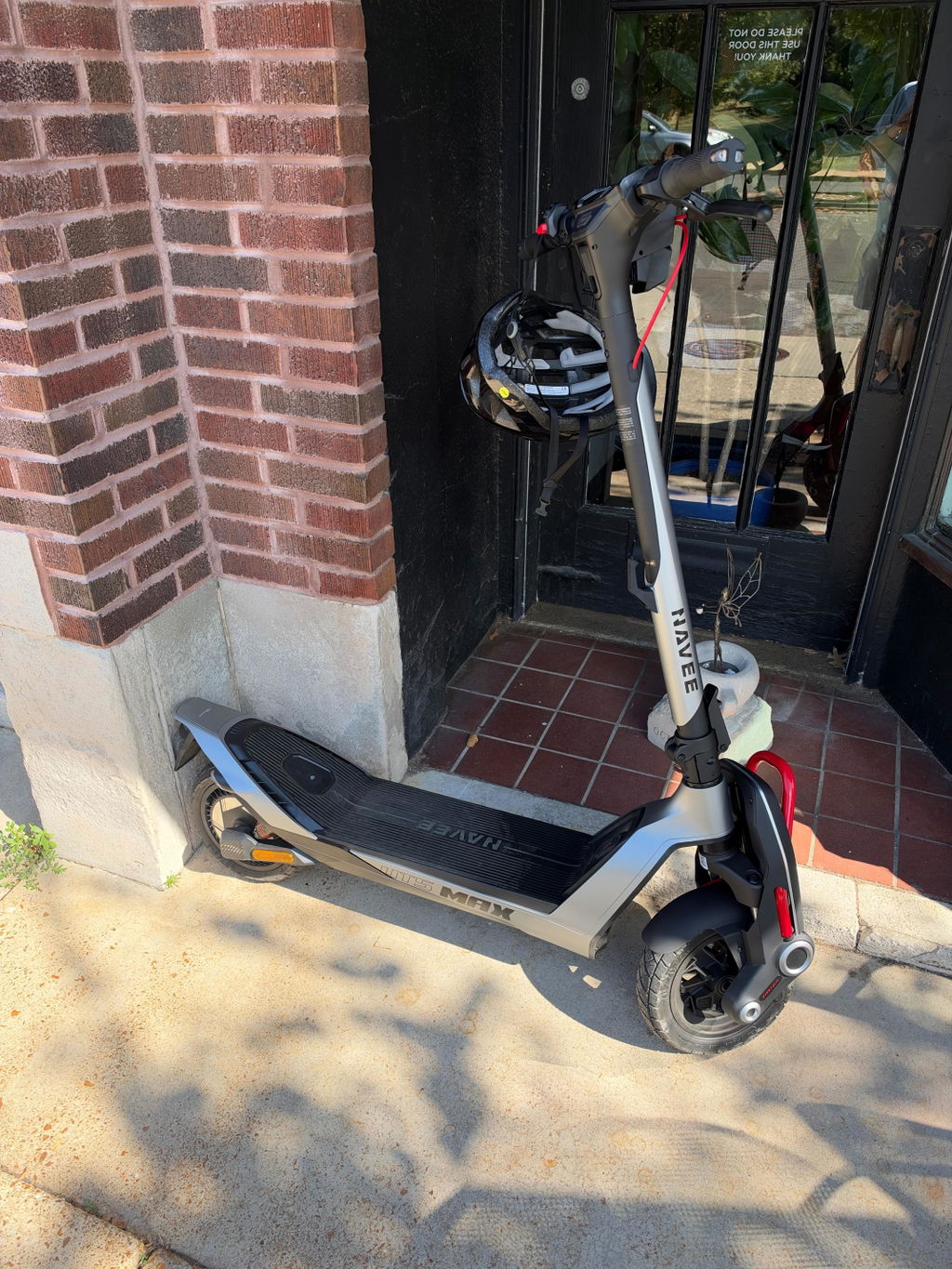
Whether you’re done with your ride and need to leave your scooter somewhere, parking your scooter properly is super important, just as important as riding. Sidewalks and doorways are off-limits because that could cause problems or result in fines.
Where and How to Park Legally?
Scooters should be left standing upright in places that don’t block a pedestrian’s path or building entrances, ramps and other places of access. Some cities have designated zones for scooters or bikes. If you’re using a rental, some apps demand a photo in order to show you parked “the right way” so that it is not interfering with other things.
What Happens If You Break the Rules?
Even if accidental, you can be fined for riding in the wrong place or parking incorrectly.
Fines, Tickets, and Other Consequences
In most cities, riding on the sidewalk where it’s prohibited can result in fines of $50-200. There will probably be similar penalties for parking in those areas. Some scooter rental companies will immobilize or block scooters after three such rule violations. If involved in an accident while on board, the individual would be held accountable.

FAQs
Q: Can I ride my electric scooter on the sidewalk in my city?
A: Sidewalk riding is banned or restricted in nearly all of the major US cities so, checking your local laws is a good practice.
Q: What should I do if there’s no bike lane or road space?
A: Use a shared-use path or stay on the far right of the road or on the shoulder of the road. Other times, it’s safest to just walk your scooter.
Q: Are there special rules for kids on electric scooters?
A: Yes. Some states specify a minimum age — often 16 — to ride an electric scooter. There are certain safety issues surrounding allowing children to ride adults electric scooters.
Q: What happens if I get caught riding on the sidewalk where it’s banned?
A: You can incur a fine and lose access to your rental account, and if an accident occurs, there can also be criminal consequences.
Q: How do I know if I’m riding safely around pedestrians?
A: As a biker, be sure to yield to people on foot. Ride slow, keep your eyes open, and don’t ride where the pedestrians are packed. If it starts to become a little crowded there, just walk your scooter, better safe than bumped.
Q: Can I ride my electric scooter on the sidewalk if there is no bike lane?
A: In most cities that ban sidewalk riding, no. Even if no bike lane is available, the legal requirement is to use the road (far right side) or dismount and walk your scooter on the sidewalk. Check your local ordinance for specific guidance.
Q: What is the fine for riding an electric scooter on the sidewalk?
A: Fines vary widely by city. In New York City, fines can reach $500. In Denver, the typical fine is around $100. In Chicago, fines range from $50 to $200. Some cities issue verbal warnings for first offenses before imposing fines.
New York City has some of the strictest e-scooter regulations in the country, including sidewalk bans and speed caps. For a detailed breakdown of NYC rules, see: Are Electric Scooters Legal in New York? 2026 Rider's Guide.
Q: Are there any U.S. cities where sidewalk riding is legal?
A: Yes, a few cities still allow low-speed sidewalk riding. Miami permits e-scooters on sidewalks at speeds under 10 mph. Some smaller cities and suburban areas have no specific sidewalk riding ban. Always verify local rules before riding on sidewalks.
Q: Can I ride on the sidewalk if I go slowly?
A: In cities that prohibit sidewalk riding, speed does not matter — riding any motorized vehicle on the sidewalk is prohibited regardless of speed. In cities that allow it (like Miami), you must stay under the posted speed limit, typically 8–10 mph.
Conclusion
For the most part in the United States riding an electric scooter is illegal on the sidewalk except if local law permits it to do so. But there are better, safer alternatives, including protected bike lanes, shared-use paths and low-stress streets. As long as you are in compliance with local laws, ride respectfully and park responsibly, you can enjoy trouble-free rides.
Share:
What Is the Best Size of Electric Scooter Tire? The Ultimate Guide for Fat Tire Electric Scooters
How to Fold Electric Scooter?