


Electric scooters are reliable machines, but wear and tear catches up with every rider eventually, whether it is a battery that will not hold a charge or a wobbly front wheel. When that happens, three questions usually come up first: who can fix it, how much will it cost, and does the warranty still apply. Most scooter problems are fixable, and knowing where to go and what to check first can save both time and money.
This guide covers the main repair options, typical costs, warranty basics, and a few simple checks to run at home before booking a repair.
Where To Get Your Scooter Repaired
There are four main routes for getting an electric scooter fixed, and the right one depends on the issue, the warranty status, and how comfortable the rider is with hands-on work.
Manufacturer Service Centers
If the scooter is still under warranty, the manufacturer's service center is usually the best first stop. These centers have access to original parts, trained technicians, and diagnostic tools built specifically for the model in question. Repairs done here also tend to preserve warranty coverage, since third-party shops sometimes void it by opening sealed components such as the battery pack or motor housing. Coverage terms, including what counts as a defect versus normal wear, are usually laid out in detail in the brand's warranty policy, which is worth reviewing before requesting service.
Local Repair Shops
Independent bike and scooter repair shops handle common issues well, including flat tires, brake adjustments, and minor electrical faults. They are often faster and more affordable than sending a scooter back to the manufacturer, which makes them a practical choice for older models that are already out of warranty.
Mobile Repair Services
In many cities, mobile mechanics will come to a home or office to handle repairs on the spot. This is a convenient option when a scooter cannot be ridden safely to a shop, though availability and pricing vary depending on location.
Repairing It Yourself
Riders who are comfortable with basic tools can often handle simple repairs at home, such as:
- Tightening loose bolts
- Replacing worn brake pads
- Swapping out a flat tire
- Cleaning and lubricating moving parts
Opening the battery pack or motor housing is a different matter. That kind of work carries real safety risks and typically voids the warranty, so it is best left to a professional even for riders who are otherwise handy.

Electric Scooter Repair Costs
Average Cost By Repair Type
Repair costs depend on the issue, the parts needed, and where the work is done. The table below gives a general sense of what to expect:
| Repair Type | Typical Cost Range |
|---|---|
| Flat tire or tube replacement | $15 to $40 |
| Brake pad replacement | $20 to $50 |
| Throttle or display repair | $30 to $80 |
| Folding mechanism repair | $25 to $60 |
| Motor repair or replacement | $80 to $250 |
| Battery replacement | $150 to $400 |
*These figures are general estimates. Actual pricing depends on the scooter's model and brand, so it is worth calling a shop for a quote before committing to a repair.
What Affects The Price
Several factors influence what a repair ultimately costs:
- Battery capacity and motor power. Higher-end scooters with larger batteries or more powerful motors generally cost more to service.
- Labor rates. Manufacturer service centers and independent shops often charge different rates for the same job.
- Parts availability. Popular, widely sold models tend to have cheaper and more accessible replacement parts than discontinued ones.
- Extent of the damage. A single worn part costs far less to fix than a scooter with multiple failing components.
Repair Vs Replace
Sometimes repairing is not the most practical choice. A simple rule of thumb: if a single repair, or the combined cost of multiple repairs, comes close to 50% of the scooter's current replacement value, it is usually more economical to replace the scooter rather than keep patching it. Battery age is a good early signal here. Most lithium-ion scooter batteries decline to around 80% of their original capacity after roughly 300 to 500 charge cycles, which typically works out to 2 to 4 years of regular use. Once a battery reaches that point, other components often are not far behind, which is when it often makes more financial sense to look at current electric scooters instead of continuing to invest in an aging unit.

Checking Your Warranty
What's Usually Covered
Most manufacturer warranties cover defects in materials or workmanship, including problems with the motor, battery, and frame, for a set period after purchase. Coverage length and terms vary by brand and model, so it is worth reading the documentation that came with the scooter rather than assuming standard terms apply.
Common Exclusions
Warranties typically do not cover:
- Damage from accidents or drops
- Water exposure beyond the scooter's rated level
- Unauthorized repairs or modifications
- Normal wear items, such as tires and brake pads
Riding conditions matter too. Using a scooter off-road when it was not designed for that kind of terrain can void coverage, even if the resulting damage looks unrelated to the riding surface.
How To Confirm Coverage
Check the original purchase receipt or order confirmation for the purchase date, then compare it against the model's stated warranty period. Coverage terms differ by model, so it is worth confirming the specific terms for a given scooter directly with the manufacturer rather than assuming they match another model from the same brand. The warranty policy page is a useful reference here as well, since it typically breaks down coverage periods by component rather than applying one blanket term to the whole scooter.
DIY Checks Before You Call A Shop
A few checks at home can save a trip to the shop, and sometimes resolve the issue outright.
Battery And Charger
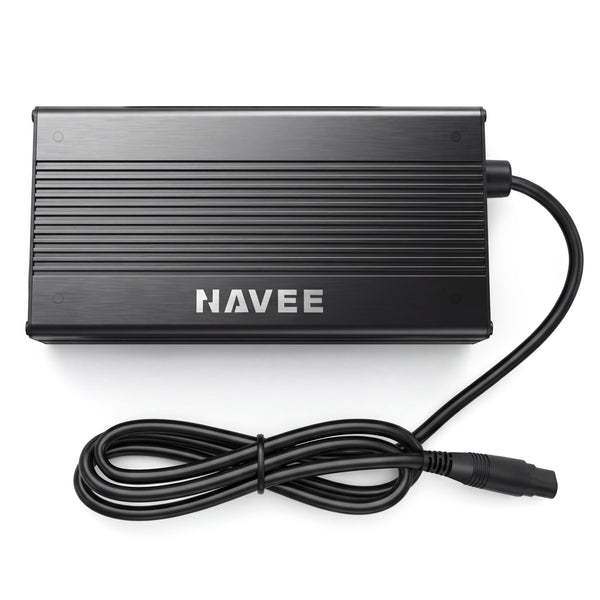
Confirm the battery is fully charged and inspect the charging port and cable for visible damage. A worn-out or mismatched charger is a common cause of slow charging or a scooter that will not power on at all, so it is worth ruling that out with a properly rated charger. The NAVEE 10A fast electric scooter charger, for example, delivers up to 546W of output and charges roughly three times faster than a standard charger, which also makes it useful for confirming whether a slow charge is a charger problem or a battery problem.
Tires And Brakes
Inspect the tires for cuts, low pressure, or uneven wear, and check that the brakes engage smoothly without excessive play in the lever. Squeaking or grinding sounds usually point to worn brake pads that need replacing.
Throttle And Display
If the scooter feels sluggish or the display shows an error code, try restarting it first. Persistent throttle lag or a blank screen often points to a loose connector rather than a major fault, so checking cable connections is worth doing before assuming the worst.
Loose Bolts And Connectors
Vibration from regular riding can loosen bolts over time. Check the stem, deck, and folding mechanism with the appropriate tools, and tighten anything that feels loose.
Choosing The Right Repair Option
When To DIY
Simple, mechanical fixes such as tire changes, brake adjustments, and bolt tightening are generally safe to handle without professional help. These repairs carry low risk and typically will not affect the warranty.
When To See A Professional
Anything involving the battery, motor, or internal electronics is best left to a professional, especially while the scooter is still under warranty. A qualified technician can also diagnose issues that are not obvious from the outside, such as a failing controller or a weak battery cell, which are easy to miss without the right tools.
FAQs
How much does it cost to fix an electric scooter?
Costs vary widely depending on the issue. Minor repairs like flat tires or brake pad replacements typically run between $15 and $50, while more involved repairs such as motor or battery work can range from $80 to $400 depending on the model and parts needed.
Is electric scooter repair covered under warranty?
It depends on the nature of the problem. Most warranties cover manufacturing defects in the motor, battery, and frame, but they generally exclude accident damage, water damage beyond the rated limit, and normal wear items like tires. Checking the specific warranty terms for the model in question is the best way to know for sure.
Can I repair my electric scooter myself?
Yes, for basic mechanical issues like tightening bolts, replacing a tire, or adjusting brakes. Opening the battery pack or motor housing is not recommended, though, since it can be unsafe and will usually void the warranty.
How long does a typical scooter repair take?
Simple repairs like tire or brake pad replacements often take less than an hour at a local shop. More involved work, such as motor or battery repairs, can take several days, and manufacturer service centers may take longer than independent shops if parts need to be shipped in.
Where is the best place to get a scooter repaired near me?
Start by checking whether the scooter is still under warranty, in which case a manufacturer service center is the safest option. If it is out of warranty, a local bike or scooter repair shop, or a mobile repair service in the area, can often handle the job faster and at a lower cost.
Share:
How to Choose the Best Electric Dirt Bike for Adults?
How Much Does a Good Electric Scooter Typically Cost?