


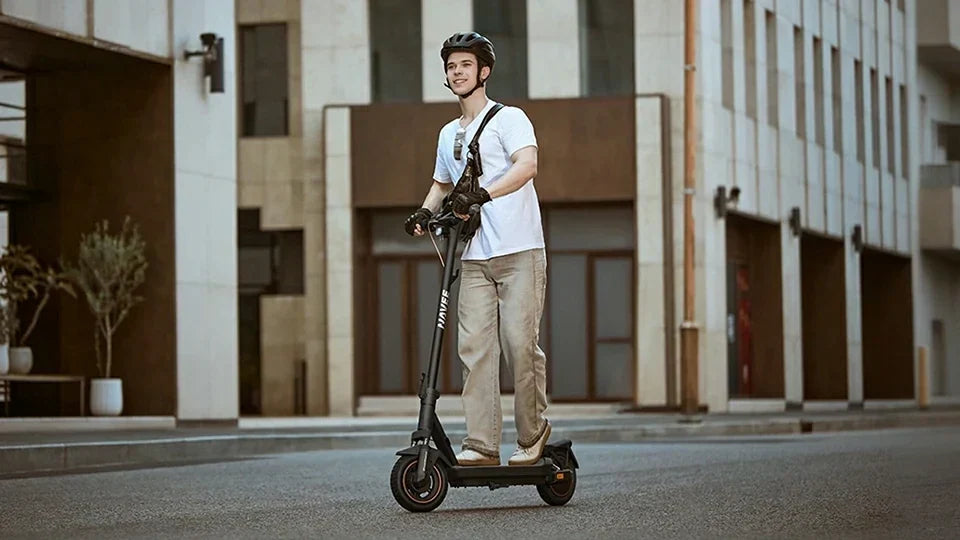
Electric scooter prices span a wide range, from under $150 to more than $2,000. That gap makes it hard to know what "a good scooter" actually costs, especially for first-time buyers comparing models across different brands.
A scooter suited for a short, flat commute needs very different specs than one built for hills or long-distance rides. Understanding what drives the price, and matching that to your own riding needs, is the fastest way to avoid overpaying for features you will never use.
Electric Scooter Price Ranges
Most electric scooters fall into one of four general price brackets:
| Price Range | Typical Use Case | Common Features |
|---|---|---|
| Under $300 | Short trips, casual riding, kids' scooters | Basic motor, limited range, minimal suspension |
| $300 to $700 | Daily commuting, mixed terrain | Solid battery range, decent top speed, app connectivity |
| $700 to $1,500 | Serious commuters, hilly routes | Larger motors, longer range, improved suspension |
| Above $1,500 | High performance, off-road, dual-motor | Top speeds over 30 mph, extended range, rugged build |

Why Prices Vary So Much
Pricing comes down to a combination of engineering, materials, and intended use. Safety certifications, warranty coverage, and after-sales support also factor into the final price, on top of the core hardware.
Budget Scooters Under $300
Scooters in this bracket are built for short, casual rides rather than daily commuting, with smaller motors, modest top speeds, and a range that typically tops out around 10 to 15 miles. This tier fits a student riding a mile or two across campus, an occasional weekend rider, or anyone testing whether commuting by scooter fits their routine before investing more.
Mid Range Scooters $300 to $700
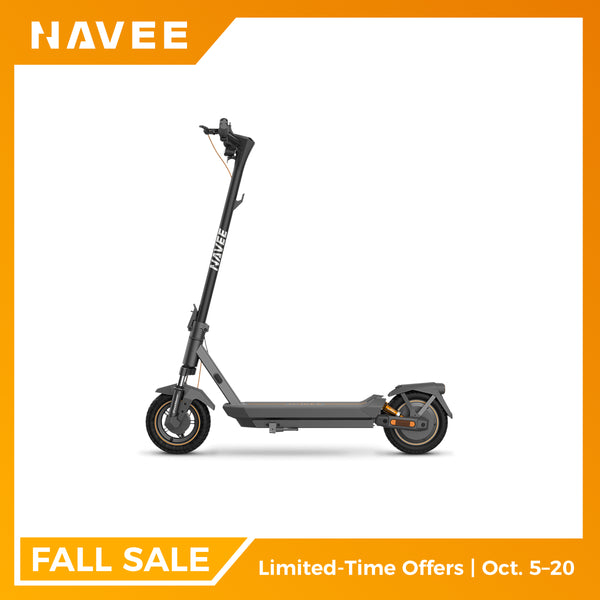
Most everyday commuters shop in this bracket. Scooters here usually offer a meaningful step up in range and motor power compared to entry-level models. The NAVEE GT3 Pro is a good example: a 1,000W motor, roughly 37 miles of range, and a 20 mph top speed, well suited to someone commuting 3 to 5 miles each way to work or transit.
Premium Scooters $700 to $1,500
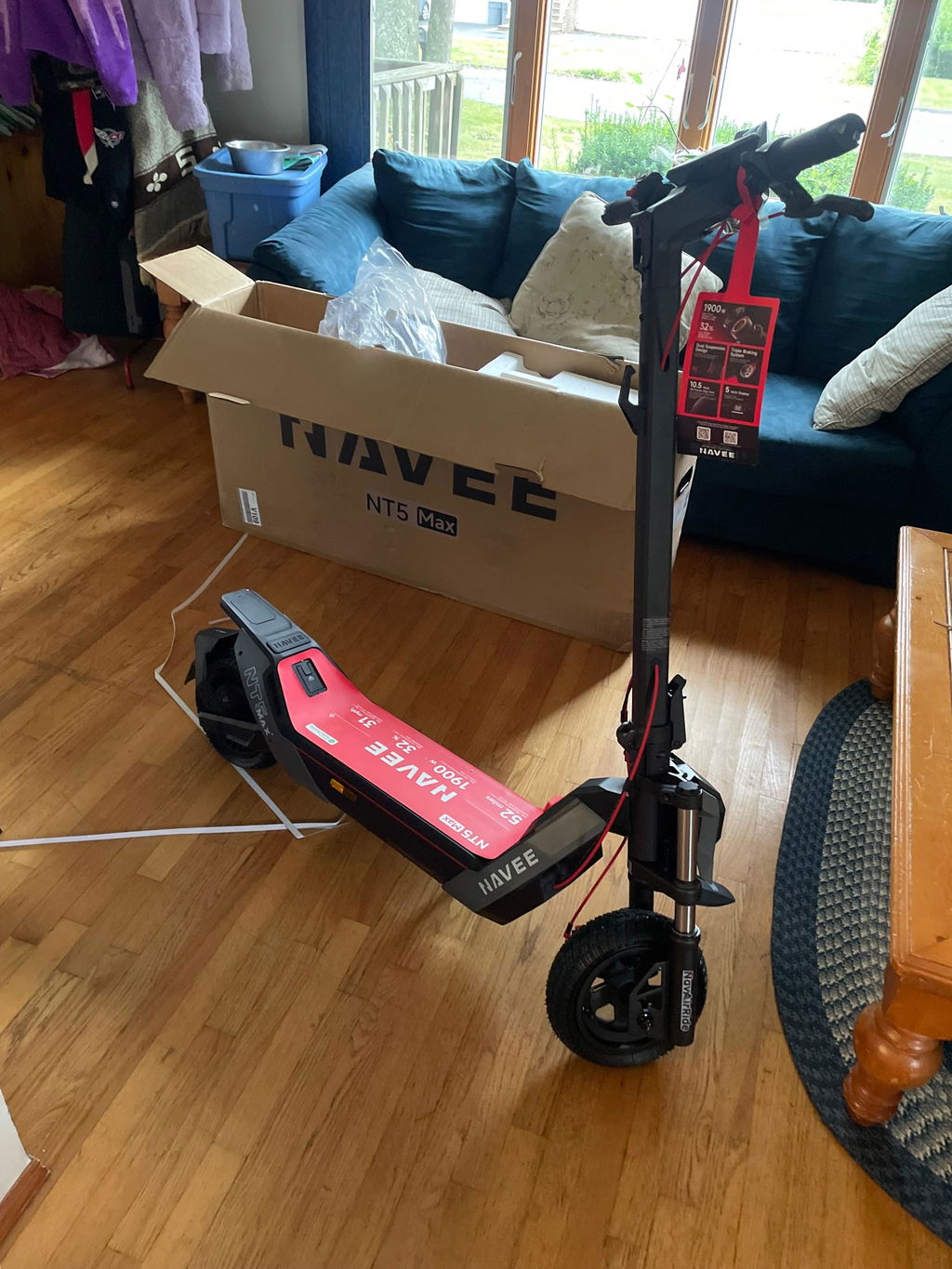
Models in this range typically deliver longer battery life, higher top speeds, and better ride comfort through improved suspension, suiting riders who cover more ground or deal with hills and rougher pavement. The NAVEE NT5 Max fits this category, with a 1,900W motor, close to 52 miles of range, and a 31 mph top speed, making it a solid match for a longer daily commute of 8 to 10 miles.
High Performance Scooters Above $1,500
At the top of the market, dual-motor setups, extended-range batteries, and top speeds exceeding 30 or even 40 mph become standard. These scooters target riders who want to replace a car for short trips, tackle steep hills daily, or simply want the best hardware available.
Key Factors That Affect Price
A handful of core components explain why one scooter can cost twice as much as another.
Motor Power and Speed
Motor wattage directly affects both price and performance. A single 250W motor works fine for flat commutes, while dual motors in the 1,000W to 2,400W range are built for hills and higher speeds.
Battery Capacity and Range
Battery size is one of the biggest cost drivers in any electric scooter. Larger batteries extend range between charges but also add weight and price. For a commute longer than 10 miles round trip, it is worth paying more for a battery that comfortably covers the distance with room to spare.
Build Quality and Materials
Frames built with aircraft-grade aluminum, reinforced folding mechanisms, and quality components cost more than those made with lower-grade materials. This affects not just durability but also how the scooter feels day to day.
Suspension and Tires
Entry-level scooters often rely on solid tires and little or no suspension, which keeps costs down but sacrifices ride comfort. Higher-priced models add hydraulic or spring suspension along with pneumatic tires, resulting in a noticeably smoother ride over cracks, bumps, and uneven pavement.
Brand Reputation
Established brands with a track record of safety testing, reliable customer support, and consistent quality control tend to price their scooters higher than lesser-known alternatives. That premium often reflects real value in the form of warranty coverage and long-term reliability.
Hidden Costs to Consider
The sticker price is only part of what it costs to own an electric scooter. A few ongoing expenses are worth planning for before buying:
- Maintenance and repairs. Tire replacements, brake adjustments, and general tune-ups are normal, especially for frequent riders or rough terrain.
- Replacement parts and batteries. Batteries degrade over time, and most riders eventually need a replacement. Tires and brake pads also need periodic swapping.
- Insurance and registration fees. Depending on local rules, some scooters may need registration or may be classified similarly to mopeds if they exceed certain speed thresholds. Checking local Department of Transportation guidelines before buying is worthwhile, since requirements vary widely by city and state.

Best Value Scooters by Budget
A quick breakdown by budget makes it easier to narrow down a search. The table below lines up three models side by side for a direct comparison.
|
Model |
Motor |
Range |
Top Speed |
Best For |
|
NAVEE GT3 Pro |
1,000W |
~37 miles |
20 mph |
Daily 3-5 mile commutes |
|
NAVEE NT5 Max |
1,900W |
~52 miles |
31 mph |
Longer 8-10 mile commutes |
|
NAVEE UT5 Max |
2,400W |
~62 miles |
31 mph |
Hilly routes, extra comfort |
Best Budget Pick
For a reliable option without a large upfront cost, it is worth comparing budget-friendly electric scooters side by side to find the best fit for short, everyday rides.
Best Mid Range Pick
For daily commuters who want a balance of range, power, and price, the GT3 Pro's 1000W motor and around 37 miles of range make it a strong mid-range pick.
Best Premium Pick
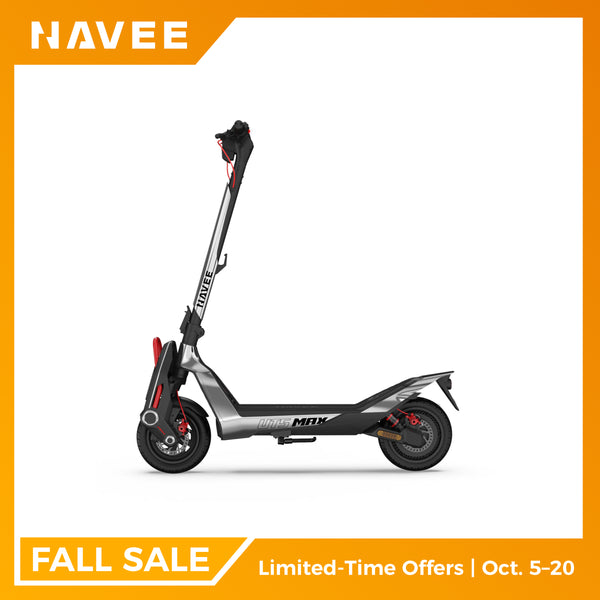
For riders who want extra performance and comfort on longer or hillier commutes, the NAVEE UT5 Max delivers a 2,400W motor, hydraulic suspension, and over 60 miles of range for a smoother, more capable ride.
Tips for Getting the Best Deal
When to Buy for Discounts
Retailers frequently run sales around major shopping periods such as Labor Day, Black Friday, and back-to-school season. Timing a purchase around these windows can lead to meaningful savings on higher-end models.
New vs Used Scooters
Buying used can save money upfront, but it carries risks such as unknown battery health or a lapsed warranty. Anyone considering a used scooter should ask for maintenance history and test it in person whenever possible. Buying new, especially with solid warranty coverage, tends to offer better long-term value and peace of mind.
Conclusion
No single price tag defines a "good" electric scooter. What matters most is matching range, power, and build quality to how and where the scooter will actually be used. Budget models suit short, casual trips, while mid-range and premium scooters make more sense for daily commuting or hillier routes. Factoring in the hidden costs of ownership alongside the upfront price makes it much easier to choose a scooter that delivers real value for the money.
FAQs
What is a reasonable price for a good electric scooter?
A reasonable price for a reliable electric scooter suited to daily commuting typically falls between $300 and $800. This range usually offers a solid balance of range, motor power, and build quality without paying for extras most riders will not use.
Are expensive electric scooters worth the extra cost?
For riders with longer commutes, hilly terrain, or a need for higher speeds, the UT5 Max's hydraulic suspension is often worth the investment, since better suspension, range, and power translate into a noticeably improved riding experience.
How much should I budget for scooter maintenance?
Most riders should plan to spend a modest amount each year on basic upkeep such as tire replacements and brake adjustments. Setting aside a small maintenance fund helps avoid unexpected repair costs.
Can I find a reliable electric scooter under $500?
Yes, several reliable options exist in the $400 to $500 range that suit shorter commutes and casual riding. Checking the range, motor power, and warranty terms before buying is important, since features vary widely at this price point.
Share:
Where To Fix An Electric Scooter: Cost, Warranty, And DIY Checks
Getting Started with Electric Power Wagons: Features, Benefits, and Buying Tips