


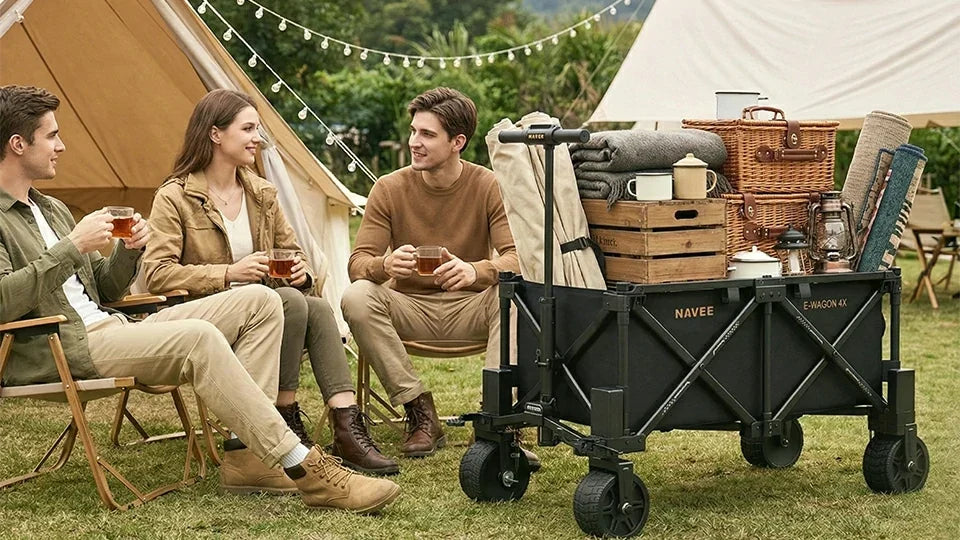
Hauling groceries, camping gear, or yard tools across soft ground or uneven terrain can quickly turn into a workout you didn't sign up for. Electric power wagons solve this problem by replacing manual effort with battery powered hauling, and they are quickly becoming a favorite among families, campers, and anyone who needs extra muscle without the extra sweat.
This guide covers what electric power wagons are, why they are worth considering, and how to choose the right one.
What Is an Electric Power Wagon?
An electric power wagon is a motorized cart designed to carry cargo, and in some cases passengers, using an onboard battery and motor instead of manual pulling power. It is essentially the modern evolution of the classic red wagon, built with rugged tires, a reinforced frame, and enough torque to handle real hauling tasks.
How It Differs from Traditional Wagons
Traditional wagons rely entirely on your own strength to move forward, which becomes exhausting once you are dealing with soft sand, gravel, or hills. An electric power wagon uses a motor to do the heavy lifting, so you guide it instead of dragging it. Many models also offer multiple drive modes, including manual push assist, towing, and full ride on operation, giving you flexibility depending on the task at hand.
Common Uses and Applications
Electric power wagons work well anywhere manual carts fall short, including:
- Long distance hauling over grass, gravel, or sand
- Yard and landscaping work such as moving soil, tools, or firewood
- Outdoor events like tailgating, film shoots, or camping trips
- Job site logistics where a full size utility vehicle is not practical

Benefits of Electric Power Wagons
Once you experience how much effort an electric wagon saves, it is hard to go back to manual hauling.
Cost Savings Over Time
Compared to gas powered utility vehicles, electric wagons cost far less to operate. There is no fuel to buy, and maintenance needs are minimal since electric drivetrains have fewer moving parts than combustion engines.
Environmental Impact
Electric wagons produce zero tailpipe emissions and run quietly, making them a cleaner option for parks, campgrounds, and residential neighborhoods where noise and air quality matter.
Simple to Operate
Most electric power wagons are designed for intuitive, beginner friendly operation, with straightforward controls and minimal setup. Routine upkeep is light, covered in more detail later in this guide.
Key Features to Look For
Not all electric wagons are built the same, so it helps to know what separates a good model from a great one.
| Feature | What to Look For |
|---|---|
| Battery | Detachable lithium battery with a fast charge time |
| Load capacity | A weight rating well above your typical cargo needs |
| Drive system | Single or dual motor, with 4-wheel drive for rough terrain |
| Display | Clear readout for speed, battery level, and mode |
| Frame | Foldable design for easy storage and transport |

Battery Life and Charging
Look for a wagon with a detachable lithium battery, since these tend to be safer, longer lasting, and easier to replace than fixed batteries. Charging times generally range from four to twelve hours, depending on the battery size and charger type.
Load Capacity
Load capacity is one of the most important specs to check before buying. If you plan to haul heavy items like camping gear or bags of soil, choose a model rated well above your typical load. This helps avoid straining the motor and frame, and extends the wagon's lifespan.
Terrain and Wheel Type
If you will be riding over grass, gravel, or sand, all-terrain tires and a 4-wheel drive system make a noticeable difference in traction and stability. Wagons built for pavement only may struggle once the ground gets soft or uneven, so match the tire and drivetrain type to where you actually plan to use the wagon.
Safety Features
Look for responsive braking, stable wheel design, and a smart control system that can manage wheel slip on tricky surfaces. If the e-wagon also functions as a ride-on device, it is worth checking whether it meets relevant U.S. Consumer Product Safety Commission guidelines for powered ride on equipment.
With these features in mind, the next step is translating them into an actual purchase decision.
How to Choose the Right Model
The right electric power wagon depends on how and where it will be used, so it helps to match specific specs to your intended tasks before comparing prices.
Matching the Wagon to Your Needs
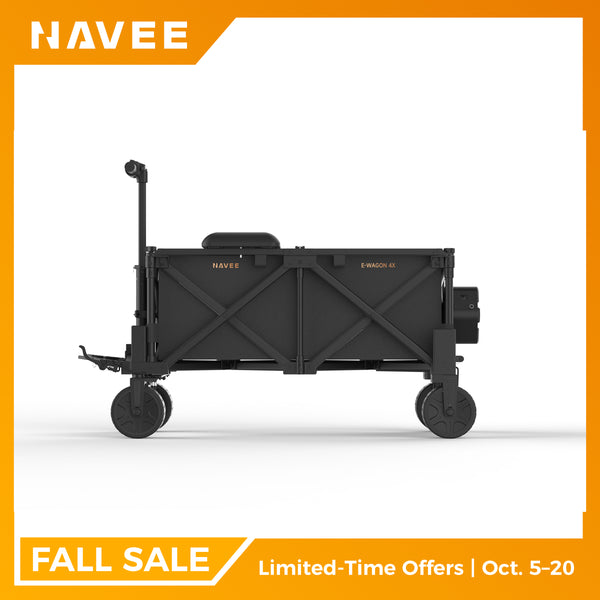
For heavy duty hauling over rough ground, look for a combination of high load capacity, strong drivetrain power, and all-terrain tires. The NAVEE E-Wagon 4X electric utility wagon, for example, pairs a 3000W drivetrain with independent 4-wheel drive and up to 770 lb of load capacity, making it well suited to demanding, uneven terrain.
Comparing Models and Pricing
Specs like load rating, drivetrain type, and battery capacity can vary significantly between models, even within a similar price range. It helps to set a budget range first, then compare models within it based on the features that matter most for your intended use, rather than being swayed by extras that are not actually needed. Reviewing dedicated electric utility wagons makes it easier to compare these details side by side before deciding.
Tips for First Time Owners
A little preparation goes a long way toward getting the most out of a new wagon.
Charging Best Practices
Charge the battery fully before first use, and avoid letting it sit at a very low charge for extended periods, since this can shorten battery life over time.
Basic Maintenance Checklist
A few simple habits keep an electric wagon running reliably:
- Check tire pressure and tread condition regularly
- Wipe down the frame after use in wet or muddy conditions
- Inspect fasteners and bolts for looseness over time
- Store the battery in a cool, dry place when not in use
Storage Recommendations
Most electric wagons feature a foldable frame, making them easy to store in a garage, shed, or even a car trunk. Folding the wagon when it is not in use also helps protect it from weather exposure and prolongs its condition.
Pairing Wagons with Other E-Mobility Devices
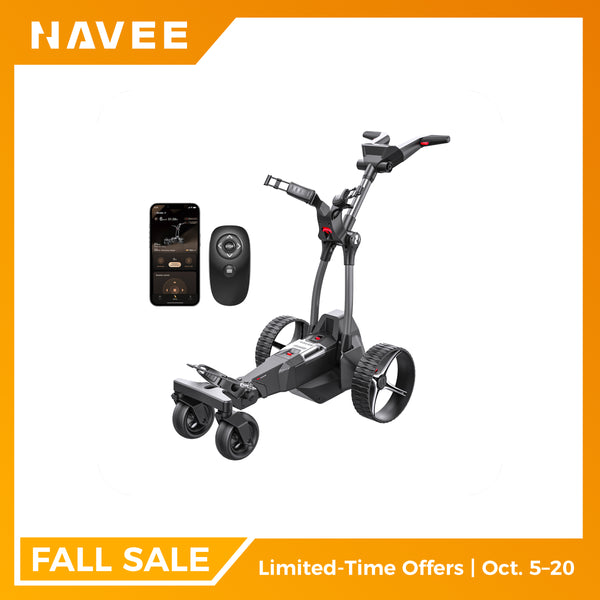
An electric power wagon does not have to be a standalone purchase. It can fit naturally into a broader electric mobility setup for home, campus, or outdoor use. For example, pairing a wagon for cargo with a golf cart like the NAVEE Birdie 3X auto-follow electric golf cart covers both hauling and personal transport in one setup. Reviewing the full e-mobility collection, which includes electric golf carts, push carts, and motorcycles, makes it easier to find other complementary devices.
Conclusion
Electric power wagons offer a practical, efficient way to haul gear without the physical strain of traditional wagons. Understanding the key features, benefits, and maintenance basics covered in this guide makes it easier to choose a model that fits your needs and get the most out of it for years to come.
FAQs
How long does an electric power wagon battery last?
Most detachable lithium batteries provide several hours of use per charge and take around four to twelve hours to fully recharge, depending on the model.
Are electric power wagons suitable for rough terrain?
Yes. Models with all-terrain tires and 4-wheel drive are built to handle sand, gravel, and steep trails.
How much does an electric power wagon cost?
Pricing depends on motor power, battery capacity, and features, ranging from budget friendly models to premium options for heavy duty use.
Do electric power wagons require special maintenance?
No. Basic care, such as checking tire pressure and keeping the battery and frame clean, is usually enough to keep it running smoothly.
Share:
How Much Does a Good Electric Scooter Typically Cost?
How to Check if Your Electric Scooter Is Going to Catch Fire?