

What is the best commuter electric scooter in 2026? The ideal commuter scooter balances range, speed, portability, and safety — giving you a reliable ride for daily trips without the bulk or expense of a car. With electric scooter technology advancing rapidly, today's commuter models offer longer batteries, smoother rides, and smarter features than ever before.
Whether you are commuting to work, running errands, or connecting to public transit for the last mile, choosing the right scooter depends on your commute distance, road conditions, and portability needs. In this guide, we break down what to look for and recommend the best commuter electric scooters available in 2026.
Not every electric scooter is built for daily commuting. Here are the key features that separate a true commuter scooter from a recreational one:
Range: Your scooter's range should comfortably cover your round-trip commute with at least 20–30% battery to spare. A 25–40 mile range is ideal for most urban commuters.
Speed: Most U.S. cities allow e-scooters up to 15–20 mph on public roads. A top speed of 18–25 mph keeps you moving with traffic without exceeding legal limits.
Portability: If your commute involves public transit, elevators, or office storage, weight and folding design matter. Look for scooters under 40 lbs with a quick-fold mechanism.
Braking & Safety: Daily commuting means riding in traffic, rain, and unpredictable conditions. Dual braking systems (disc + electronic), lights, turn signals, and reflective elements are essential.
Ride Comfort: Suspension quality directly affects how comfortable your commute feels, especially on rough city roads. Pneumatic tires and spring or hydraulic suspension absorb bumps and reduce rider fatigue.
Smart Features: App connectivity, GPS tracking (like Apple Find My), and electronic locks add convenience and security for commuters who park their scooter at work or transit stops.

The ST3 Pro is purpose-built for urban commuting, combining long range, smart connectivity, and premium safety features in a sleek, foldable design.
Best for: Riders who commute 5–15 miles each way and want a premium, feature-rich daily driver with top-tier safety systems.
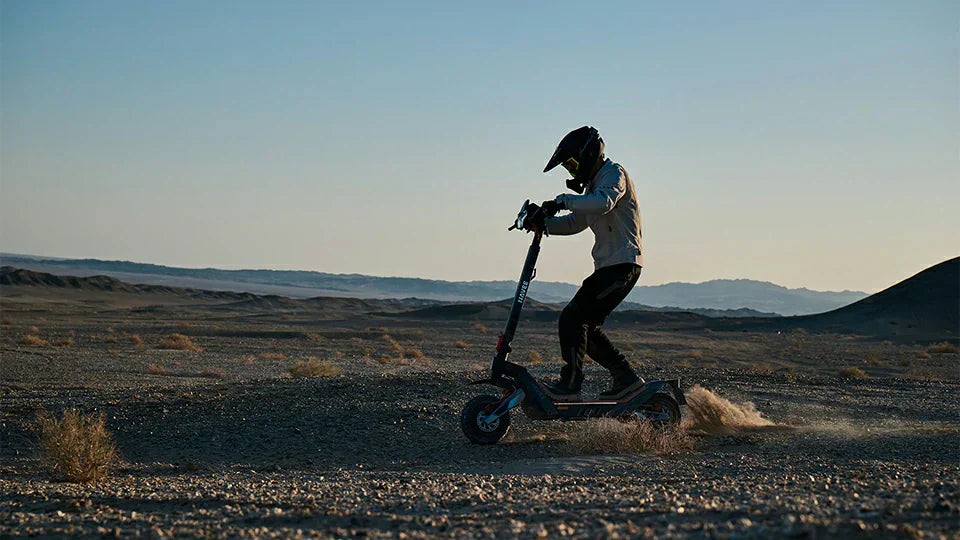
If your commute includes rough roads, gravel paths, or unpaved shortcuts, the NT5 Ultra X handles mixed terrain without sacrificing commuter practicality.
Best for: Commuters who ride on a mix of paved and unpaved surfaces, or those who want extra range and power for longer commutes. For riders who want even more off-road capability, the NAVEE UT Series takes all-terrain performance to the next level with supercar-inspired design and premium suspension.
The GT3 delivers reliable daily commuting performance at an accessible price point, with a strong range and comfortable ride quality.
Best for: Budget-conscious commuters riding 3–10 miles each way who want a solid, no-fuss daily rider without premium pricing.
| Your Commute | Recommended Model | Why |
|---|---|---|
| Under 5 miles, mostly flat roads | GT3 | Affordable, solid range, comfortable ride |
| 5–15 miles, city streets | ST3 Pro | Best range-to-weight ratio, premium safety |
| 10+ miles, mixed terrain | NT5 Ultra X | All-terrain capability, longest range |
| Includes public transit | GT3 | Foldable, lighter than premium models |
| Includes hills or steep inclines | ST3 Pro or NT5 Ultra X | Strong motor, advanced suspension |

Riding in daily commuter traffic requires more caution than recreational riding. Follow these tips to stay safe:
Not sure where you can legally ride your scooter? Sidewalk laws vary widely across U.S. cities. Check our guide to find out the rules in your area: Can You Ride an Electric Scooter on the Sidewalk?
A: Modern commuter scooters typically offer 15–50 miles per charge depending on the model, riding mode, rider weight, and terrain. For daily commuting, choose a model with at least 1.5x your round-trip distance for a comfortable battery margin.
A: For commutes under 15 miles, an electric scooter can save thousands of dollars per year compared to driving. There is no fuel cost, no parking fees, minimal maintenance, and no insurance requirement in most states. The average cost per charge is less than $0.10.
A: Most quality commuter scooters have IPX4 to IPX5 water resistance ratings, which protect against light to moderate rain. Heavy rain or standing water should be avoided, as it can reduce traction and damage electrical components. Always dry your scooter after riding in wet conditions.
A: Charging time varies by model and battery size. The NAVEE GT3 takes approximately 6 hours for a full charge, while the ST3 Pro takes approximately 7–8 hours. Some models support fast charging for shorter top-up times.
The right commuter electric scooter can transform your daily routine — cutting costs, saving time, and making your ride to work something you actually enjoy. Whether you need a budget-friendly daily rider like the GT3, a premium all-rounder like the ST3 Pro, or a powerhouse built for longer mixed-terrain commutes like the NT5 Ultra X, the best choice depends on your distance, terrain, and lifestyle.
Ready to upgrade your commute? Browse the full NAVEE electric scooter lineup to compare models, specs, and pricing — and find the scooter that fits the way you ride.
Share:
Electric Scooters for Kids: What Parents Should Know
Off-Road Scooter Buyer’s Guide: Tires & Suspension