


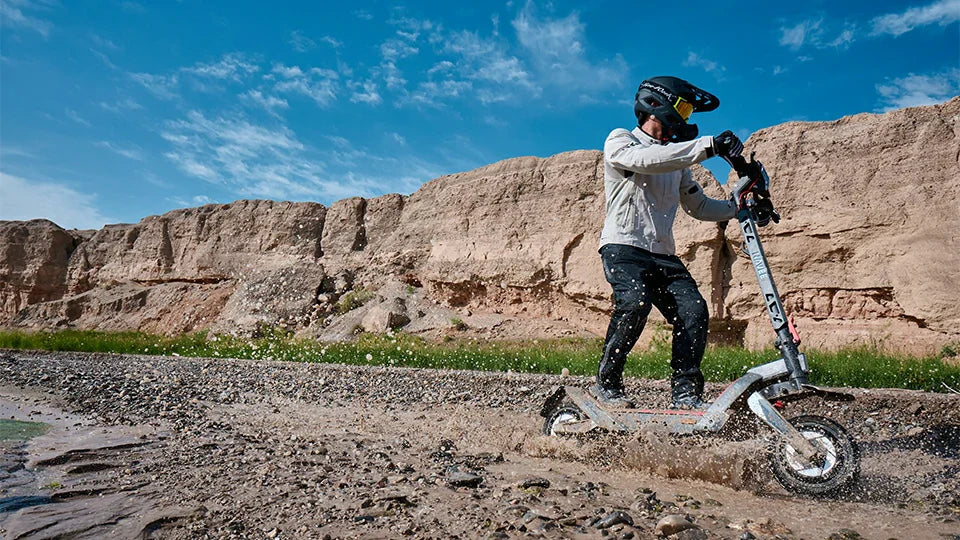
Are electric scooters waterproof? Not really. Most electric scooters are water-resistant, not waterproof.
Electric scooters are not designed to be submerged in water. However, modern scooters with an IP rating of IPX4 or IPX5 are engineered to withstand rain, splashes, and wet pavement. Understanding the limits of your scooter’s water resistance is necessary to prevent battery damage.
This guide explains IP ratings, the risks of riding through puddles, and the necessary maintenance steps to perform after a wet ride.
The Difference: Waterproof vs. Water-Resistant
It is important to understand the technical difference between "waterproof" and "water-resistant."
Waterproof Defined
"Waterproof" indicates that a device can be submerged in water for a specific time without liquid entering the casing. Very few waterproof electric scooter meet this standard.
Water-Resistant Defined
"Water-Resistant" means the device has seals and gaskets to repel water intrusion. It can withstand splashes and rain, but it cannot withstand submersion or high-pressure water.
For most riders, electric scooters are water-resistant. They function in rain but are not designed for floods or deep water.
Warranty Coverage
Most electric mobility manufacturers do not cover water damage under warranty. Even if a scooter is labeled "water-resistant," damage caused by riding in deep water or washing with a hose is typically excluded. Riders must manage this risk by understanding their vehicle's limits.

Decoding IP Ratings: How to Check Your Scooter
You can determine a scooter's water resistance by checking its IP Rating. This code is usually found in the user manual or on the manufacturer's website.
IP stands for Ingress Protection. It consists of two numbers (e.g., IP55).
-
The first number indicates protection against solids (dust).
-
The second number indicates protection against liquids (water).
What the Numbers Mean
When checking Are Electric Scooters Waterproof, focus on the second number.
-
IPX4: Protected from splashing water from any direction.
-
Application: Suitable for light rain and wet ground. This is common for entry-level scooters.
-
IPX5: Protected from low-pressure water jets from any direction.
-
Application: Suitable for moderate to heavy rain. Models like the Navee ST3 Pro use this rating for better weather protection.
-
IPX7: Protected from temporary immersion.
-
Application: Rare in commuter scooters.
Choosing the Right Rating
-
Recreational Riders: An IPX4 rating is sufficient for occasional use in dry climates.
-
Daily Commuters: If you ride to work regardless of weather, choose a scooter with an IPX5 rating at least. This provides better protection against sustained rain.
Are Electric Scooters Waterproof in Deep Puddles?
Riding in rain is different from riding through standing water. Rain falls on the scooter, but puddles splash water up into the chassis.
The Risk of Deck Submersion
Most electric scooters store the battery pack and electronic controller inside the deck (the platform you stand on).
When a rider enters a deep puddle, the deck may become submerged. The pressure of the water, combined with the vibration of the moving vehicle, can force liquid past the seals. If water enters the battery compartment, it can corrode the battery cells or short-circuit the Battery Management System (BMS).
The "See the Bottom" Rule
Follow this rule to determine if a puddle is safe:
-
Safe: If you can see the asphalt through the water, it is shallow enough to pass through slowly.
-
Unsafe: If the water is murky or you cannot see the road surface, ride around it. Deep water can hide potholes or flood the deck.

Post-Ride Care: Preventing Water Damage
Water damage can occur after the ride is over if the scooter is stored improperly. Follow this electric scooter maintenance routine.
Drain Standing Water
Before folding the scooter:
-
Use the kickstand to keep the scooter upright for a few minutes.
-
Tilt the scooter slightly to allow water to drain away from the deck and crevices.
Dry the Components
Use a dry cloth to wipe the scooter. Prioritize these areas:
-
The Display: Electronic screens are sensitive to moisture.
-
Controls: Wipe the throttle and brake levers.
-
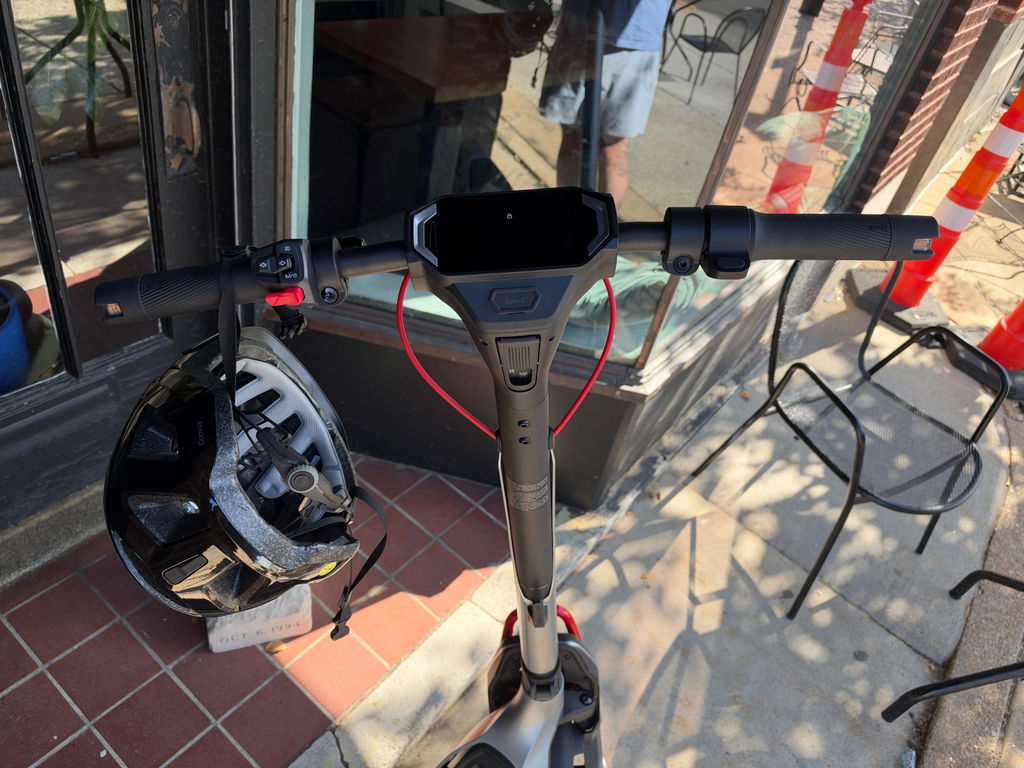
Charging Port: Open the cover to check for moisture. Wipe the area dry.
Do Not Charge Immediately
Never plug a charger into a wet scooter. Moisture inside the charging port can cause a short circuit. Wait at least one hour after a wet ride before charging. This allows residual moisture to evaporate.
Troubleshooting Suspected Water Damage
If the scooter malfunctions after a wet ride, follow these steps.
Immediate Steps
-
Power Off: Turn the scooter off immediately.
-
Dry Environment: Move the scooter to a dry, room-temperature area.
-
Avoid Heat: Do not use hair dryers or heaters. High heat can damage rubber seals and battery components.
-
Wait: Allow the scooter to dry for 24 to 48 hours.
Contacting Support
If the scooter displays error codes or fails to power on after drying, You can contact Navee support team. Inform the technician that the issue occurred after riding in rain. Accurate information helps diagnose the problem efficiently.

FAQs
Q1:Can I wash an electric scooter with a hose?
A: No. High-pressure water can penetrate seals that are designed only for rain. Clean the scooter with a damp cloth instead.
Q2: Can I ride an electric scooter in snow?
A: Snow is frozen water, so IP ratings apply. However, road salt is corrosive. Salt can damage wiring and metal parts. If you ride in winter, wipe the scooter down immediately to remove salt residue.
Recommended Reading: Cold weather affects more than just the road. Learn how to protect your battery and stay safe in our guide: Riding an Electric Scooter in Winter: What You Need to Know.
Q3: Does the IP rating change over time?
A: Yes. Seals and gaskets can wear out over time due to vibration and age. An older scooter may have reduced water resistance compared to a new one. Regular inspection of seals is recommended.

Conclusion
Are Electric Scooters Waterproof? No, but quality models are water-resistant.
Commuting in rain is possible with the right equipment and technique. Choose a scooter with an IPX5 rating for daily commuting, avoid deep puddles, and perform post-ride drying to ensure longevity.
Ready for the Ultimate All-Weather Ride?
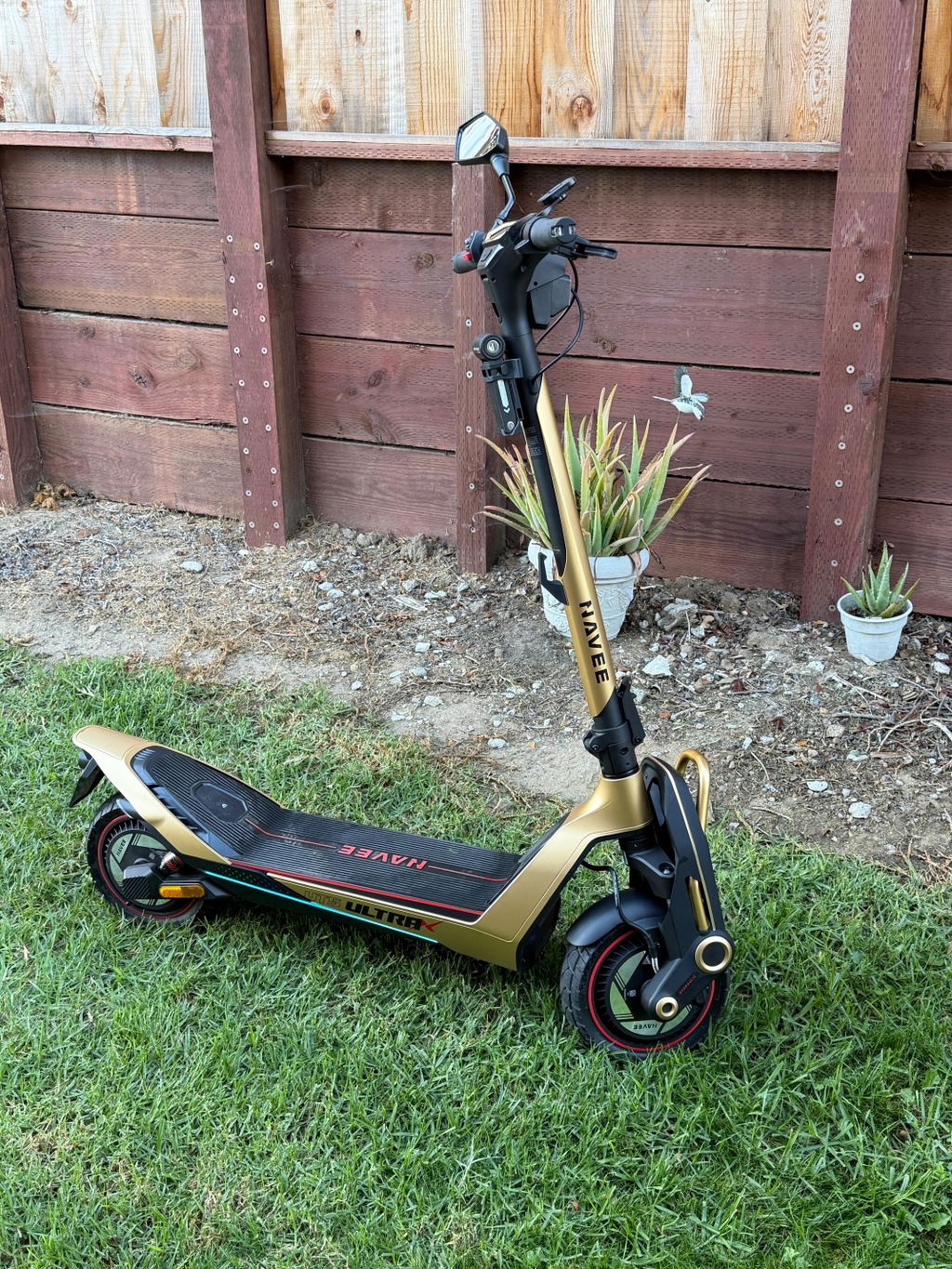
Don't let wet conditions limit your adventure. Meet the NAVEE UT5 Ultra X, the all-terrain electric scooter engineered for the bold.
With a superior IPX6 water resistance rating, the UT5 Ultra X offers advanced protection against high-pressure water and rugged elements, giving you the confidence to conquer trails and commutes alike—rain or shine.
Compare All Navee Electric Scooters!
Share:
5 Essential Tips for Maximizing Your E-Scooter Range: The Expert Guide
NAVEE Blazes a Trail at CES 2026: Unveiling All-Scenario Smart Mobility Ecosystem