


To keep your electric scooter tires in top condition and prevent frustrating flats, you need to follow a simple three-step ritual: maintain optimal tire pressure (typically 45–52 PSI) with a weekly digital gauge check, perform a 30-second visual sweep for embedded road debris, and never ride on soft or under-inflated tires. Taking these quick, proactive steps directly protects your expensive internal hub motor from rim damage, ensures cornering safety, and can instantly reclaim up to 10% to 15% of your real-world battery range.
Let’s be honest—getting a flat tire halfway to an important morning meeting or watching your battery indicator plummet because of unnecessary rolling friction is an absolute day-ruiner. Your tires are the only physical point of contact between your scooter frame and the rough asphalt. At NAVEE, we intentionally engineer our micro-mobility lineups with advanced, low-upkeep solutions like NavRollergy long-range compounds and self-healing tubeless tires to take the stress out of your commute. However, even the smartest engineering requires a little routine love.
Skip the dry, overly technical textbook lectures. Here is your ultimate, fluff-free playbook to mastering electric scooter tire maintenance, diagnosing hidden wheel issues, and maximizing the performance of your ride.
Why Proactive Tire Maintenance Is Critical For Your Electric Scooter?
Overcoming Riding Resistance To Maximize Real-World Battery Range
If your scooter feels a bit sluggish or your battery indicator drops faster than usual, your tires might be under-inflated. When your tire pressure falls below recommended levels, the rubber sags and the contact patch spreads wide against the ground. This creates a massive surge in rolling friction, meaning your motor must work twice as hard to sustain your speed.
In e-mobility physics, your true travel range isn't just a product of battery capacity; it is heavily governed by riding resistance:
Electric Scooter Range = Energy Supply (Battery Capacity) × Vehicle Efficiency × (1 / Riding Resistance)
By prioritizing regular scooter tire pressure checks, you minimize rolling resistance and ensure you get every mile of performance out of long-range models.
Shifting From Reactive Repair Costs To Strategic Asset Protection
Waiting until a tire goes completely flat before giving it any attention is a recipe for expensive repairs. When you ride on under-inflated tires, the protective cushion of compressed air disappears. The next time you hit a sharp pothole or drop off a concrete curb, the force of the impact slams the rubber directly into your aluminum wheel rim.
This impact can easily warp the rim, but the real danger is to your drivetrain. Because premium electric scooters integrate powerful motors directly inside the wheel hub, a hard rim strike can fracture internal components or sever delicate electrical wiring. Consistent care acts as a protective shield, preventing a small oversight from turning into a costly hub motor replacement.
Enhancing Rider Safety, Cornering Stability, And All-Weather Grip
At the end of the day, your safety is what matters most. When a tire is properly inflated, it maintains its engineered, rounded profile. This ensures predictable handling and stable contact when leaning into a turn. If your tires are soft or worn down, they will deform during cornering, causing the scooter to fish-tail unexpectedly.
Furthermore, maintaining deep tread grooves is essential for riding safely on wet surfaces, autumn leaves, or painted crosswalk lines. Clean tread channels water away from the contact patch, allowing advanced electronic safety features—like the built-in Traction Control System (TCS) —to accurately monitor grip and prevent dangerous slip-outs on slick streets.

Evaluating Electric Scooter Tire Types: Pros, Cons, And Real-World Vehicle Mapping
Not all electric scooter tires are built the same way. Every tire design represents a specific balance between ride comfort, upkeep requirements, and flat protection. Understanding what is currently mounted on your scooter is the first step toward master-level care. For a deeper look into how different designs stack up, explore our comprehensive electric scooters tires comparison guide to find your perfect match.
| Tire Type | Core Advantage | Core Drawback | Primary Vehicle Application |
|---|---|---|---|
| Pneumatic (With Tube) | Plush ride, highly compliant shock absorption, lightweight. | High risk of flats and "snake-bite" pinch flats. | Entry-level fleets (e.g., NAVEE V-Series) |
| Solid Rubber | 100% flat-proof, zero maintenance or pressure checks. | Harsh vibrations, heavy wheel weight, poor wet traction. | Low-cost shared rentals, low-speed models |
| Honeycomb | No flat risks, integrated air pockets add medium damping. | Stiffer than pneumatic tires, increased operating road noise. | Budget commuter models on the mass market |
| Standard Tubeless | Superior tracking stability, excellent heat dissipation. | Higher hardware cost; harder for manual DIY bead seating. | Premium city commuters (e.g., NAVEE GT/ST Series) |
| Self-Healing Tubeless | Polymer jelly layer seals punctures up to 4mm dynamically. | Higher replacement cost; slightly increased wheel weight. | Flagship city commuters (e.g., NAVEE ST3 PRO) |
| All-Terrain Tubeless | Deep block treads, high anti-slip grip, reinforced sidewalls. | Increased rolling resistance and noise on smooth tarmac. | Off-road and trail explorers (e.g., NAVEE XT5/NT5 Series) |
Advanced Engineering: NAVEE Long-Range Innovations And Tire Maintenance
To build a scooter that stands up to the demands of everyday life, NAVEE designs integrated wheel and powertrain systems that work together to maximize efficiency.
NavUltrange Integration: Optimizing Energy Usage Beyond Battery Capacity
Many brands try to increase range simply by packing a larger, heavier battery pack under the deck, which adds unnecessary weight and hurts agility. NAVEE addresses this through our proprietary NavUltrange ecosystem.
This system optimizes overall vehicle efficiency to deliver a comprehensive range boost of over 20%. This performance increase is driven by two balanced engineering pillars: the NavMaxEffex high-efficiency motor system (providing a 10% boost) and NavRollergy long-range tire technology (contributing an additional 10% boost). Together, they prove that maximizing range is about how efficiently the scooter uses power, not just how much power it stores.
NavRollergy Compound Science: Nanosilica Solutions For Low-Hysteresis Loss
Standard scooter tires rely heavily on traditional carbon black compounds. At a microscopic level, carbon black molecules cause rubber molecules to aggregate into tight clusters. As the tire rotates and flexes against the pavement, these clusters create high internal friction and significant hysteresis energy loss.
NAVEE's NavRollergy technology replaces these carbon clusters with an advanced, evenly dispersed network of white carbon black (nanosilica) bonded with a specialized chemical coupling agent. This chemical breakthrough allows the tire rubber to flex smoothly, keeping operating temperatures low and drastically reducing energy loss without sacrificing cornering grip or braking safety. In our communications, these are designated as "long-range tires" rather than "low rolling resistance tires" to accurately reflect their practical everyday benefits.
Advanced Profiling: Tread Pattern Innovations For City And Trail Stability
Beyond the internal rubber compound, the external tread shape of NavRollergy tires features a custom city-to-trail hybrid layout. The specialized groove depth and spacing are carefully optimized to clear water quickly on wet pavement without allowing the individual tread blocks to deform under hard braking. This advanced profile uses a new curved deformation small tread block design that cuts down energy loss from heat generation. It improves tire rebound resilience by 15% in laboratory testing, giving you precise road feedback and long-lasting tread life.
Practical Diagnostic Protocols For Routine Scooter Tire Maintenance
You don't need to be a professional mechanic to master your wheels. By integrating these straightforward diagnostic routines into your schedule, you can easily prevent flat scooter tires and keep your machine running smoothly.
The 30-Second Pre-Ride Wheel Checklist
Before hitting the road, perform this quick 30-second inspection to catch issues before they turn into road emergencies:
- The Squeeze Test: Give both tires a firm squeeze with your hand. If they feel soft or have visible give, check them with a gauge immediately.
- Visual Puncture Sweep: Spin each wheel slowly, looking for embedded glass, wire shards, or nails in the tread.
- Valve Cap Confirmation: Ensure your valve caps are screwed on tight to protect the inner core from dirt and slow debris leaks.
Step-By-Step Pressure Verification And Weight-Based PSI Tuning
To maintain optimal performance, check your tire pressure once a week using a dedicated digital pressure gauge. Standard analog bike pumps can let out too much air when you disconnect them from small scooter valves.
- Step 1: Rotate the wheel until the valve stem is easily accessible and clear away any road dust.
- Step 2: Thread a flexible, screw-on valve extender onto the stem if it’s recessed tight against your hub motor casing.
- Step 3: Press your digital gauge firmly onto the valve to get an accurate cold pressure reading.
- Step 4: Adjust your pressure based on your weight using the chart below:
| Rider Weight Range | Front Tire Pressure (PSI) | Rear Tire Pressure (PSI) | Primary Ride Benefit |
|---|---|---|---|
| Under 150 lbs (68 kg) | 42–44 PSI | 45 PSI | Maximum comfort and shock absorption |
| 150–200 lbs (68–91 kg) | 45–47 PSI | 48–50 PSI | Balanced rolling resistance and range |
| Over 200 lbs (91 kg) | 48–50 PSI | 50–52 PSI | Prevents rim bottoming and protects motor |
The Soapy Water Spray Test For Pinpointing Hidden Micro-Leaks
If you find that your tire deflates over a couple of days but you can't see any obvious punctures, you likely have a hidden slow leak. Here is how to find it in less than five minutes:
- Step 1: Fill a clean spray bottle with a mixture of 1 part liquid dish soap and 4 parts water.
- Step 2: Inflate the tire to its maximum recommended pressure, then spray the soapy water across the entire tread surface.
- Step 3: Spray the solution directly around the base of the valve stem and along the rim edge where the tire bead seats.
- Step 4: Watch closely for a few moments. If you see a cluster of white bubbles growing and foaming, you have found your leak path—whether it’s a loose valve core or a tiny puncture.
The Rim-Seating Ratchet Strap Trick For Difficult DIY Tubeless Changes
If you ever need to learn how to fix a flat scooter tire by installing a fresh tubeless tire yourself, you might run into a frustrating hurdle: when you try to pump up the new tire, the loose sidewalls let air escape out the sides faster than your pump can push it in. Here is an easy workaround:
- Step 2: Wrap a standard luggage or cargo ratchet strap around the exact center circumference of the tire tread.
- Step 3: Tighten the ratchet strap firmly. This squeezes the center tread down, mechanically forcing the internal rubber sidewalls outward into the rim channels.
- Step 4: Connect your air source and inflate. The compressed sidewalls will form a temporary seal, allowing the air pressure to quickly snap the tire bead into its permanent, locked position against the rim. Once it snaps into place, remove the strap and inflate to your final target PSI.

Seasonal Wheel Preservation And Safe Storage Techniques
Preventing Dry Rot And Carcass Cracking During Winter Storage
If you store your electric scooter away during the cold winter months, the rubber compounds can dry out, develop small cracks, and lose structural integrity over time.
- Clean and Prep: Give the tires a thorough clean to remove any corrosive road salt or grime.
- Set the Pressure: Drop the tire pressure down to roughly 50% of its normal operating capacity during storage.
- Control the Environment: Store the scooter indoors in a climate-controlled space, away from direct sunlight or ozone-producing appliances like electric space heaters.
- Elevate the Wheels: Use the kickstand or place the scooter on an elevated block to keep both tires completely off the cold floor. This prevents the rubber from developing permanent flat spots from sitting in one position.
Safe Wheel Cleaning Practices Around Sensitive Drivetrain Hub Motors
Keeping your wheels clean helps maintain good traction, but a careless cleaning routine can lead to expensive electronic issues. Never use a high-pressure garden hose or a pressure washer on your electric scooter. The intense pressure can easily force water past the waterproof IPX5 gaskets protecting your hub motor electronics. Instead, spray a mild, rubber-safe degreaser directly onto a damp microfiber cloth and wipe down the tread face manually to clear away grease and mud safely.
FAQs About E-Scooter Wheel Care
1. How Often Should I Pump Up My Electric Scooter Tires?
A: You should check your tire pressure and add air at least once a week. Because electric scooter tires hold a much smaller volume of air than car or bicycle tires, even a tiny, normal microscopic loss of air will cause a significant drop in PSI. Checking weekly keeps your range high and protects your rims from unexpected pothole damage.
2. Can I Replace Pneumatic Tires With Flat-Free Solid Rubber Tires?
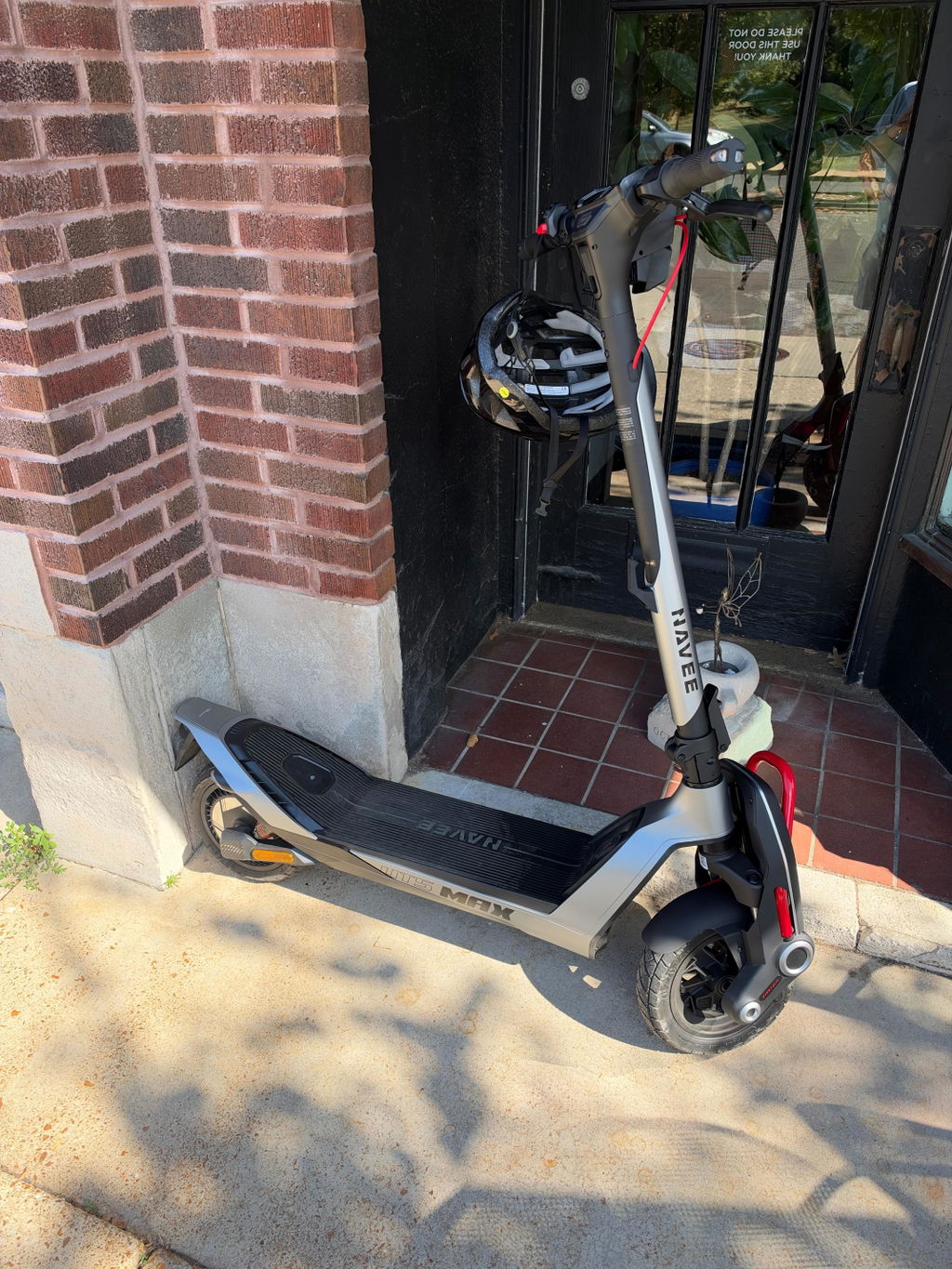
A: While switching to solid rubber tires will eliminate the worry of flats, it comes with notable trade-offs. Solid tires significantly increase ride harshness, deliver terrible shock absorption, pass heavy vibrations up into your scooter's frame, and offer much weaker traction on wet roads. A better solution is choosing a scooter designed with Self-Healing Tubeless Tires and a quality suspension system—like the NAVEE UT5 Max—to get flat-resistant peace of mind without sacrificing a smooth ride.
3. What Causes An Electric Scooter Tire To Lose Air Overnight?
A: If your tire deflates completely overnight, it is usually caused by one of three issues: a loose or faulty internal valve core needle, a micro-debris puncture embedded deep inside the tread rubber, or an imperfect seal where the tire bead meets the metal rim channel on a tubeless setup. You can easily pinpoint the exact cause using the soapy water test.
4. How Do I Know When My Scooter Tires Need To Be Fully Replaced?
A: Your tires need to be replaced immediately if the central tread grooves are worn down flush with the surface of the tire, if you notice any bubbling or bulging along the sidewalls, or if you can see the internal nylon reinforcement cords showing through the outer rubber layer.
Elevate Your Urban Journey: Discover The Engineered Durability Of NAVEE Scooters
At the end of the day, the easiest way to avoid tire maintenance headaches is to ride a scooter that is engineered to prevent them from happening in the first place. NAVEE's lineup is built from the ground up to solve the real-world frustrations that urban riders face every day.
- For the Daily Commuter: Explore the NAVEE GT series and ST series (including the agile ST3 Pro and feature-rich GT3 Max). These models feature advanced tubeless tire designs paired with our smart Traction Control System (TCS) to ensure a stable, confident ride through busy city traffic.
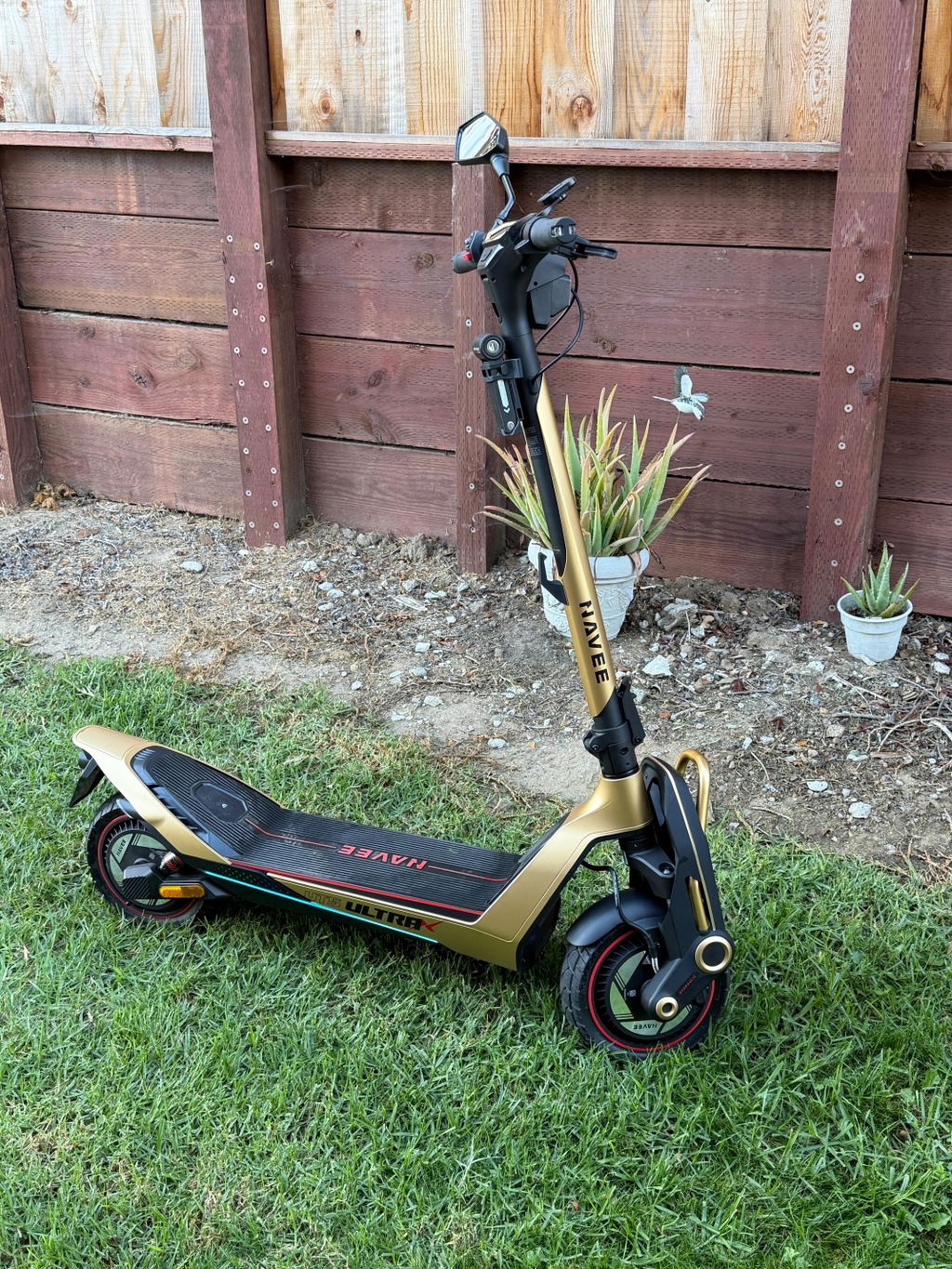
- For Long-Distance and Rugged Rides: Take a look at the NAVEE UT5 Ultra X, or the off-road ready XT5 Pro. Equipped with NavRollergy long-range compound technology and self-healing tire protection, these models let you focus on enjoying the journey instead of worrying about flats.
- For the Little Adventurers: Don't forget the kids! The NAVEE K100 series brings the same commitment to safety, build quality, and reliable wheel design to younger riders, making family outings worry-free.
Ready to experience a smarter, lower-maintenance way to travel? Visit our official site to compare models, find specialized parts, and discover why NAVEE is redefining urban mobility.
Share:
How to Choose the Most Compact Electric Scooter for Travel
E-Scooter Battery Fire Risks and How to Stay Safe